REVIEW · CABO SAN LUCAS
Educational Sunrise Whale Watching with Photos Included
Book on Viator →Operated by Proyecto Cetáceo · Bookable on Viator
Early light over Cabo changes everything. This 3-hour sunrise cruise in Cabo San Lucas lets you watch the Baja sky go from dark to gold while you listen for whales with a hydrophone. If you like nature with a side of real-world learning, this one hits.
I love the way the morning starts quietly: you head out of the Cabo San Lucas marina, try for a calmer spot, and set up the hydrophone before the full hunt begins. I also love the pacing—about 2 hours cruising the open ocean to look for whales, so it feels like more than a quick pass-by.
One consideration: you’re on a 6:00 am start, and the trip needs good weather. If the ocean or sky is acting up, you’ll need flexibility (and you may lose that perfect sunrise window).
In This Review
- Key things that make this sunrise whale watch worth it
- Why a 6:00 am Whale Watch Changes Everything in Cabo San Lucas
- Hydrophone Listening in a Quiet Bay: The Educational Part
- Two Hours Offshore: How the Whale Hunt Actually Plays Out
- The Return Route: Lovers Beach, Sea Lion Area, and the Arch
- Who This Tour Fits Best (And Who Might Want Something Else)
- Getting There and What You’ll Actually Use on the Day
- Planning for Weather and Being Ready to Pivot
- Value in Real Terms: What You Get for Your Morning
- Should You Book This Sunrise Whale Watching Cruise?
- FAQ
- What time does the sunrise whale watching tour start?
- How long is the tour?
- Where do I meet for the tour?
- Is the tour offered in English?
- How many people are on the tour?
- Is a mobile ticket provided?
- Does the tour allow service animals?
- What is the cancellation policy?
Key things that make this sunrise whale watch worth it
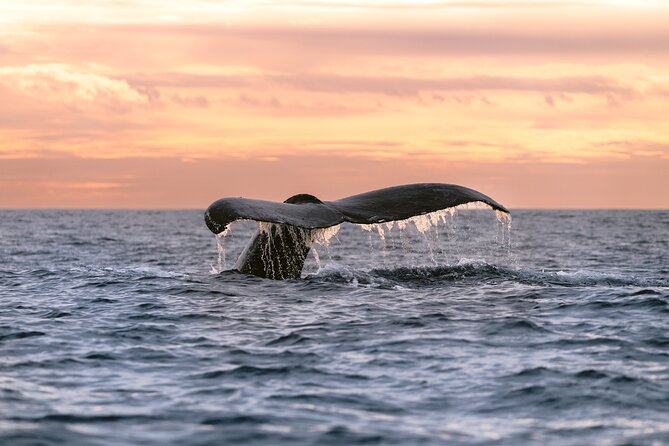
- Hydrophone listening first, so you start with sound, not just scanning the water
- About 2 hours offshore focused on whale watching, not nonstop rushing
- Angelica-led explanations that help you understand what you’re seeing
- Small group size (max 10 people) for a more manageable, attentive experience
- Built-in photo stops on the way back at Lovers Beach, the sea lion area, and the famous arch
Why a 6:00 am Whale Watch Changes Everything in Cabo San Lucas
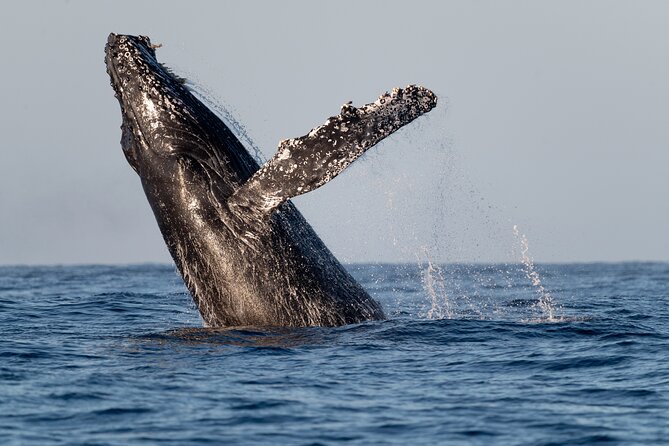
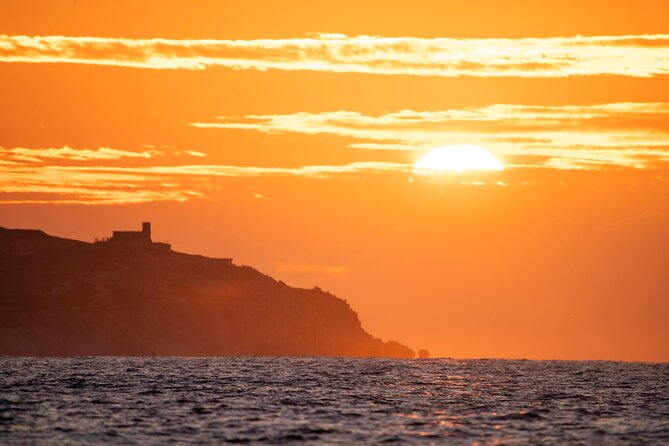
Cabo at dawn is a different world. Daytime is full of motion—boats, people, sun glare. Early morning is quieter, softer, and usually easier to focus. That’s the whole point here: you get out at 6:00 am to catch the sunrise over the horizon from the sea and enjoy the shifting colors of Baja California Sur’s sky.
What makes this tour feel educational is that the experience isn’t only visual. You don’t spend the first stretch just staring at water. You start by listening. In a calm bay, sound carries differently. Even if you’re not a whale expert, it helps you pay attention in a new way—what you can hear becomes part of how you interpret what you’re seeing later.
I also like that the schedule gives the sky time to do its thing. You’re not just arriving at sunrise and rushing away. The timing is built around that moment when the horizon lights up and wildlife activity often feels more noticeable because the sea looks darker and the contrast helps you spot movement.
You can also read our reviews of more whale watching tours in Cabo San Lucas
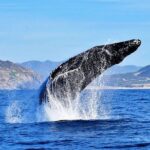

Hydrophone Listening in a Quiet Bay: The Educational Part
The standout idea on this cruise is simple: find a quieter area, set the hydrophone, and listen. The plan is to leave the marina, then look for a spot where the bay feels calm enough for audio to stand out. That silence—when you’re not surrounded by loud engines and chatter—lets you slow down and actually tune in.
After you set the hydrophone, you’re not just waiting. This part acts like a warm-up lesson. Guides explain what you’re hearing and what it might mean, and the whole boat has a shared focus. In the feedback, people specifically mention whale songs being captivating, which tells me this isn’t a gimmick. It’s a real part of the experience.
If you’re the type who likes to understand what’s going on rather than just collecting photos, this is where the tour earns its keep. You’re learning the basics of how whales communicate and how listening can guide your search. Then, when you begin actively looking for whales, you’re doing it with context.
Practical tip: since this is an early, out-on-the-water start, I’d plan to arrive a little before Proyecto Cetáceo opens the day’s rhythm. When you’re half-asleep, the hydrophone moment is still the one you’ll remember most.
Two Hours Offshore: How the Whale Hunt Actually Plays Out
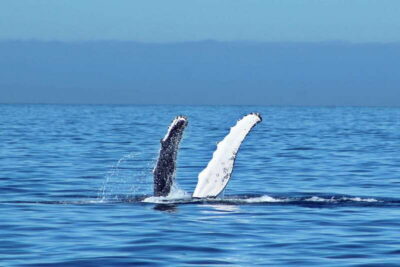
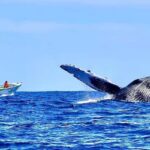
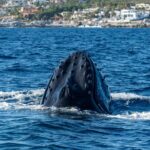
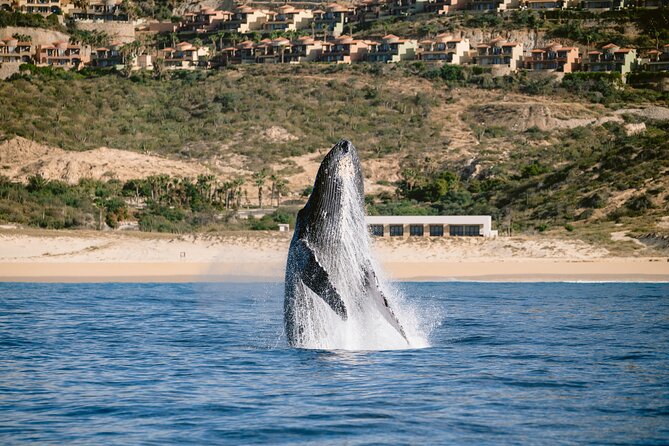
Once the hydrophone phase ends, the cruise shifts into active whale watching. You’ll spend about 2 hours in the open ocean looking for whales and watching them. That timeframe matters. You’re not limited to a tiny window when visibility is perfect and then sent back.
Open-ocean searching is part science, part seamanship, and part luck. The captain’s job is to position the boat so people can see clearly and so the team can keep tracking what’s around. In the reviews, the captain is praised for getting the group to see whales, which suggests they’re paying attention and making real adjustments rather than staying put.
What I like most about this section is that the tour’s structure supports patience. The morning isn’t a single long scramble. You get an initial quiet listening session, then a defined stretch of searching and watching. That balance helps you enjoy the ocean itself, even if spotting takes some time.
Also, you can’t ignore the weather factor. This kind of whale watching is best when conditions cooperate. The operator specifically notes the experience requires good weather, which usually means visibility and comfort are part of their decision-making from the start. If conditions are rough, your best-case scenario becomes simpler: you’d rather have a safe ride than a frantic chase.
The Return Route: Lovers Beach, Sea Lion Area, and the Arch
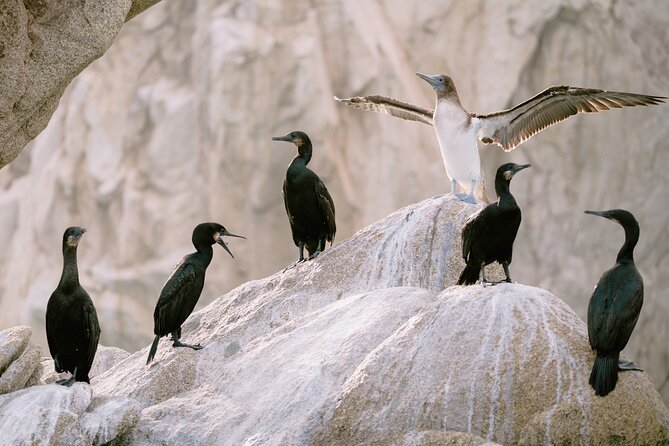
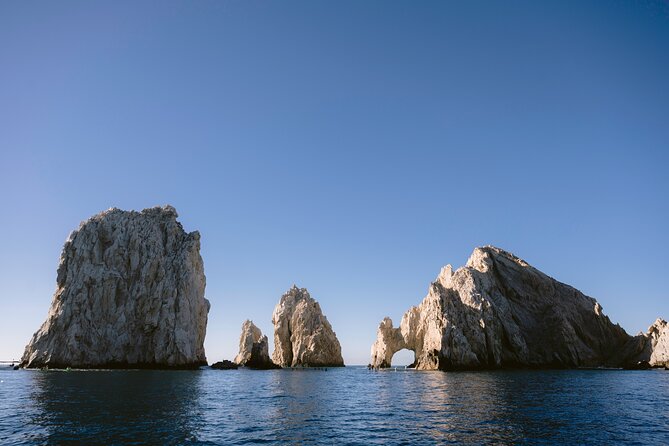
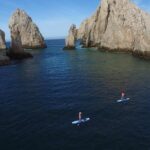
On the way back, you get a more classic Cabo photo-and-wildlife loop. The cruise visits Lovers Beach, a sea lion colony area, and the famous arch, so you can get a picture.
This isn’t random sightseeing tacked on at the end. It gives your morning a satisfying arc: sunrise and whale focus out on the water, then land landmarks and wildlife on the way back. If the whale action happens early, you still have plenty to do. If sightings take longer, you’re not left with nothing once the whale hunt finishes.
A few notes to help you enjoy these stops:
- At Lovers Beach, the timing and framing from the water can be a fun twist. Even if you’ve seen Cabo landmarks before, dawn light can make the coastline look different.
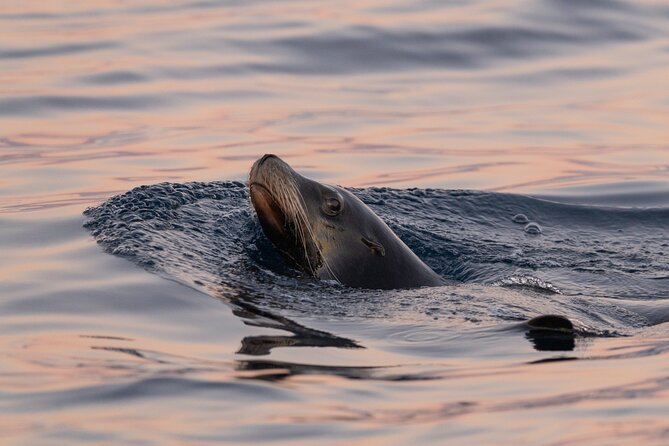
- The sea lion colony stop is about close-up wildlife viewing. You’re seeing coastal animals in their normal routine, not staged performance.
- The arch photo stop is the obvious payoff for many people. From the sea, it’s a recognizable shape, and the tour specifically includes it as a photo moment.
Bring patience, too. Getting a great shot near a famous landmark depends on timing and boat positioning. In a small group, that usually works better because the crew can manage where everyone stands.
Who This Tour Fits Best (And Who Might Want Something Else)
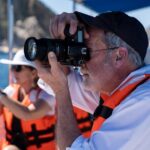
This sunrise whale watch is a strong match for people who want nature with context. The hydrophone setup and the explanations led by the guide—mentioned by name in feedback as Angelica—make it feel like an educational outing, not just sightseeing.
It’s also a good fit if you prefer smaller group dynamics. The tour caps the group at 10 people, which often means you spend less time craning your neck around strangers and more time focusing on the water. With fewer voices and fewer people, the quiet bay listening moment has a better chance of feeling peaceful.
It may be less ideal if you hate early starts. The 6:00 am start is not gentle. You’ll likely feel the early wake-up more than you expect, especially if you’re visiting from farther away or you’ve had a late night.
And while most people can participate, the tour runs on open water and depends on good weather. If you’re highly sensitive to motion or rougher conditions, you might want to consider other activities that are less weather-dependent. (You’ll also be able to plan around weather changes better if you keep your morning flexible.)
You can also read our reviews of more photography tours in Cabo San Lucas

Getting There and What You’ll Actually Use on the Day
The meeting point is Proyecto Cetáceo, Blvd. Paseo de la Marina, Centro, 23410 Cabo San Lucas, B.C.S., Mexico. The tour ends back at the meeting point, so you don’t need to think about a separate return plan.
You’ll use a mobile ticket, which is convenient if you’re traveling light or already relying on your phone for reservations. The experience is offered in English, which matters for understanding what the guide is explaining during the hydrophone and whale-watching portions.
The tour also notes two helpful practical details:
- Service animals are allowed
- It’s near public transportation
That combination makes it easier to build the morning into a larger Cabo plan. You can get on the water without needing a complicated taxi shuffle.
Planning for Weather and Being Ready to Pivot
This experience requires good weather. The operator states that if it’s canceled due to poor weather, you’ll either be offered a different date or a full refund. That’s the right kind of flexibility for a sunrise-based plan, because weather is the boss here—not marketing.
Even when weather looks fine, early mornings can bring changing conditions. If you want the best chance at a smooth ride and good visibility, dress with the idea that sea air can feel cooler than you expect, then adjust once you’re actually out there. Also, give yourself enough time to be at the marina area early, so you’re not rushing in when the crew is setting up.
A small but important mindset shift: think of whale watching as a shared search. You’re going out prepared for learning and for a long look, not for a guaranteed moment on a specific schedule. The tour’s structure—quiet hydrophone start, then focused time offshore, then photo stops—helps you stay positive whatever the ocean decides to do.
Value in Real Terms: What You Get for Your Morning
I can’t judge pricing here because no cost is listed in the details I received. But I can judge value by what’s included and how the time is used.
Here’s what you get that’s hard to fake on a short cruise:
- A hydrophone listening phase in a calmer bay, which changes how you experience whales
- About 2 hours of active whale watching in open ocean waters, not a rushed sightseeing loop
- A guide who leads explanations during the experience (with Angelica specifically mentioned in feedback)
- Stops on the return route that match the setting: Lovers Beach, a sea lion colony, and the arch for photos
- A small group limit of 10 people, which typically improves sightlines and the overall vibe
You’re paying for time on the water and a structured morning that blends education with actual watching. That’s a better use of your vacation hours than many cruises that only go through the motions.
And if you end up needing to change plans, the tour offers free cancellation up to 24 hours in advance for a full refund, which helps you commit without feeling trapped by weather.
Should You Book This Sunrise Whale Watching Cruise?
Book it if you want a Cabo morning that feels thoughtful. If you like learning, the hydrophone start and the guide explanations led by Angelica are the heart of the experience. If you want whales, the plan gives you real time—about 2 hours offshore—instead of a token search.
Skip it if your priority is sleeping in or you hate early starts. The 6:00 am launch is non-negotiable. Also consider skipping or choosing a different day if you know you’re very sensitive to motion or weather changes, since the experience depends on good conditions.
If you want a practical rule: pick this when you can give the morning your full attention. The quiet bay listening moment and the sunrise colors aren’t the kind of thing you can rush and still feel the magic.
FAQ
What time does the sunrise whale watching tour start?
The tour starts at 6:00 am.
How long is the tour?
The duration is about 3 hours.
Where do I meet for the tour?
You meet at Proyecto Cetáceo, Blvd. Paseo de la Marina, Centro, 23410 Cabo San Lucas, B.C.S., Mexico.
Is the tour offered in English?
Yes, the tour is offered in English.
How many people are on the tour?
The experience has a maximum of 10 travelers (10 people).
Is a mobile ticket provided?
Yes, the tour includes a mobile ticket.
Does the tour allow service animals?
Yes, service animals are allowed.
What is the cancellation policy?
You can cancel for a full refund up to 24 hours in advance. If you cancel less than 24 hours before the start time, the amount paid isn’t refunded. The tour also requires good weather, and if it’s canceled due to poor weather you’ll be offered a different date or a full refund.