REVIEW · CABO SAN LUCAS
Humpback Whales in Cabo San Lucas
Book on Viator →Operated by Cabo Trek · Bookable on Viator
Cabo’s humpback season hits different on the water. I love how you start with Cabo icons like El Arco and the sea lions, then shift into serious whale time with a marine biologist onboard. One thing to consider: even on a good day, the boat can feel a bit bumpy while the captain hunts for whales, so pick a calmer departure if you’re prone to motion sickness.
This tour is built for real wildlife watching, not just cruising past things. You’re in a small group (10–12 people max per boat), which usually means you hear the guide clearly and can stay focused when whales surface close by.
If you want the smoothest ride, I’d aim for the early departure times. The company specifically suggests 08:00 or 11:00 for calmer oceans, and that lines up with what many families and older folks say they’re happiest with.
In This Review
- Key Things I’d Put on Your Radar
- Humpback Whales Off Cabo: Why This Trip Feels Worth It
- From Cabo Beach to El Arco: The Start That Gets Your Bearings Fast
- The Real Game Plan: How Weather Determines Where You Sail
- Marine Biologist Onboard: What You’ll Actually Learn
- Whale Watching Time: What You Can Expect to See
- How Small-Group Size Changes the Experience
- Price and Value: Is $99 Fair for 2.5 Hours?
- Tips to Stay Comfortable (and Get the Best Chance at Good Views)
- Who Should Book This Cabo Humpback Tour
- Should You Book This Whale-Watching Tour?
- FAQ
- How long is the whale watching tour?
- What does the tour cost?
- What time should I choose for calmer seas?
- Is bottled water included?
- Who guides the tour?
- Is hotel pickup included?
- How many people are on the boat?
- What happens if the tour is canceled due to weather?
Key Things I’d Put on Your Radar
- Small-group boats (10–12 people) so the marine biologist can actually talk with you
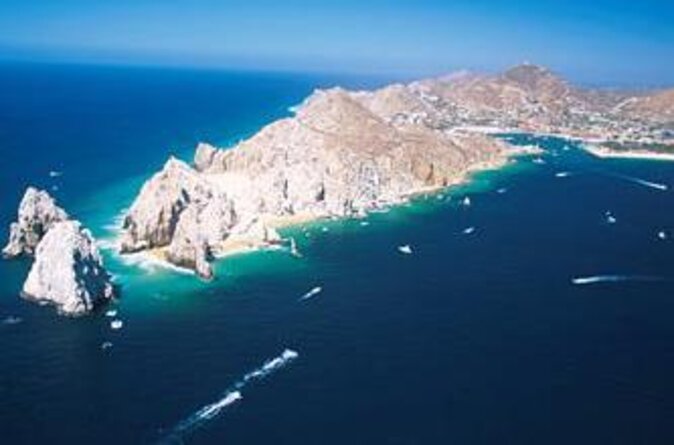
- Arch + sea lion colony first, then you head out depending on weather
- Morning departures (08:00 or 11:00) for calmer seas and easier viewing
- Marine biologist onboard with practical, whale-focused explanations, not generic facts
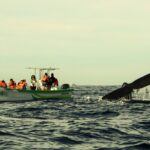
- Humpbacks can be very close, including breaches and belly-slaps when conditions line up
Humpback Whales Off Cabo: Why This Trip Feels Worth It
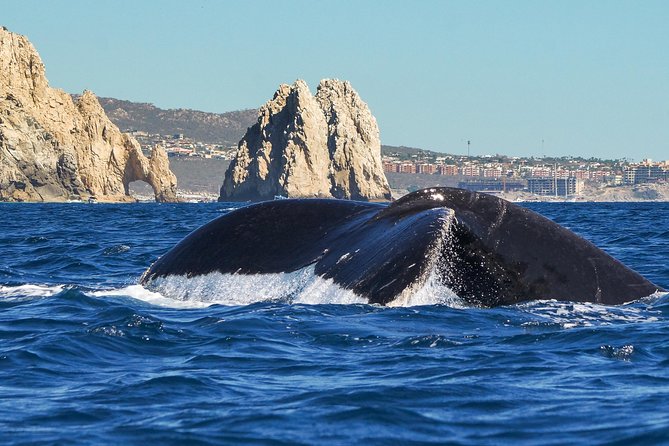
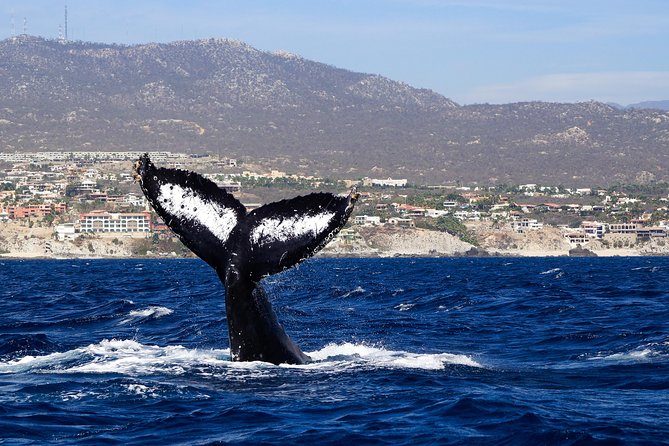
Cabo San Lucas is famous for the postcard spots. But humpbacks are the main event here, and they’re not a quiet show. When the water is clear and the whales are active, you get those dramatic moments: surface breathing, tail flicks, and sometimes full breaches.
The big value of this tour is that it pairs whale time with real education. You’re not just staring at water and hoping for a spout. With a marine biologist onboard, you get context for what you’re seeing—how humpbacks behave, why they surface when they do, and what whale activity can mean about the animals’ mood or feeding.
Also, the crew is clearly tuned to finding the best viewing windows. On multiple outings, captains have kept boats at a respectful distance while still placing you close enough for memorable, up-close interactions. That balance matters because whale watching is more than proximity—it’s about staying safe and letting the animals control the encounter.
You can also read our reviews of more whale watching tours in Cabo San Lucas
From Cabo Beach to El Arco: The Start That Gets Your Bearings Fast
Your day doesn’t start deep in the open ocean. You check in at the Cabo Trek office at CaboTrekHotel Tesoro, then you move to the boats and begin with a quick hit of Cabo scenery.
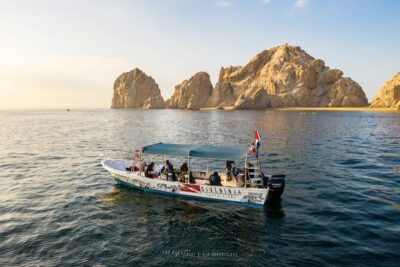
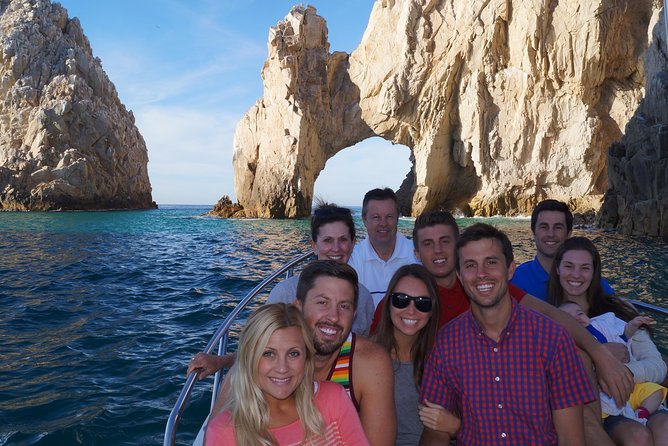
First you’ll spend time around Cabo San Lucas Beach and then you head to the Arch (El Arco de Cabo San Lucas). Even if you’ve seen photos before, this is still one of those spots where it helps to see it from the water. The arch has that dramatic shape, and from a boat you also get different angles than you would on land.
Then there’s the sea lion colony area. This part sets the tone: you’re already seeing wildlife before you even start the whale search. It also helps you settle into the rhythm of watching—scan for movement, watch for surfacing patterns, and get used to what “active” animals look like from the waterline.
A practical note: this early section is also a good time to decide how you’ll handle sun and motion. If you’re sensitive to rocking, you’ll notice it more before the whale hunt gets busy. The calmer morning departures are your best bet here.
The Real Game Plan: How Weather Determines Where You Sail
After the early Cabo sights, the captain and guide decide where to head next. The tour goes either toward the Pacific side or the Sea of Cortez, and they make that call based on weather conditions and what’s likely to work best for you that day.
This flexibility is one of the underrated reasons whale watching tours can succeed or fail. The ocean doesn’t care about schedules. Wind, swell, and visibility shape where wildlife comes closest. By adjusting the route, you’re more likely to spend time watching whales instead of burning the clock.
It also explains why you’ll sometimes feel the boat change pace. When you’re searching for whales, there are moments of steady travel—and moments where the captain moves faster to get you to the next sighting. One rider noted a bumpy ride and unexpected acceleration. That’s the trade-off for trying to stay near wildlife as it moves around.
If you want a gentler ride, I’d follow the company’s own suggestion: choose the early 08:00 or 11:00 departure. It’s a smart choice for kids, older adults, and anyone who tends to get seasick.
Marine Biologist Onboard: What You’ll Actually Learn
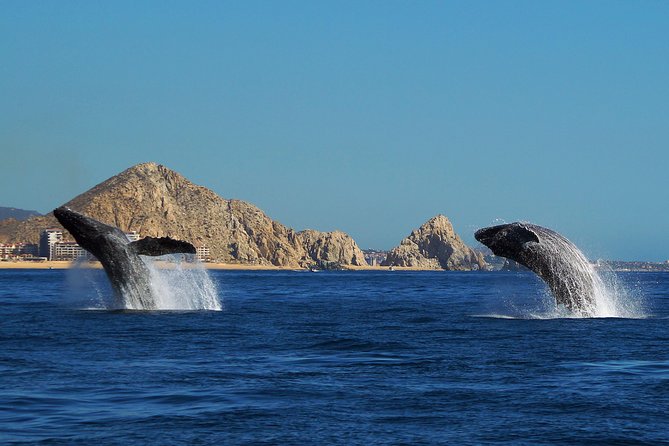
The marine biologist onboard is the heart of why this tour goes beyond a standard whale-spotting outing. You’ll get explanations tied to the animals you’re seeing, and that changes the entire experience.
Here’s what that looks like in real life terms. When humpbacks surface, you’re not just noticing the splash—you’re connecting it to behavior. When you hear talk about whale calls or activity patterns, it makes you more alert to what’s happening beneath the surface. And when whales show up near the boat, the guide can point out what to watch for next.
In the field, you also gain better “interpretation skills.” People who’ve gone whale watching in other places often say the same thing: it’s not that the whales are different, it’s that the story makes you notice more. With this tour, you’re more likely to clock details like:
- breach timing and how animals move between surfacing events
- how a calf may interact with its mother
- why whales can stay near your boat area for long stretches when conditions allow
I’ve also seen that clarity matter for families. Two young daughters being able to follow along with the guide’s excitement and explanations is a big deal—you’re turning a sighting into an experience your kids can remember, not just a quick view.
Whale Watching Time: What You Can Expect to See
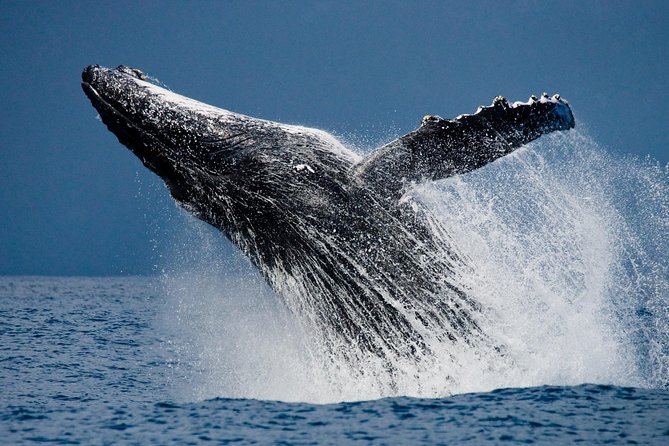
The whale portion is the main act and it lasts long enough to feel like you’re not rushing. On a well-run trip, you spend about 2.5 hours on the water total, and a big chunk of that is spent actively finding and watching marine life.
What shows up can vary day to day, but the common highlights include:
- Humpback whales, sometimes with calves
- Sea lions
- Dolphins
- and occasionally other species like marlin mentioned in sightings
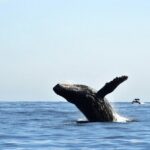
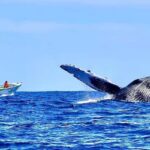
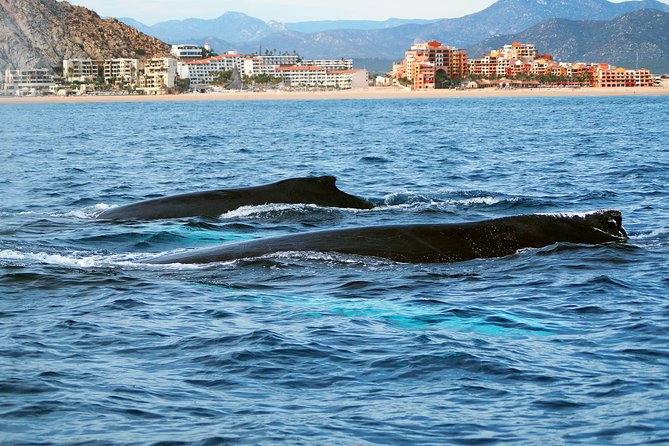
When conditions line up, you can get high-energy whale behavior: belly slaps, tail flicks, and breaches. On some outings, whales have even approached closer than you’d expect while still staying within a safe viewing setup. One standout account described a mama humpback and calf spending extended time near the boat, including swimming underneath for long periods. Clear water can make that extra special because you can sometimes see motion below the surface while leaning over the edge.
Just remember: whales decide. The crew can work hard to find them, but you can’t force nature. That’s why choosing the right time of day (calmer mornings) and going on a reputable small-boat operation is the best way to stack the odds.




How Small-Group Size Changes the Experience
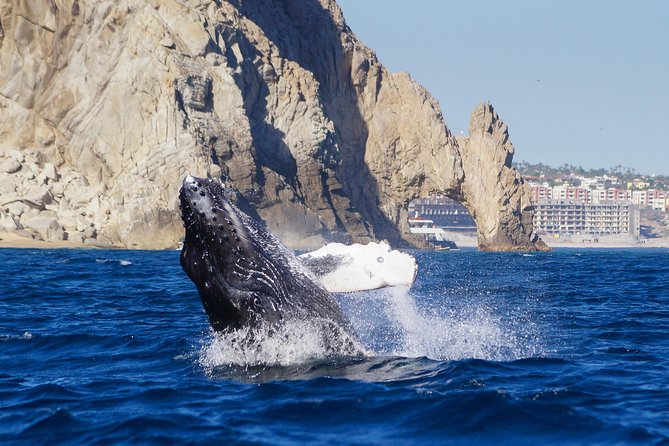
At 10–12 passengers per boat, this tour doesn’t feel like a crowded commute. That matters for three reasons:
1) The guide’s explanations are easier to hear. If you’ve ever been on a bus-boat setup where you can’t hear anything, you’ll appreciate the difference here.
2) Everyone stays engaged. With fewer people, the group tends to watch more actively and ask questions.
3) You can take in details. When a whale surfaces, people aren’t half distracted by the crowd.
It also seems to help the captain make smart viewing decisions. Some sightings have included the crew finding spots away from other boats, which can reduce crowd pressure and improve your chance of extended, calm viewing.
If you like nature tours where you’re not just a passenger among many, this format is a strong fit.
Price and Value: Is $99 Fair for 2.5 Hours?
At $99 per person for an approximately 2.5-hour outing, the real question is what you’re buying: time, education, and viewing odds.
You’re not just getting “a boat ride.” This includes:
- a marine biologist onboard
- marine park fees
- bottled water
- the core whale-watching session with early Cabo sights
In whale watching, the biggest cost drivers are time spent on the water and the skill required to locate animals while maintaining safe distances. Small-group operations cost more than large boats, but you gain something you can feel immediately: better sound, better attention, and less crowd noise when whales do show.
Is it a budget tour? No. But at this price point, it’s fair if you want:
- structured learning, not only spotting
- the Arch and sea lions as part of the same trip
- a better chance of staying with wildlife once they’re active
If you’re traveling as a group and considering a private option, note that private pricing is listed as per group up to 8 people. That can be a good value if you’re splitting costs with friends or family.
Tips to Stay Comfortable (and Get the Best Chance at Good Views)
A whale watching tour is part wildlife viewing and part ocean weather. You can’t control the sea, but you can prepare.
Based on what’s been shared from real trips:
- If you’re prone to seasickness, take motion-sickness medicine like Dramamine and choose the early departures (08:00 or 11:00).
- Expect start-and-stop movement at times while the captain works the sightings.
- Bring patience. Even when you see whales, the best viewing often comes from staying calm and watching for the next surfacing pattern.
Also, plan your day around a longer morning or late morning. The tour is best when you’re not rushing to dinner plans right after. You’ll want a little buffer to enjoy the full experience without stress.
Photos can be a highlight too. Souvenir photo packages are available to purchase, and if you’re hoping for high-quality shots of breaches or close-up behavior, that’s one way to bring home crisp memories.
Who Should Book This Cabo Humpback Tour
This is a strong choice if:
- you want humpback whales plus Cabo landmarks in the same outing
- you value a real marine-biologist guide who explains what you’re seeing
- you prefer smaller groups (10–12) rather than a crowded boat
- you’re traveling with kids or older adults and want a calmer option in the morning
It’s especially good for families because the onboard education helps younger travelers stay interested. It’s also a good fit for couples who have done other whale watches but want a more “guided science story” instead of just random sightings.
If you strongly dislike boat movement, you’ll want to be picky about departure time and consider seasickness prevention. One rider described a bumpy ride and acceleration that wasn’t comfortable. The good news is the company points you toward calmer times, and morning departures are your safer bet.
Should You Book This Whale-Watching Tour?
Yes—if your priority is real whale time with an expert onboard, this tour makes sense.
Book it when:
- you can do an early 08:00 or 11:00 departure for smoother seas
- you want Cabo’s Arch and sea lions without adding a separate tour
- you like learning what you’re seeing, not just hoping for a breach
Hold off or plan carefully if:
- you’re very sensitive to motion and can’t handle small-boat movement
- you need a fully smooth ride with zero start-and-stop behavior
If you choose your timing well and show up ready to watch, this is the kind of Cabo outing that can end up being the highlight of your trip.
FAQ
How long is the whale watching tour?
It runs for about 2 hours 30 minutes.
What does the tour cost?
The price is $99.00 per person. Note that private tour pricing is displayed per group for up to 8 people.
What time should I choose for calmer seas?
The company suggests the early morning tours at 08:00 or 11:00 for calmer oceans.
Is bottled water included?
Yes, bottled water is included.
Who guides the tour?
A marine biologist guide is onboard, and the tour is offered in English. A multi-lingual guide may operate as well.
Is hotel pickup included?
No. Hotel pickup and drop-off are not included.
How many people are on the boat?
A maximum of 10–12 people per boat, and the overall activity has a maximum of 16 travelers.
What happens if the tour is canceled due to weather?
This experience requires good weather. If canceled due to poor weather, you’ll be offered a different date or a full refund.