REVIEW · CABO SAN LUCAS
SMALL GROUP Whale Watch | Cabo San Lucas | Biologist | FREE Pics
Book on Viator →Operated by Whale Watch Cabo · Bookable on Viator
Whales up close, with a biologist onboard. I love the small-group cap (12 people) and the FREE photos taken during the ride, so you’re not stuck scrambling for shots. The one real drawback to keep in mind: this outing depends on good weather, and some people get seasick on choppier days.
You’ll cruise past El Arco de Cabo San Lucas for quick landmark photos, then slide by Lovers Beach and Pelican Rock inside the protected Bay of Cabo San Lucas. From there, you head out into the Sea of Cortez or the Pacific to look for humpbacks plus dolphins, sea lions, and turtles—and in season (Dec 15–Apr 15) you get a whale sightings guarantee if the whales don’t show.
In This Review
- Key highlights to look for on this Cabo whale watch
- The Cabo whale season window (and why it matters for your plans)
- Meeting at Whale Watch CaboPlaza Bonita and what the small group really changes
- El Arco, Lovers Beach, and Pelican Rock: the first 30 minutes aren’t filler
- What the crew does once you leave the bay: where the whale search becomes real
- Hydrophone moments and why that whale “sound” is such a big deal
- Free onboard photos: the value you’ll feel after the tour
- Responsible whale watching without the “herding” feeling
- Seasickness, boat comfort, and what to do before you board
- Price and value: why $109 can make sense here
- Who this whale watch is best for (and who might want a different day)
- Should you book Whale Watch Cabo for your Cabo trip?
- FAQ
- How long is the whale watch tour?
- What is the group size limit?
- Is the tour in English?
- Are photos included?
- Do I need to bring water?
- What is the whale sightings guarantee?
- What happens if weather is bad?
Key highlights to look for on this Cabo whale watch
- Max 12 travelers means you can actually talk with the biologist and see what’s going on.
- Marine biologist-led narration focuses on behavior and conservation, not just spotting.
- FREE photos taken on board are a big value add, especially when whales surface fast.
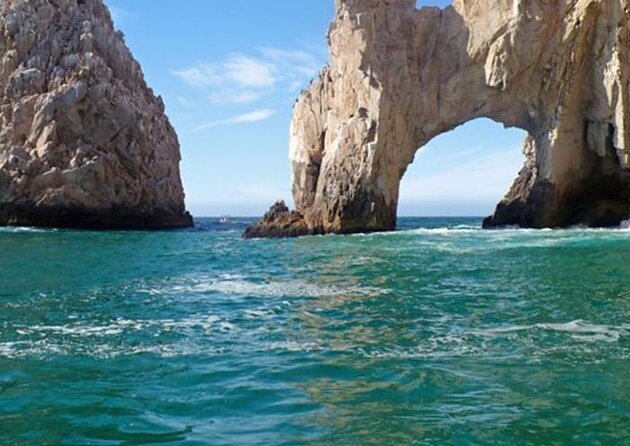
- El Arco stop for boat photos gives you classic Cabo views before the whale search.
- Hydrophone listening for humpbacks can let you hear songs when conditions allow.
- Whale Sightings Guarantee (Dec 15–Apr 15) includes a free second tour if you don’t see whales.
The Cabo whale season window (and why it matters for your plans)
This is a whale-focused tour in Cabo San Lucas, timed for humpback whale season. The whale sightings guarantee runs December 15th to April 15th, which is when the chances of consistent sightings are highest and the guarantee is active.
That date range is more than fine print. It affects how the crew plans routes and how much effort they can put into chasing the best whale activity without rushing you through. If your trip lines up with that winter window, you’re choosing the strongest version of this experience.
If you’re traveling outside those dates, you may still see whales, but you’re taking away the guarantee piece. I’d treat the guarantee season as your “best odds” window and plan your Cabo ocean day accordingly.
You can also read our reviews of more whale watching tours in Cabo San Lucas
Meeting at Whale Watch CaboPlaza Bonita and what the small group really changes
You meet at Whale Watch CaboPlaza Bonita, Blvd. Paseo de la Marina 17, Centro, Marina, 23450 Cabo San Lucas, B.C.S., Mexico. The tour returns you back to the same meeting point, which keeps things simple after 2.5 hours on the water.
Two practical things you’ll feel right away with a maximum group size of 12. First, you’re not fighting for sightlines when someone spots a blow or a tail flick. Second, you can ask questions and get answers without waiting for a crowded Q&A.
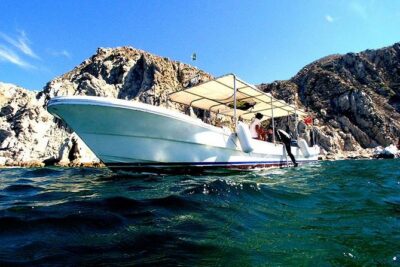
You’ll also get all sizes life jackets and there’s a restroom on board, which matters more than you think on a longer-than-average boat ride. One more small comfort: your ticket is mobile, and confirmation comes at booking.
El Arco, Lovers Beach, and Pelican Rock: the first 30 minutes aren’t filler
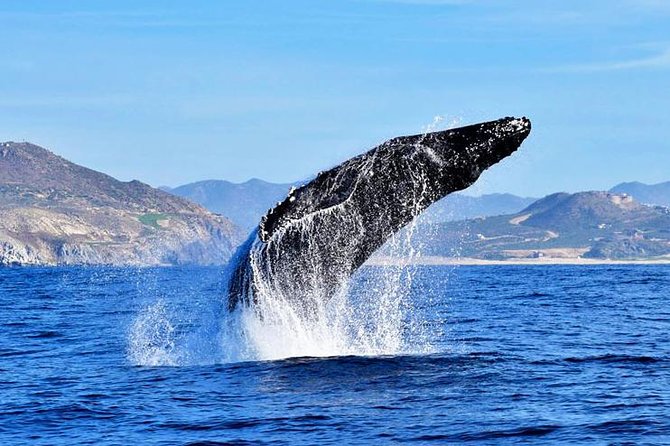
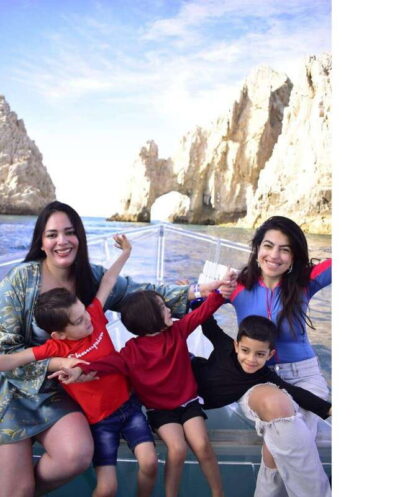
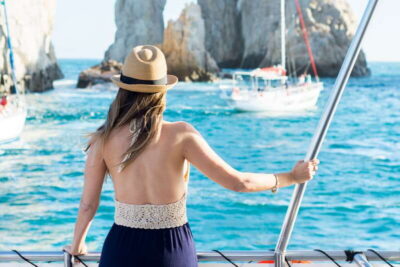
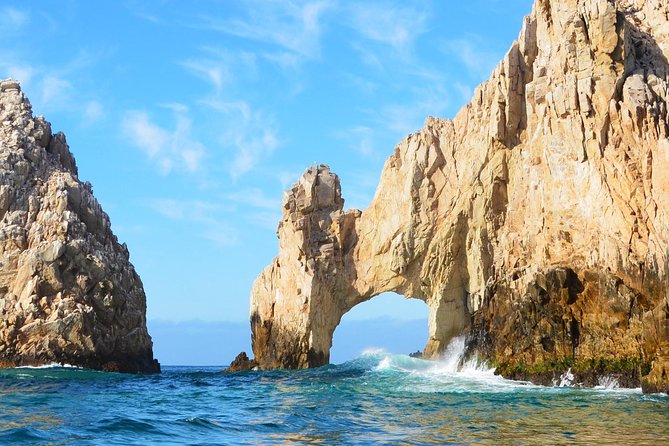
The tour starts with a classic Cabo postcard moment: a short stop by El Arco de Cabo San Lucas. You’ll have about 5 minutes for photos from the boat of the famous arch.
Then it keeps moving along the coastline. As you head out of the bay, you pass Lovers Beach, and you also see Pelican Rock, a small rock formation inside the marine protected area of the Bay of Cabo San Lucas.
Here’s why this matters for your experience. If whale spotting takes time (and sometimes it does), you don’t end up stuck on a boat with nothing to do. You get scenery that’s unique to this area, plus context for where the crew is operating.
The only “watch-out” is that these early moments are brief by design. If you’re picky about photos, arrive with your phone/camera ready and your shots planned before you reach the arch.
What the crew does once you leave the bay: where the whale search becomes real
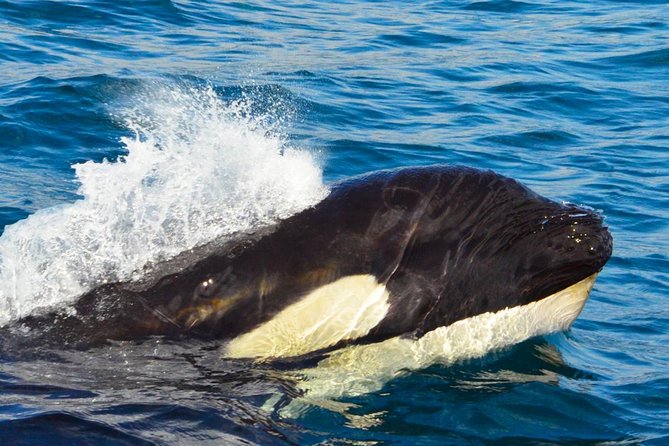
After the bay tour, you head out either into the Sea of Cortez or the Pacific Ocean to look for whales. The open-water search is where the tour turns from “nice coastal cruise” into “marine life mission.”
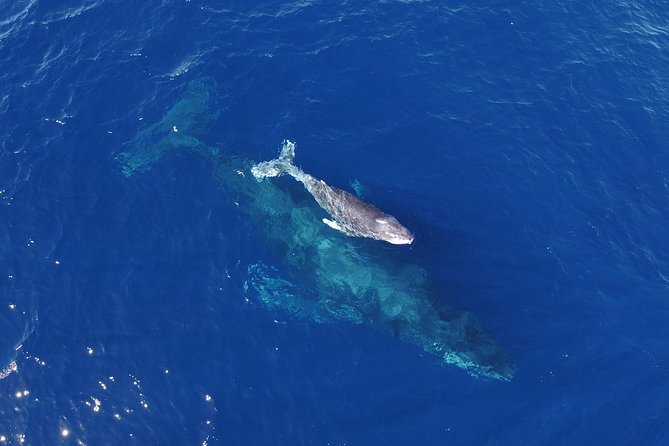
Most commonly, you’re looking for humpback whales. Depending on what shows up, you might also encounter other whales and marine life like gray whales, dolphins, sea lions, and sea turtles.
The tour style is also built around responsible distance. The crew aims to go farther from crowds to avoid disturbing the whales, which usually means you’re watching from angles that feel more natural—and often gives you calmer, longer observation time when the animals are active.
One practical takeaway: you should treat this as a search, not a one-beat guarantee. The tour’s design helps, but ocean conditions still call the shots.
Hydrophone moments and why that whale “sound” is such a big deal
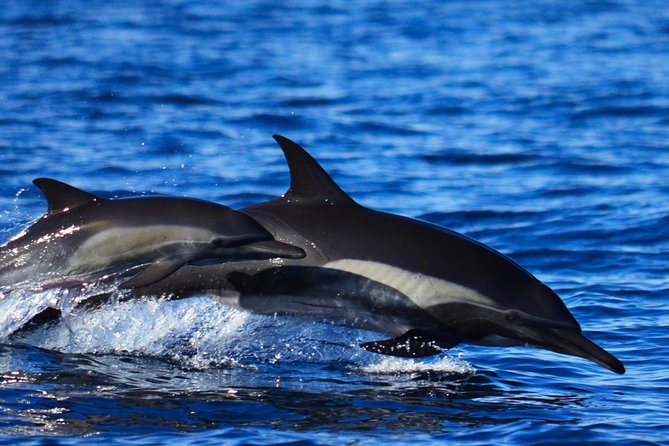
One of the coolest details here is the chance to hear humpback whales sing using a hydrophone, when conditions allow. A hydrophone is essentially a listening setup underwater, so you’re not just watching surface behavior—you’re getting another layer of what humpbacks do.
That added dimension turns whale watching into something more like wildlife “field work” than a simple sightseeing checklist. You’ll often understand better what you’re seeing once you can connect behavior to communication.
This is also where the biologist-led format helps. The guide can connect songs, movement patterns, and common whale behaviors to what you’re seeing on the water in real time.
If you’re the type who loves questions—like why whales surface when they do, or what different behaviors might mean—this is the moment you’ll appreciate most.



Free onboard photos: the value you’ll feel after the tour
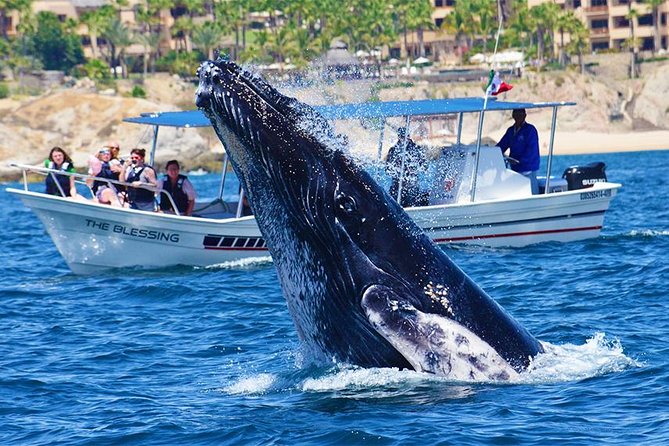
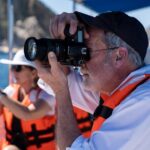
Here’s a value detail I’d never skip: your guide takes photos during the tour, and you get them for free. That’s a meaningful add-on at a $109 price point, because whale sightings don’t hold still.
In practical terms, it reduces the stress of being the person responsible for capturing everything. You can look instead of frame every surface moment through the viewfinder.
Also, the free photo promise makes it easier to “travel lighter” for your ocean day. You don’t need to pack every niche camera accessory. Just bring what you normally use and let the crew handle the quick, high-impact moments.
Some people specifically mention that the photos arrive after the tour and are high quality. Either way, you’ll still want to have your own camera ready for the classic shots—especially at El Arco earlier in the day.
Responsible whale watching without the “herding” feeling
This tour positions responsible whale viewing as a core part of the experience, not a side note. The crew goes the extra mile to find the whales while avoiding crowding, which helps protect the animals and keeps your viewing more relaxed.
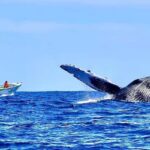
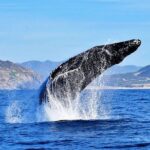
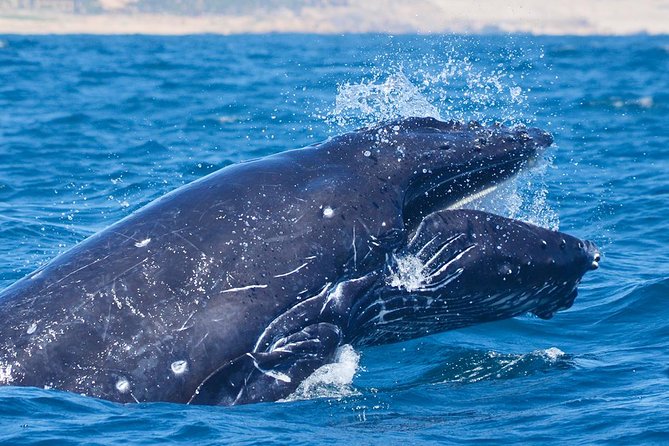
What you’ll likely notice: the boat isn’t hovering like it’s waiting for a show. Instead, it’s positioned to watch and listen for whale activity as it happens. When you’re not surrounded by too many boats, you tend to get longer looks at behavior like breaching, tail slaps, and close passes.
In the reviews you provided, guests repeatedly call out how the crew helped them see whales “up close” while still staying at a considerate distance. That balance is exactly what you want when you’re paying money to watch wild animals—not to interrupt them.
Seasickness, boat comfort, and what to do before you board
This experience requires good weather. That can mean you might get rescheduled if conditions aren’t right, and it also means the ride can feel choppier on less calm days.
If you’re prone to seasickness, plan early. A simple step is packing a seasickness strategy before you get on the boat, since comfort matters more when you’re out on open water.
Life jackets are provided in all sizes, and there’s a restroom on board. That helps a lot for families and anyone who doesn’t want to improvise during a trip that’s roughly 2 hours 30 minutes total.
One more comfort tip: bring layers. Cabo can feel warm when you’re standing in the sun, and cooler once the wind picks up on the ride.
Price and value: why $109 can make sense here
At $109 per person, this isn’t the cheapest thing you can do in Cabo. It also isn’t priced like a bare-bones boat ride.
The biggest value drivers are:
- Small-group format (max 12), which tends to improve both viewing and conversation.
- A marine biologist guide, which adds real interpretation to your sightings.
- FREE photos shot during the tour.
- Whale Sightings Guarantee (Dec 15–Apr 15): if you don’t see whales, you get a free second tour.
When you combine those elements, the price starts to feel more like “you’re paying for better odds and better understanding,” not just time on water.
Two details to note for budgeting. Bottled water is not included, since the operator avoids single-use plastic bottles, so bring your own or plan to buy one outside the tour. Also, transportation isn’t included, so factor that into your total cost.
Who this whale watch is best for (and who might want a different day)
This is a great fit if you want a real educational whale watch and you care about conservation-minded viewing. The biologist-led approach works especially well for:
- Couples who want something special that doesn’t feel like a tourist factory
- Families who can keep kids engaged with explanations and short viewing moments
- Whale fans who like hearing how behavior connects to what they see
It’s also a strong choice if you’re picky about photos. Free onboard photos plus smaller group size gives you better odds of getting memorable images.
The main mismatch would be if you’re trying to minimize time on the water in rough weather. Since it depends on good conditions, you might prefer another activity if you know you’re sensitive to motion or you’re traveling during a time of year with more unstable seas.
Should you book Whale Watch Cabo for your Cabo trip?
If your dates fall between Dec 15 and Apr 15, I’d strongly consider booking. You’re getting the whale sightings guarantee, a small-group format, and a biologist-led experience with a chance to hear humpback songs via hydrophone.
Even if you don’t land on the absolute “most dramatic” whale day, this tour’s structure helps you feel like the time is well spent: El Arco photos first, then protected-area sights, then a focused whale search that tries to stay away from crowds.
Book it if you want:
- Better odds (season + guarantee)
- Better context (marine biologist guidance)
- Less hassle (FREE photos during the tour)
If you’re someone who hates boat motion, you might still book—but go in with a plan for seasickness and flexibility for weather changes. For most people, though, this is one of the more thoughtful ways to do whale watching in Cabo without turning it into a chaotic crowd event.
FAQ
How long is the whale watch tour?
The tour is about 2 hours and 30 minutes total.
What is the group size limit?
The experience has a maximum of 12 travelers.
Is the tour in English?
Yes, the tour is offered in English.
Are photos included?
Yes. Your guide takes photos during the tour, and they are provided to you for free.
Do I need to bring water?
Bottled water is not included. The tour aims to avoid single-use plastic bottles, so bringing a reusable bottle is a good idea.
What is the whale sightings guarantee?
From December 15th to April 15th, there is a whale sightings guarantee. If you don’t see whales, you get a free second tour.
What happens if weather is bad?
This experience requires good weather. If it’s canceled due to poor weather, you’ll be offered a different date or a full refund.