REVIEW · SAN JOSE DEL CABO
Whale Watching in San Jose del Cabo
Book on GetYourGuide →Operated by Dip Expeditions · Bookable on GetYourGuide
Whales off San Jose del Cabo are a show. I love the respectful way the crew searches and approaches humpback whales, and I also like the calm, new-boat feel that makes the whole outing feel easy. One heads-up: this trip isn’t suitable if you’re prone to seasickness.
This is a focused, 2-hour adventure with a live guide and a small group limited to 8 people. You’ll head to the open ocean, get a briefing before you start looking, and then spend real time on the water watching behavior up close, while keeping distance so the animals can continue doing their thing.
In This Review
- Key highlights worth your attention
- Whale watching in San Jose del Cabo, minus the chaos
- Where you meet and what the first moments feel like
- The crew’s whale-spotting method (and why the distance matters)
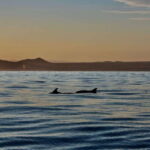
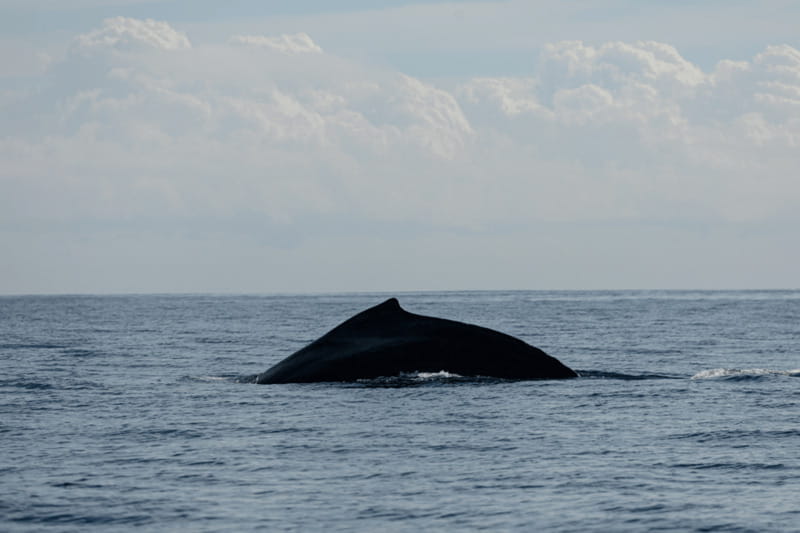
- What you’re likely to see: humpbacks in real action
- The Mar de Cortez experience: sightings, photos, and calm viewing
- Price and value: what $140 buys you in 2 hours
- Who should book, and who should skip it
- Rules that keep the whales safe (and keep your trip fun)
- Getting the most out of your 2-hour whale watching window
- Should you book this whale watching tour with Dip Expeditions?
- FAQ
- How long is the whale watching tour?
- What does the whale watching tour cost?
- Where is the meeting point?
- What’s included in the tour price?
- Is there a live tour guide, and what languages are offered?
- What is the group size?
- Is the tour wheelchair accessible?
- Who is the tour not suitable for?
- Can I cancel and do I have to pay immediately to reserve?
Key highlights worth your attention
- Small group (max 8) means you get a better view and less crowd noise
- Respect-first whale watching keeps distance and reduces stress for whales
- New boat ambiance makes the open-water ride feel comfortable and fresh
- Bilingual live guide (English/Spanish) helps you understand what you’re seeing
- Water and snacks included so you stay energized for the full 2 hours
- Humpback activity you can actually watch, including calves and mother behavior
Whale watching in San Jose del Cabo, minus the chaos
San Jose del Cabo sits on the edge of the Pacific side of Baja California Sur, and the waters out here are part of the Mar de Cortez experience most people come for. On a clear day, you get that classic open-ocean feeling: horizon views, seabird calls, and the sense that you’re heading somewhere real.
What I like most is that this isn’t a long, tiring day on the water. It’s a tight 2-hour outing. That matters because it keeps the experience focused on spotting and watching, instead of turning into a half-day “wait and see” situation.
You’ll also appreciate the small-group limit of just 8 participants. More space around you usually means better sight lines and fewer elbows during photo time. In other words, you spend your energy on whales, not on fighting for position.
And yes, you’re on a newer boat with a great on-board vibe. It’s the kind of comfort that helps you stay present. When people are relaxed, they notice more.
You can also read our reviews of more whale watching tours in San Jose Del Cabo

Where you meet and what the first moments feel like
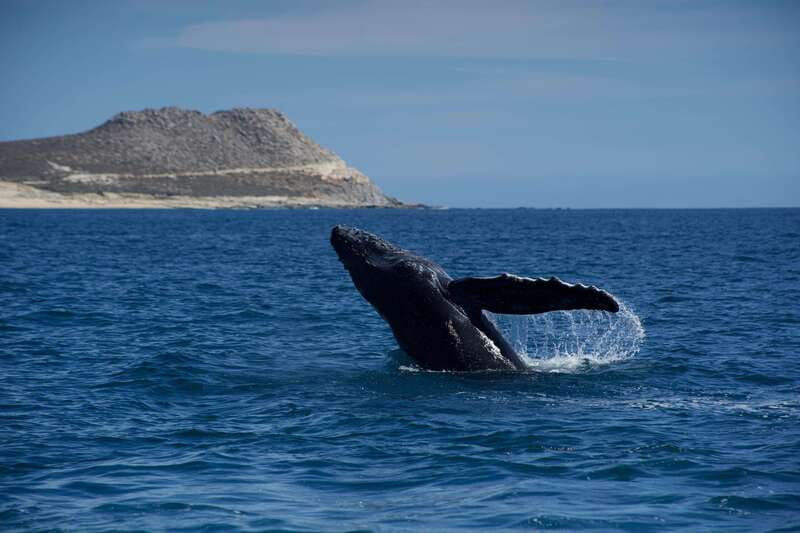
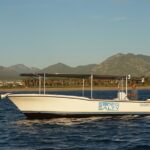
You meet at a fishing marina behind El Ganzo Hotel. From there, you’ll connect with Dip Expeditions and get set up for the sail.
The first stage is basically getting ready properly. Before you’re searching the horizon, the guide provides a briefing so you know what to expect and how to behave while you’re out there. This is practical stuff—how the spotting will work, what kind of whale movement you might see, and how the team keeps the respectful approach that matters for animal welfare.
The tour includes water and snacks, which is a small detail with a big effect. You’re out on open water, watching carefully, and having something simple to eat keeps energy steady through the full outing.
One thing to keep in mind: there’s no alcohol allowed, and there’s no fishing. So this is a whale-watching outing first, not a “do your own thing” kind of trip. That usually leads to a more cohesive experience.
The crew’s whale-spotting method (and why the distance matters)
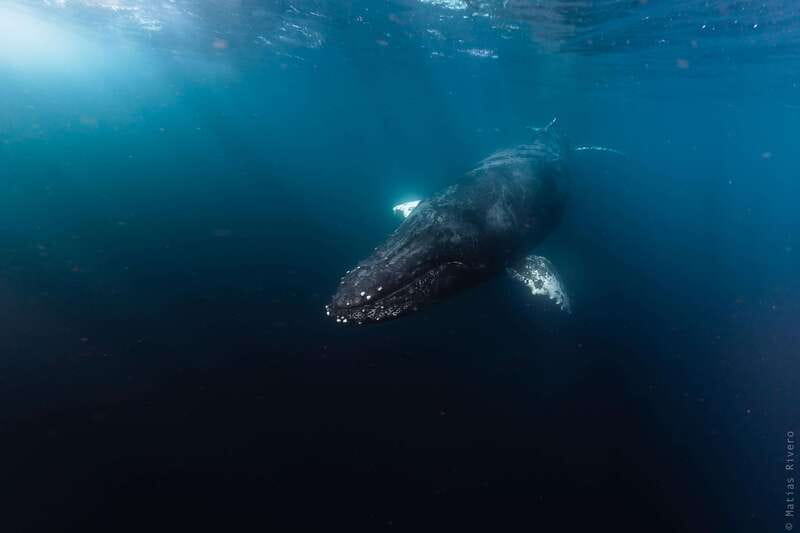
Once you’re out toward the open ocean, the guide starts scanning and explaining what to look for. The boat crew keeps an eye on the horizon for humpback whales and any other whales in the area.
Here’s what you want from a good whale watch: effort, focus, and restraint. The biggest praise this tour earns is how the captain and crew stay dedicated to finding whales while maintaining a safe distance so the animals aren’t disturbed. You’re not there to chase behavior. You’re there to observe it.
That respectful approach changes your experience in a subtle way. When you’re not constantly pushing closer, the whales keep moving like they would anyway. You get more natural behavior, and the whole mood stays calmer on the boat.
You’ll also notice how the crew’s work translates into results. In past experiences, people have been surprised by how many whales cross their path, and how often sightings happen at a satisfying pace rather than just one brief moment.
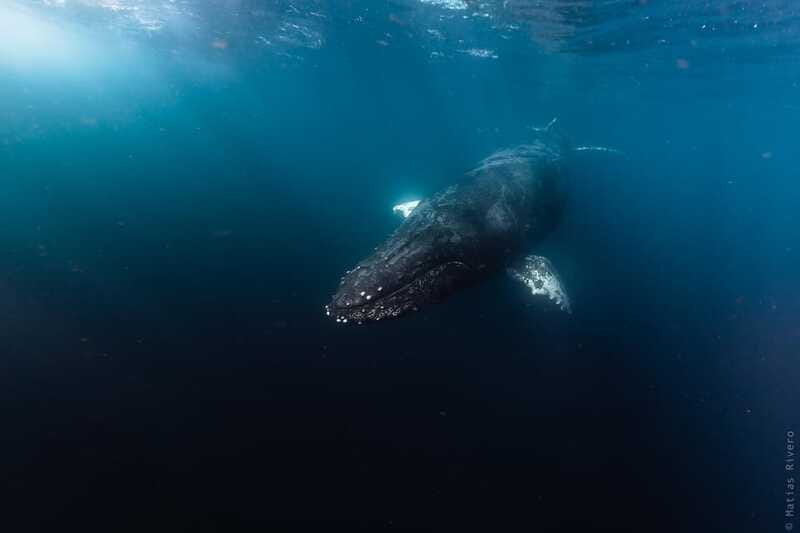
What you’re likely to see: humpbacks in real action
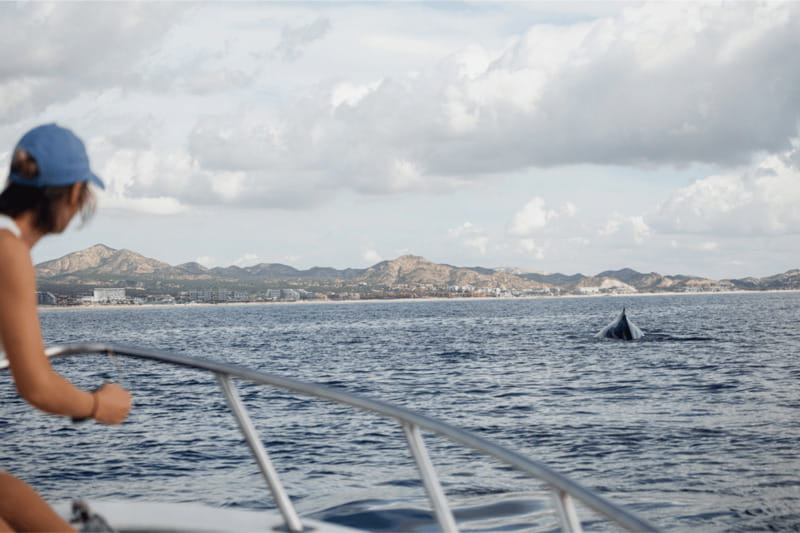
This isn’t the kind of whale watching where you spot one spout and wait. The goal is to watch whales doing whale things.
Because the tour is centered on humpback whales, you can reasonably expect to see behaviors like:
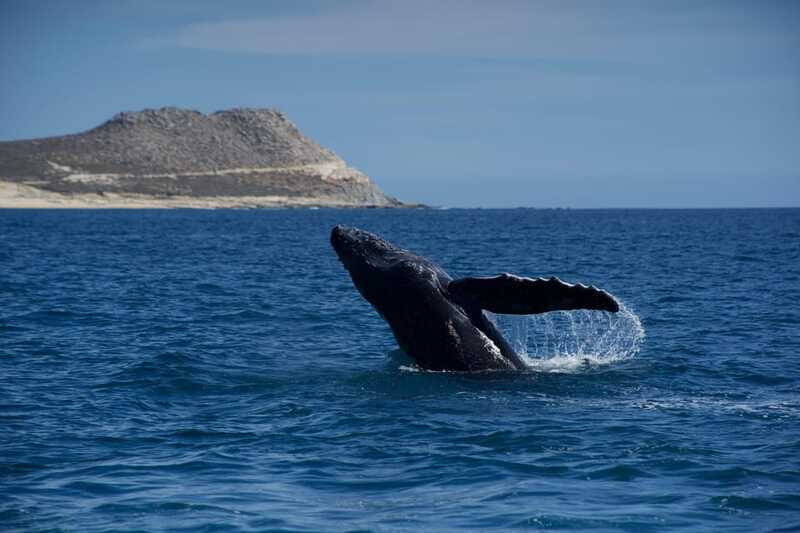
- calves and playful movement
- whales performing what’s described as heat runs
- mother whales teaching young ones how to swim and dip
Those are exactly the moments that make whale watching feel alive. A spout in the distance is nice. A calf popping up and moving around is different. You start to understand the rhythm of the encounter.
A guide’s briefing also helps you recognize what you’re seeing while it’s happening. When you understand terms like heat runs or learn how mothers and calves interact, you’re not just pointing at the horizon—you’re following the story.
The Mar de Cortez experience: sightings, photos, and calm viewing
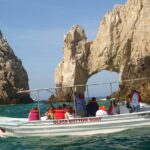
Out on the water near San Jose del Cabo, you’re in a region where the scenery and the wildlife both contribute. People often focus only on the whales, but the coastline views help too. Seeing the coastline with whales working nearby is part of what makes the memory stick.
The best part of the experience, from a practical standpoint, is how the sightings can feel “around you.” The boat isn’t described as crowded or hectic during whale moments. Instead, the crew’s commitment to searching and respectful positioning can put you in the right place when whales cross paths.
That’s also great for photos. You’re likely to come away with pictures that show not just a whale’s back, but real context—coastline in the background, whales moving through the water, and the action that happens when a calf jumps.
And there’s an added bonus sometimes: manta rays have been seen during this kind of outing. You shouldn’t count on it every time, but it’s a good reminder that the ocean can offer more than one headline species on a single trip.





Price and value: what $140 buys you in 2 hours
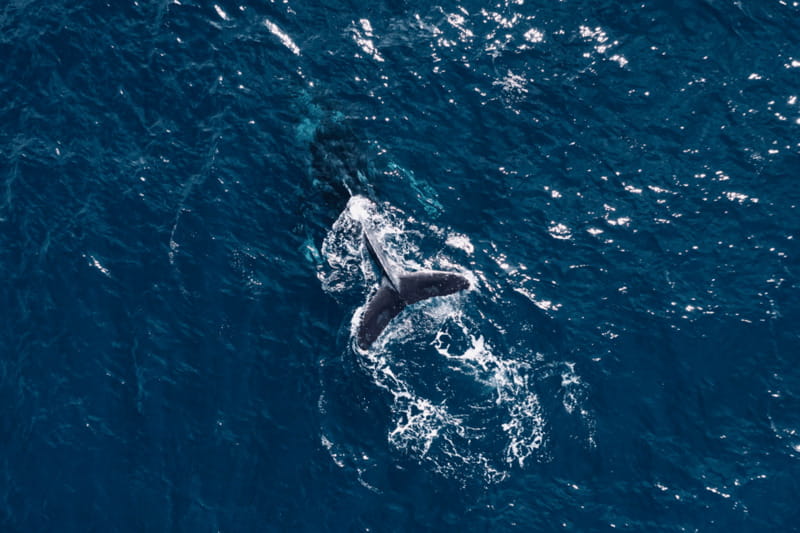
At $140 per person for a 2-hour whale watching trip, you’re paying for three things: a live guide, a dedicated small-group experience, and the work it takes to locate whales in open water.
This isn’t a “stand on a dock” activity. You’re going out on the water with a crew that searches, tracks, and positions the boat in a way that keeps whales comfortable. That takes time and skill, and it’s the main reason whale watching isn’t cheap anywhere.
The value gets stronger when you look at what’s included:
- water and snacks
- live guide in English and Spanish
- small group capped at 8 participants
- wheelchair accessible design (more on this below)
If you want a whale watching experience that’s focused, not a long endurance event, this price can make sense. You’re not paying for hours of waiting—you’re paying for an organized hunt for humpbacks with proper animal behavior practices.
Who should book, and who should skip it
This tour is best for people who will be comfortable on the open ocean for about 2 hours and who fit the age and comfort guidelines.
It’s listed as not suitable for:
- children under 5
- babies under 1
- non-swimmers
- people prone to seasickness
- people over 75
- people over 70
That last one is important. Even if you’re a strong swimmer, seasickness can turn a whale watch into a stressful time fast. If you know you’re sensitive to motion, skip this one.
It’s also not a good fit if you’re traveling with items that aren’t allowed—like baby strollers—since those are specifically listed as not permitted.
If you’re coming from San Jose del Cabo and you want a wildlife encounter that’s organized, respectful, and not overly long, this fits well.
Rules that keep the whales safe (and keep your trip fun)
A whale watching trip works when everyone follows the simple rules. Here are the key restrictions for this outing:
- No fishing
- No alcohol and drugs
- No baby strollers
These rules aren’t there to spoil your day. They keep the activity focused, reduce distractions, and help keep the distance and calm behavior the crew is trying to maintain.
The no-fishing rule also helps you stay aligned with the main goal: spotting and observing whales. You’ll notice the vibe is more about watching than multitasking.
Getting the most out of your 2-hour whale watching window
Because the tour is only 2 hours, your best strategy is to act like you’re on a short mission: stay present, keep your eyes on the guide’s cues, and be ready to change your attention quickly as whales move.
A small-group setup helps here. With fewer people onboard, it’s easier to track what’s being pointed out and easier to keep your own position without constantly reshuffling.
Also, take advantage of the included water and snacks. You’re likely to be standing or leaning a bit more than you expect, especially during active whale moments. Staying hydrated helps you keep energy and focus.
And if you’re a photographer, this trip’s “real behavior” focus is what you want. Heat runs, calves, and mother-calf interaction are the kinds of scenes that create photos with meaning.
Should you book this whale watching tour with Dip Expeditions?
If you want humpback whale watching that prioritizes safe distance, keeps the group small, and gives you a meaningful amount of time on the water, I’d book it. The combination of a live bilingual guide, included refreshments, and a crew that actively searches without disturbing whales makes it a strong value for your 2-hour window.
I would skip it if you:
- get seasick easily
- need an activity designed for very young children or infants
- aren’t comfortable on open water or don’t swim
For the right fit, this is the kind of outing where you come back with more than a sighting. You come back with behavior you can actually remember.
FAQ
How long is the whale watching tour?
The duration is 2 hours.
What does the whale watching tour cost?
The price is $140 per person.
Where is the meeting point?
The meeting point is a fishing marina behind El Ganzo Hotel.
What’s included in the tour price?
Water and snacks are included.
Is there a live tour guide, and what languages are offered?
Yes. The live tour guide speaks English and Spanish.
What is the group size?
It’s a small group limited to 8 participants.
Is the tour wheelchair accessible?
Yes, the tour is wheelchair accessible.
Who is the tour not suitable for?
It’s not suitable for children under 5, non-swimmers, people prone to seasickness, people over 75, and babies under 1 (also listed: people over 70).
Can I cancel and do I have to pay immediately to reserve?
You can cancel up to 24 hours in advance for a full refund. There’s also a reserve now & pay later option where you pay nothing today.