REVIEW · SAN JOSE DEL CABO
Surf Lessons in CABO with Mexico Surf Champ!
Book on Viator →Operated by Catman Surf School - San Jose del Cabo · Bookable on Viator
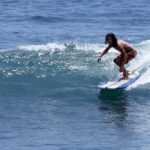
Catching your first wave starts with safety. This 2-hour surf lesson at Costa Azul is led by Sergio Cat Reyes Hernandez, a National Surf Champion and certified surf instructor with aquatic rescue training. I like how it’s built to prevent bad habits early, not just get you standing once.
What I really love is the combination of patient coaching and serious ocean-safety focus. You’ll learn technique basics, plus how to read conditions like tides and swells, and the etiquette that keeps surfers (and swimmers) from getting in each other’s way. One possible drawback: the session can be physically tiring, and the water can feel chilly with rocky areas—so you’ll want to plan on using water shoes.
This is a private activity, so it’s tailored to your group instead of a big cattle-truck class. It runs from about 7:00 AM to 5:00 PM daily, meets at Puente Costa Azul on the tourist corridor, and ends back at the same spot.
In This Review
- Key highlights to know before you go
- Sergio Cat Reyes Hernandez: the Cabo surf coach you want
- Costa Azul start point and how the 2-hour lesson plays out
- What’s included (and what you should bring)
- Included
- Not included (plan these before you go)
- Safety lessons that go beyond “be careful”
- The surf in San José del Cabo: rocky edges and chilly water
- Technique progress: from awkward starts to catching your own waves
- Who this lesson suits best (and how to set expectations)
- After-session comfort: refuel, reset, and keep it simple
- FAQ
- How long is the surf lesson in Cabo?
- Where do we meet for the lesson, and where does it end?
- Is this a private lesson or shared with strangers?
- What equipment is included?
- What should I bring if I want to be comfortable?
- What language is the instruction in?
- What happens if weather is bad or I need to cancel?
- Should you book this Cabo surf lesson?
Key highlights to know before you go
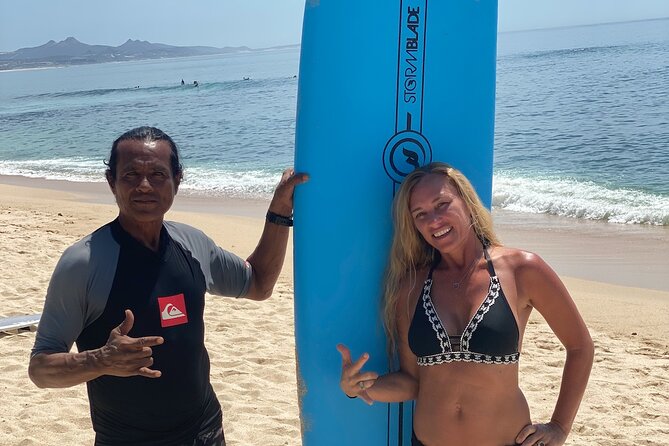
- Sergio Cat Reyes Hernandez brings competition judging, aquatic rescue certification, and surf instruction training to every lesson.
- Solid basics early: you build technique from the start so you don’t lock in awkward patterns.
- Safety training is part of the surf lesson: tides, ocean swells, and surfing etiquette.
- Gear included: soft-top surfboard, leash, and an umbrella for shade.
- You learn fast, but with patience: many sessions end with students catching their own waves.
- Water shoes matter: rocks and colder water can make footwear a game-changer.
Sergio Cat Reyes Hernandez: the Cabo surf coach you want
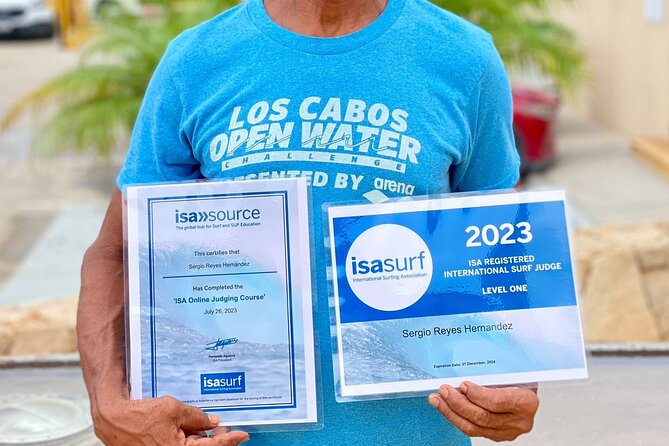
If you’re going to take lessons, I think you should take them from someone who can teach two things at once: skill and judgment. Sergio Cat Reyes Hernandez checks both boxes. He’s a National Surf Champion, an official Baja Sur surf competition judge, and he’s certified in aquatic rescue. That combination matters in Cabo, because you’re dealing with real ocean conditions, not a shallow kiddie pool.
What shows up in the experience is calm, structured coaching. Multiple people describe him as extremely patient—especially when learning is awkward. That matters because surfing has a habit of humiliating you in public, fast. A good instructor reduces the panic and replaces it with simple steps you can actually follow.
Also, you might not always get Sergio himself in every case. In at least one session, he was dealing with an injury and another coach (named Joe and Marco in different experiences) stepped in. The good news: the teaching vibe stayed supportive and focused on getting people safely into the water and progressing during the session.
You can also read our reviews of more tours and experiences in San Jose del Cabo

Costa Azul start point and how the 2-hour lesson plays out
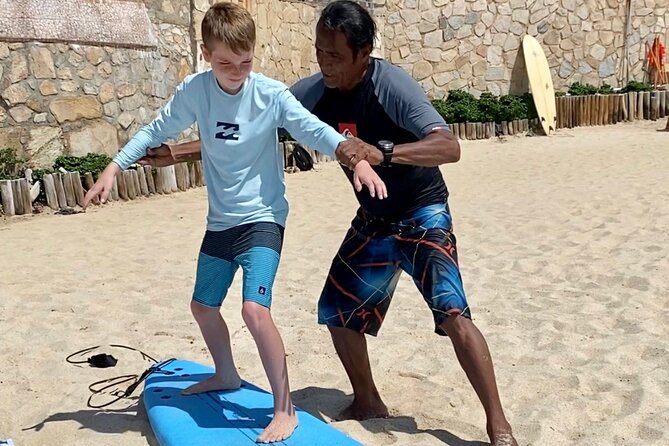
You’ll meet at Puente Costa Azul, Tourist Corridor, San José del Cabo, B.C.S., Mexico. The activity starts there and ends back at the same place, which keeps your day simple. For a 2-hour lesson, that “no wasted time” structure is a big deal.
Here’s what the flow feels like based on how the coaching is described:
- You’ll get instruction geared toward beginners and improvers, with emphasis on forming good technique right away.
- You’ll also get real ocean-safety guidance so you’re not just guessing out there.
- Then you’ll spend time on the water working on your wave-catching, with adjustments based on what you’re doing.
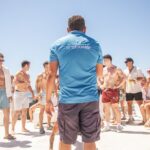
You’re not being thrown to the waves with zero context. Even people who weren’t new to surfing mention that Sergio picked up on the small adjustments they needed. That’s a sign the lesson isn’t generic—it’s watching and correcting in real time.
One practical note: the lesson is offered in English. If you want an easy, confident communication channel, this is a good fit.
What’s included (and what you should bring)
This session gives you core gear so you can focus on learning instead of hunting equipment at the last minute.
Included
- Soft-top surfboard
- Leash
- Umbrella for shade
Soft-top boards are exactly what you want for early learning. They’re more forgiving, safer for first attempts, and typically easier to handle when you’re still figuring out how your weight and balance work on a wave.
Not included (plan these before you go)
For men: rashguard and board shorts.
For women: a sport top with sport bottoms, or a one-piece swimsuit.
Water shoes are recommended (and you can find them at the store). Also bring good sunblock and a beach towel.
Water shoes deserve your attention in this area. One account specifically calls out that the water is chilly-ish and has a lot of rocks, and that water shoes made a huge difference. That’s not a small detail—it can be the gap between tolerable and miserable.
If you show up without proper swim gear, you can still potentially make it work, but your comfort and confidence will drop fast once you’re standing on rocky edges and stepping into cooler water.





Safety lessons that go beyond “be careful”
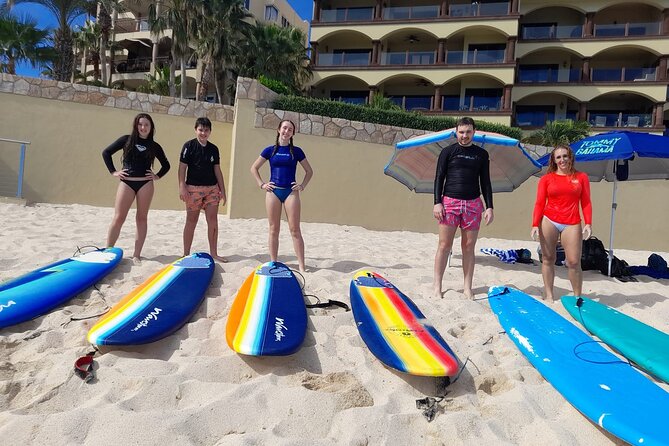
Surf schools can either treat safety as an afterthought or build it into the lesson. Here, safety is clearly part of the curriculum. You’ll learn about ocean safety, including:
- Tides
- Ocean swells
- Surfing etiquette
Why that matters: when you understand tides and swell patterns, you stop fighting the ocean and start working with it. And etiquette helps everyone share space—so the session stays fun and less chaotic. That’s especially important if there are multiple surfers around or if conditions change quickly.
Sergio’s rescue certification isn’t just a credential on a website. It’s the kind of background that tends to show up as better decision-making—knowing when to go out, when to wait, and how to keep learning productive without taking unnecessary risks.
And yes, you should still expect falls. Surfing is hard. But in this kind of instruction, you fall with context, not confusion.
The surf in San José del Cabo: rocky edges and chilly water
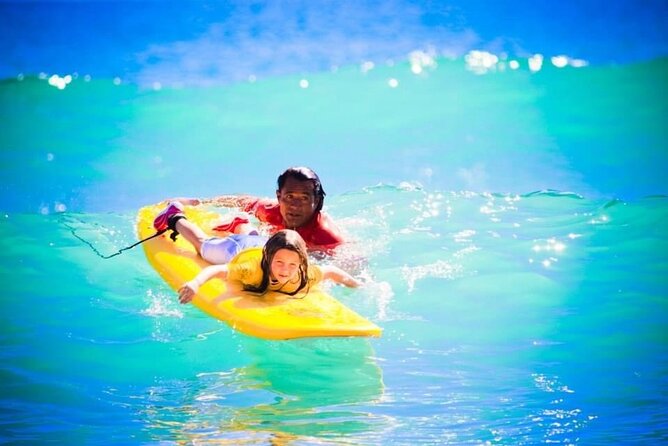
Cabo can be tempting because the sun looks like a guarantee. The ocean can still have other plans. A few things are worth planning for:
- The water can feel chilly for some people.
- The shore area can include rocks, which affects how comfortable (and safe) it is to step in and out.
- Even athletic people can find the session exhausting, especially when you’re learning paddling, positioning, and timing all at once.
So what should you do?
Bring water shoes. Use sunscreen. Bring a towel you don’t mind getting sandy. And set expectations for effort, not perfection.
If you go in thinking you’ll ride immediately like the videos, you’ll waste energy being nervous. A better mindset is: this is a launch pad. You’re training coordination, timing, and ocean reading—skills that build session by session.
One nice bonus: after the hard work, there’s an easy place to reset right nearby. A reviewer highlights Zippys Bar as a welcome break after surfing, and even notes live music. It’s the sort of add-on you’ll appreciate when your body feels like it’s been wrestling a sea creature.
Technique progress: from awkward starts to catching your own waves
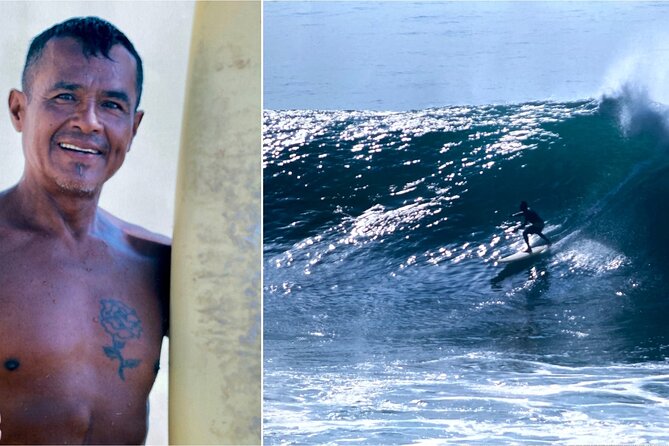
Many people come in hoping to stand up once. What you’re aiming for with a lesson like this is more than that: you want to start learning wave selection and body position so you can catch your own waves with better timing.
The teaching style described is practical and adjustment-focused:
- Sergio watches what you’re doing and makes small, specific changes.
- One review says he helped a student catch their own waves by the end of the lesson.
- Another notes he quickly identified the little tweaks needed to improve.
If you’re more advanced, don’t assume you’ll be bored. One account mentions that even experienced surfers got targeted corrections.
If you’re a first-timer, patience becomes your best tool. Multiple reviews describe coaching as calm and encouraging, with instructors staying supportive when students want to slow down or quit early because they’re tired or overwhelmed. That matters because learning surfing is mentally weird: you’re brave for 30 seconds, then exhausted for 5 minutes, then brave again.
Who this lesson suits best (and how to set expectations)
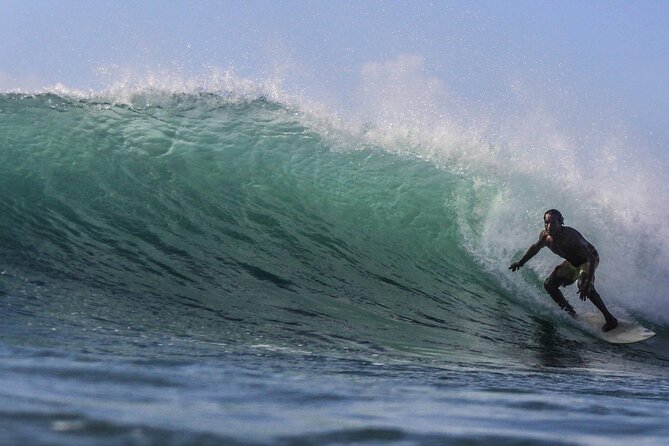
This works well for:
- Beginners who want solid foundations and safety guidance from day one
- Kids and families, based on accounts where children loved it
- Couples who want a shared activity and individualized attention from a private group setup
- Athletic people who learn quickly but still benefit from fine-tuning technique
It may not feel ideal if you’re expecting a guaranteed “pro-level” ride in one session. Even people who have a great time point out that this isn’t about leaving with zero beginner struggle. You’re learning a patient, timing-based sport.
A quick reality check that actually helps: if you’re okay laughing at wipeouts and you understand the ocean is doing its own thing, the lesson tends to feel like a win—even if you don’t surf nonstop the entire time.
After-session comfort: refuel, reset, and keep it simple
Once you’re done, you’ll be back at the starting meeting point. From there, it’s easy to keep your Cabo day moving without extra transport planning.
If you want a nearby post-surf hangout, the Zippys Bar mention is useful. One person says it’s right where the surfing is, and that live music can make the wait between attempts feel like less of a chore.
What I’d do:
- Rinse off if possible.
- Dry off and get warm.
- Eat and hydrate soon. Learning to surf is more cardio than you think.
And if you’re curious about practicing afterward, asking your instructor for a couple of key takeaways is smart. When you know the next step, practice stops being random.
FAQ
How long is the surf lesson in Cabo?
It runs for about 2 hours (approx.).
Where do we meet for the lesson, and where does it end?
You meet at Puente Costa Azul, Tourist Corridor, San José del Cabo, B.C.S., Mexico, and the activity ends back at that meeting point.
Is this a private lesson or shared with strangers?
This is a private tour/activity, so only your group participates.
What equipment is included?
The lesson includes a soft top surfboard, a leash, and an umbrella for shade.
What should I bring if I want to be comfortable?
Bring the right swimwear (men: rashguard and board shorts; women: sport top plus sport bottoms or a one-piece), plus good sunblock and a beach towel. Water shoes are recommended and are available at a store.
What language is the instruction in?
The lesson is offered in English.
What happens if weather is bad or I need to cancel?
The experience requires good weather. If it’s canceled due to poor weather, you’ll be offered a different date or a full refund. You can cancel for a full refund up to 24 hours in advance; cancellations inside 24 hours are not refunded.
Should you book this Cabo surf lesson?
Yes—if you want a safety-first start, patient coaching, and a foundation that helps you progress instead of picking up sloppy habits. The credentials behind Sergio Cat Reyes Hernandez (competition judge plus aquatic rescue certification) are a strong sign you’ll be taught with judgment, not just enthusiasm.
Book it if you’re traveling with a partner, family, or friends and you like the idea of a private session where the instruction can match your group. And do it if you’re willing to bring water shoes and accept that surfing is tiring and humbling before it’s thrilling.
If your main goal is a quick, effortless ride with no falls or effort, you might feel disappointed. But if you want real instruction and the best shot at catching waves by the end, this is a solid choice for San José del Cabo.