REVIEW · SAN JOSE DEL CABO
Surf Lesson Tours (half day)
Book on Viator →Operated by cabo surf tours · Bookable on Viator
Cabos surf is usually sold as a big-group day. This one feels more like a tailored lesson on remote beaches. You’ll get hands-on coaching and the chance to start easy, then level up at your pace on the water.
Two things I especially like: the private setup (just your group, not a cattle-call lineup) and the fact that lessons are built for how fast you learn. One drawback to keep in mind: this kind of surf time depends on wind and conditions, so your exact spot can shift to stay safer and more fun.
In This Review
- Key Highlights Worth Planning For
- Surf Lesson Tours in Cabo: What Makes It Feel Different
- The 4-Hour Flow: Pickup, Beach Time, and No Wasted Motion
- Where You Learn: East Cape in Summer vs Todos Santos in Winter
- The Lesson Start: Briefing, Safety Basics, and Getting Your Feet Under You
- Shallow Water First: White Water Practice That Actually Builds Confidence
- Gear and Comfort: Rash Vest or Wetsuit Plus Practical Setup
- Private Tour Attention: Why One Group Changes Everything
- Food and Energy: Breakfast Included, Snacks Commonly Added
- Price and Value: Is $210 a Good Deal for Cabo Surf?
- Weather Reality: What to Expect When Conditions Change
- Who Should Book This Surf Lesson (and Who Might Hesitate)
- Should You Book Surf Lesson Tours in San Jose del Cabo?
- FAQ
- How long is the surf lesson tour?
- Where are the surf lessons held?
- Do you pick you up from your hotel or accommodation?
- Is this tour private?
- Are beginners and different skill levels welcome?
- What gear do you provide?
- Is breakfast included?
- Is the tour offered in English?
Key Highlights Worth Planning For
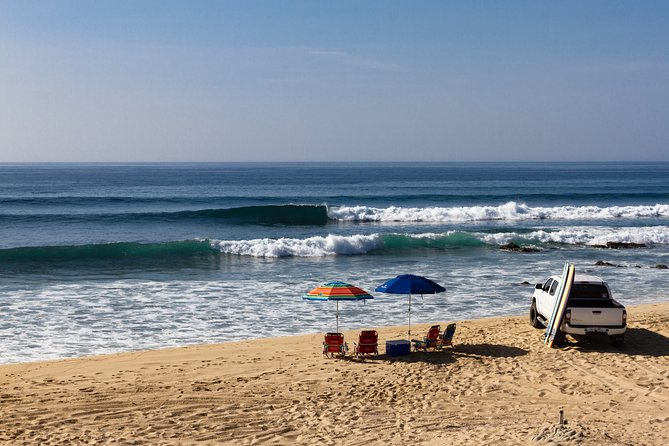
- Remote beach lessons (East Cape in summer, Todos Santos in winter) keep the experience feeling truly Baja
- Certified instruction with CPR/First-Aid and lifeguard credentials focused on safety
- Rash vest or wetsuit provided depending on season and weather, so you travel lighter
- Beginner-friendly pacing starts in shallow water with white-water practice before you go for small waves
- Private tour attention means more time getting corrected and encouraged in the water
- Breakfast included, plus extra snacks and drinks are a common bonus in the real-world experience
Surf Lesson Tours in Cabo: What Makes It Feel Different
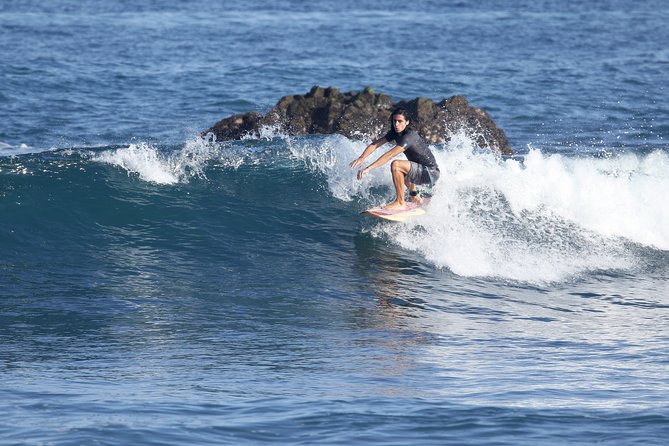
If you picture learning to surf as a loud, crowded chaos session, this half-day course is a better match for calm, focused progress. You’re in San Jose del Cabo, but the lesson happens out on the remote East Cape beaches (in summer) or the Todos Santos area (in winter). That matters because the teaching can stay consistent with the conditions there, instead of forcing your group into whatever spot is closest to town.
I also like the way they plan for real skill levels, not just a generic script. Beginners start with the basics you need to succeed—paddling, the push-up, the pop-up, and how to move and turn the board—then you build from white water to small waves only when you’re ready.
The biggest value is the mix of comfort and safety. You’re not just handed a board and sent out. The instructors are trained and certified (CPR/First-Aid and lifeguard certified), and the lesson stays in safe zones while you learn.
You can also read our reviews of more tours and experiences in San Jose del Cabo

The 4-Hour Flow: Pickup, Beach Time, and No Wasted Motion
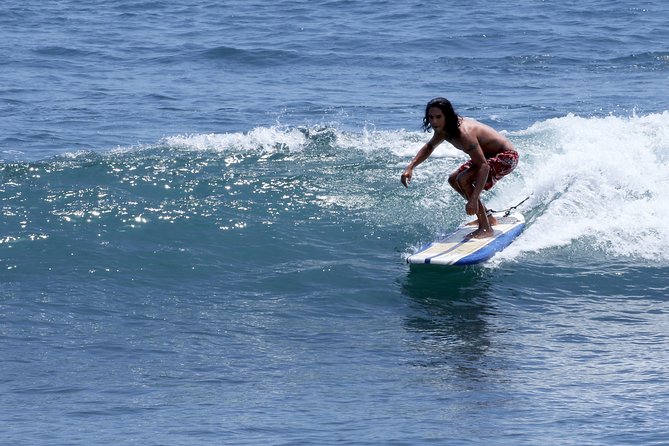
This experience runs about 4 hours, and it’s structured so you spend that time where it counts: on the water. You’ll be picked up at your accommodation, which is a real convenience in Cabo. It also helps the crew manage timing better, especially if wind changes quickly and they need to adjust the location for the day.
Once you’re at the beach, the rhythm is simple:
1) a briefing about ocean conditions and safety
2) getting your body used to paddling and board control
3) practice on shallow water with white water
4) a step up to small waves when you’re comfortable
5) breaks and rest whenever you need them
Short sessions like this are good for beginners because fatigue can ruin form fast. Here, you’re allowed to take breaks, which helps you reset and keep your attempts more productive.
Where You Learn: East Cape in Summer vs Todos Santos in Winter
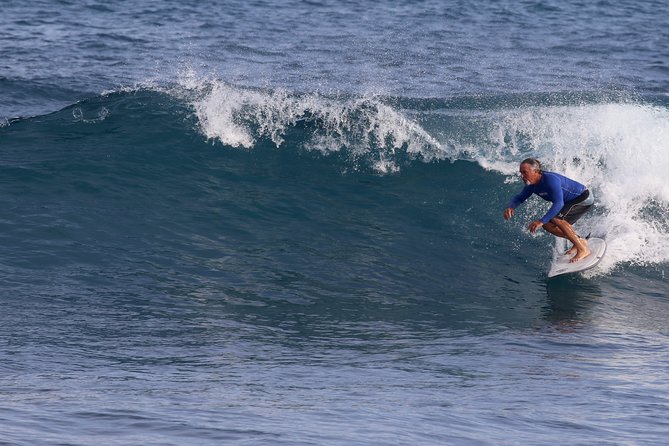
One of the details that makes this tour worth it is that the beach plan changes by season. In summer, lessons are in the remote beaches of the East Cape. In winter, it shifts to the Todos Santos area.
Why you should care: surf quality is tied to conditions, and wind can make a big difference day to day. When a crew knows they’ll need to adjust, they can choose a protected area and still keep the learning zone safe. One of the best parts of the experience is that the instructors don’t just go through motions—they adapt the location to better match what your group needs that day.
That flexibility showed up in people’s feedback too. For example, if wind made an originally planned time rough, the team adjusted where you surfed to reduce it. That’s exactly what you want when you’re there to learn, not just get knocked around.
The Lesson Start: Briefing, Safety Basics, and Getting Your Feet Under You
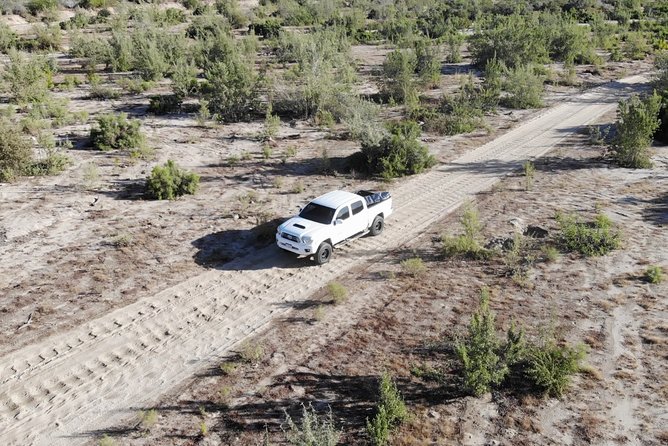
Before anyone paddles out, you’ll get a briefing focused on what you need right away. They go over ocean conditions and surf safety, plus the core mechanics of surfing:
- paddling basics
- push up and pop up technique
- how to move and turn on the board
If you’re new, this is the stage that makes everything after it easier. Most beginners fail not because they are unathletic, but because they don’t know the sequence of actions yet. Getting the technique breakdown early helps you avoid the most common bad habits—like trying to pop up too early or not positioning your body correctly.
You’ll also learn what to expect from the water that day. That reduces the scary mystery factor. Surfing gets a lot more fun once you understand the wave rhythm and what you’re supposed to do.
Shallow Water First: White Water Practice That Actually Builds Confidence
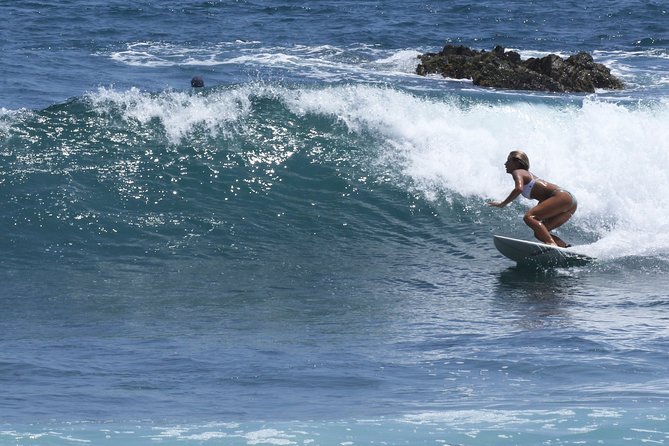
Here’s the pacing that works: everyone starts in shallow areas, riding the white water first. You practice until you’re comfortable, and then—only when appropriate—you move on to small waves.
This approach is smart for two reasons:
1) Shallow water lets you reset quickly. If you fall, you can stand and try again sooner.
2) White water helps you learn balance without the same risk or uncertainty as bigger breaks.
It also keeps your body learning. If you spend the first part in deeper water where you’re exhausted before you ever catch a wave, your pop-up form tends to fall apart.
You’re also welcome to rest and take breaks. That might sound like a small detail, but it changes the whole day. When you’re not constantly chasing exhaustion, you can actually improve session-to-session.






Gear and Comfort: Rash Vest or Wetsuit Plus Practical Setup
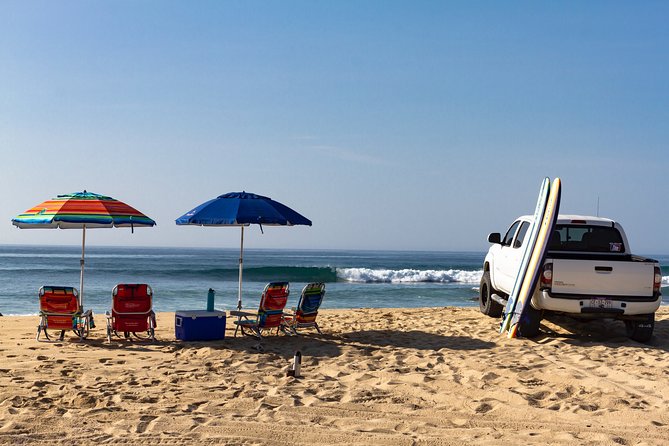
You don’t have to bring a full surf kit from home for this. Depending on season and weather, you’ll be provided a rash vest or wetsuit. That’s huge for value and comfort, because Cabo conditions can shift. Even when the air feels warm, the water can still surprise you.
From a practical traveler point of view, this means:
- fewer items to pack
- less hassle in finding the right thing last minute
- better focus on the lesson instead of managing gear
The tour is also offered in English, which makes it easier for you to follow the coaching quickly without guessing what the instructor means when you’re already out there.
Private Tour Attention: Why One Group Changes Everything
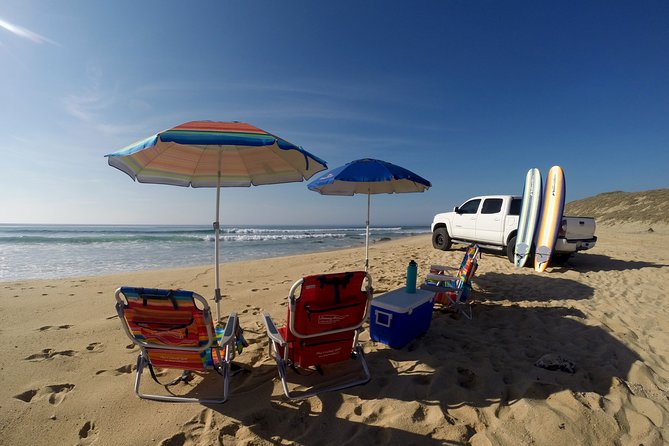
This is a private tour, so only your group participates. That matters more than you might think. Surf coaching is physical and fast. Small corrections need to happen immediately—like foot placement, timing, or how you paddle to get into position.
In a group class, you can end up waiting your turn, or you get one general tip that doesn’t match your exact issue. In a private setup, instructors can watch you closely and adjust coaching to what you’re doing wrong (or right) in real time.
People’s feedback really emphasizes that attention. Names that came up include Carlos for instruction and overall in-water help, plus Martin (the owner) for making sure everything ran smoothly. Others also mentioned instructors like Belu, and one person even called out a photographer vibe from Lu who captured photos during the day. That kind of team support is what turns a basic activity into a memory.
Food and Energy: Breakfast Included, Snacks Commonly Added
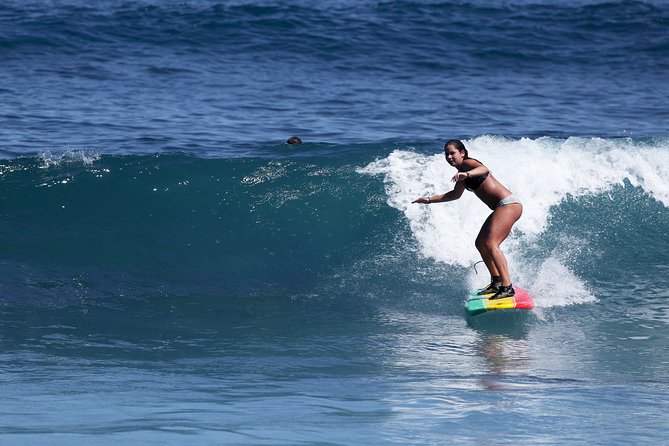
This experience includes breakfast in the price. That’s a big deal for a half-day activity. Surf sessions can crank your appetite, and going out on the water without fuel is a fast track to grumpy and shaky form.
In real-world experience, the team has also shown up with extra food and drinks. People referenced a cooler with snacks, drinks, and sandwiches, plus plenty of water and food to keep energy up. Even if you don’t count on that as a guarantee, the pattern is clear: the crew understands that surfing is physical, and you need to stay fueled.
If you’re the type who usually forgets to eat until late afternoon, this alone can make the tour feel smoother.
Price and Value: Is $210 a Good Deal for Cabo Surf?
At $210 per person for about 4 hours, this is not a bargain-basement activity. But it can be good value if you compare it to what you’re actually buying.
You’re paying for:
- private instruction for your group
- equipment support (rash vest or wetsuit depending on conditions)
- certified safety-trained coaching
- breakfast included
- pickup from your accommodation
- beach-time adaptation based on wind and conditions
In other words, you’re not just paying for access to waves. You’re paying for people who manage the day so you can learn. For first-timers, that time on the water with corrections can be the difference between a fun try and a frustrating day where you never connect with the waves.
If you’re traveling solo, pricing will still be steep. If you’re a small group of beginners or a family, the private attention tends to make the cost feel more reasonable because you’re not competing with strangers for coaching.
Weather Reality: What to Expect When Conditions Change
This is a weather-dependent activity. It requires good weather. If it’s canceled due to poor weather, you’ll be offered a different date or a full refund.
Even when it’s not canceled, wind and wave conditions can affect the exact surf spot. That’s why it’s smart to go in flexible. If you arrive expecting one perfect ideal wave moment, you’ll get a better day by focusing on the lesson and letting the crew choose the best protected learning area.
A simple travel tip: when you book, keep your schedule open enough for the possibility that the team might adjust timing or location. Surfing is never fully predictable, and this company is set up to deal with that reality.
Who Should Book This Surf Lesson (and Who Might Hesitate)
This is a strong match if you:
- are a beginner and want a structured ramp-up from shallow water to small waves
- want a private lesson experience without the stress of a bigger class
- care about safety and clear instruction
- want an activity that fits into a half-day schedule
It also works for a wide age range. The lessons are offered for kids and adults, so families can surf together without needing separate tours.
One thing to consider: if you’re extremely risk-averse and want the lesson to be purely land-based, this may feel like too much ocean time. But if you’re willing to try and you want coaching to make it easier, the pacing and shallow-water practice are built for you.
Service animals are allowed as well, which can make planning simpler for certain travelers.
Should You Book Surf Lesson Tours in San Jose del Cabo?
I’d book it if you want the best odds of actually learning something in a short window. The private format, certified safety mindset, and beginner-to-small-wave progression are the core reasons. Plus, breakfast included means you start the day ready instead of scrambling.
Don’t book it if your schedule is rigid to the minute and you hate weather-based changes. Surf depends on conditions, and the tour acknowledges that with its weather requirements and the way it adapts.
If you’re in Cabo with a few hours to spare and you want an authentic Baja-style surf lesson with real coaching (not just a rental), this is the kind of half-day that can turn into a story you tell later.
FAQ
How long is the surf lesson tour?
It lasts about 4 hours.
Where are the surf lessons held?
They take place on remote beaches in the East Cape area in summer, or in the Todos Santos area in winter.
Do you pick you up from your hotel or accommodation?
Yes, pickup is offered from your accommodation.
Is this tour private?
Yes. It’s a private tour/activity, and only your group will participate.
Are beginners and different skill levels welcome?
Yes. Lessons are offered for all ages and levels, including kids and adults, whether you’re trying your first wave or you have some experience.
What gear do you provide?
A rash vest or wetsuit is provided, depending on the season and weather.
Is breakfast included?
Yes. Breakfast is included in the experience price.
Is the tour offered in English?
Yes, it’s offered in English.