REVIEW · CABO SAN LUCAS
Mobula Ray Snorkeling
Book on Viator →Operated by Cabo Trek · Bookable on Viator
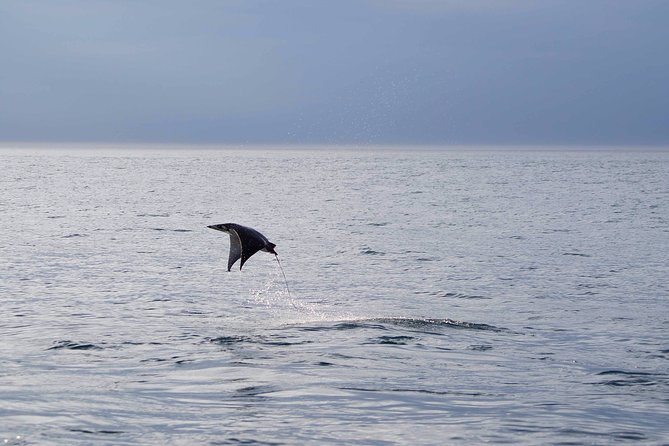
Rays breach like moving flashes of light. This 3-hour trip from Cabo San Lucas is built around seeing the migrating mobula manta rays up close, guided by marine professionals and paired with stops at the Arch of Cabo and the sea lion area.
I especially like the small group size (max 8). That usually means more attention when you’re gearing up, choosing where to look, and getting tips fast. One catch: mobula sightings aren’t guaranteed on every outing, so you’re paying for a best-chance encounter—not a guaranteed underwater moment.
In This Review
- What I Like Most (And Why It Matters)
- Key Points You Should Know Before You Go
- Why Mobula Rays Around Cabo Feel Different
- Cabo Trek’s Small-Group Formula (And Why It’s a Big Deal)
- The 3-Hour Flow: Arch of Cabo, Sea Lions, Then Ray Search
- Stop 1: El Arco de Cabo San Lucas
- Wildlife Viewing: the Sea Lion Colony Area
- The Main Mission: Finding Schools of Mobulas
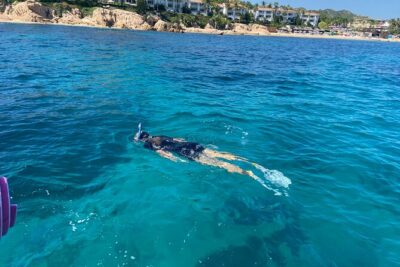
- Snorkeling Tactics: Getting Into the Water Without Losing the Moment
- Who benefits from the snorkeling focus?
- The real value: learning + timing
- Boat Comfort and Photo Possibilities
- Photo tips that match the tour reality
- Price and Value: What $169 Gets You (And What It Doesn’t)
- Morning vs Afternoon: How to Pick the Best Departure
- What Else You Might See When the Rays Are Active
- Who This Tour Fits Best
- Before You Go: Practical Gear and Mindset
- Should You Book Mobula Ray Snorkeling With Cabo Trek?
- FAQ
- What is the duration of the Mobula Ray Snorkeling tour?
- Where does the tour start and where do I meet?
- What time does the tour leave?
- Is the tour offered in English?
- How many people are in the group?
- What’s included in the price?
- What is not included?
- Can I watch mobula rays without snorkeling?
- Is there a weather requirement?
- Do I need strong physical fitness?
What I Like Most (And Why It Matters)
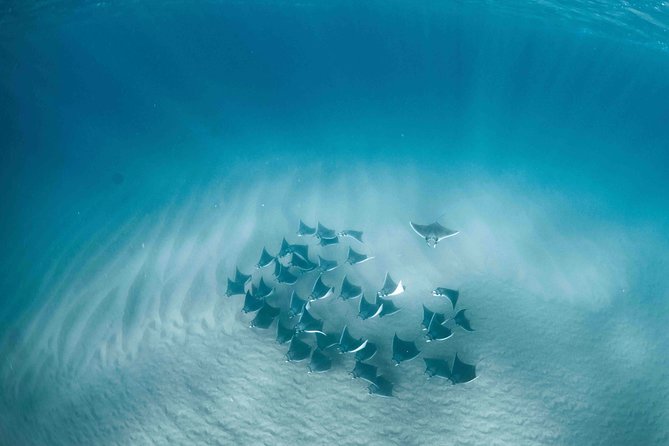
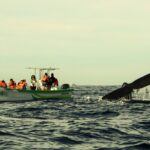
The best part is the payoff for both swimmers and non-swimmers. Even if you stay above the water, you can still spot mobulas breaching 6–8 feet out of the sea—great for photos and just plain jaw-dropping viewing.
The other big win is how smooth the package feels. You get snacks, soft drinks, and the necessary snorkeling equipment included, plus the guide and captain keep moving through the day until they find schools of rays.
Key Points You Should Know Before You Go
- Max 8 travelers: more personal attention when the action starts.
- Arch of Cabo + sea lion colony time: you get worthwhile wildlife sightseeing even if the snorkeling spot takes time.
- Search + multiple chances in the water: once the guide finds mobulas, you’ll get repeated opportunities to snorkel.
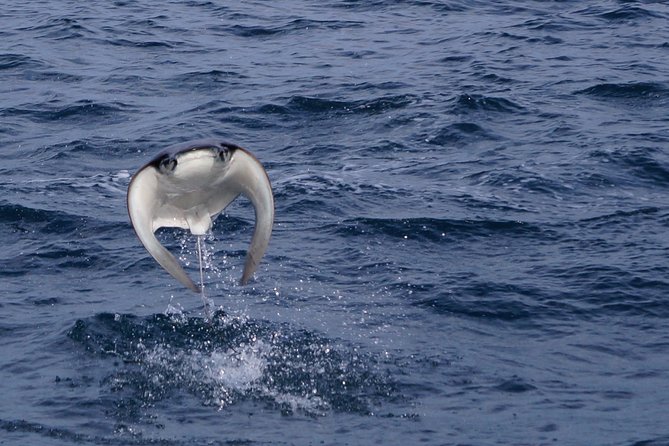
- Breaches up to 6–8 feet: you don’t need to be a strong swimmer to enjoy the spectacle.
- Marine biologist-led guidance: you’re learning while you’re watching, not just following directions.
- Snacks, soft drinks, and gear included: less hassle, fewer extra costs once you’re on the water.
You can also read our reviews of more snorkeling tours in Cabo San Lucas
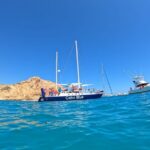
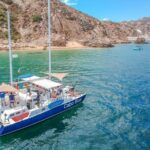
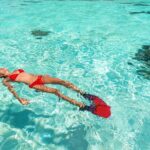
Why Mobula Rays Around Cabo Feel Different
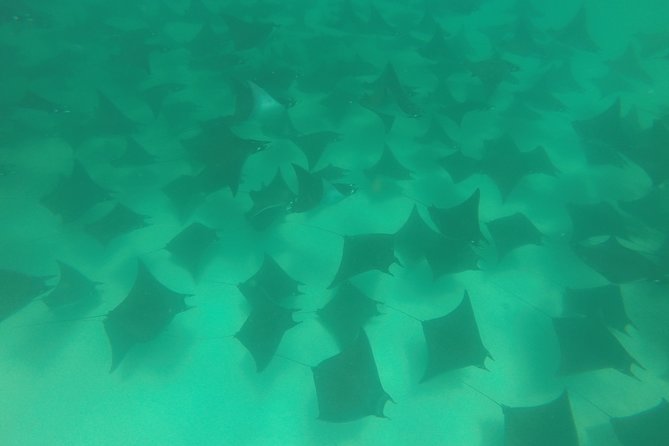
Cabo San Lucas has plenty of tours that promise wildlife. This one is specific: it’s designed around the migration of mobula manta rays to Baja California Sur waters. That matters because you’re not guessing what you might see. You’re going with a plan.
When the mobulas show up, they don’t just swim past. They breach. And for a lot of people, that’s what makes this tour click immediately. Rays launching above the surface is one of those moments your brain files as unreal—fast moving, powerful, and hard to ignore.
The tour also gives you a useful backup plan. Even if you don’t snorkel in every session, you’re still positioned to watch activity from the boat and at the surface. That means you can enjoy the day even if conditions or comfort levels steer you toward staying out of the water more often.
Cabo Trek’s Small-Group Formula (And Why It’s a Big Deal)
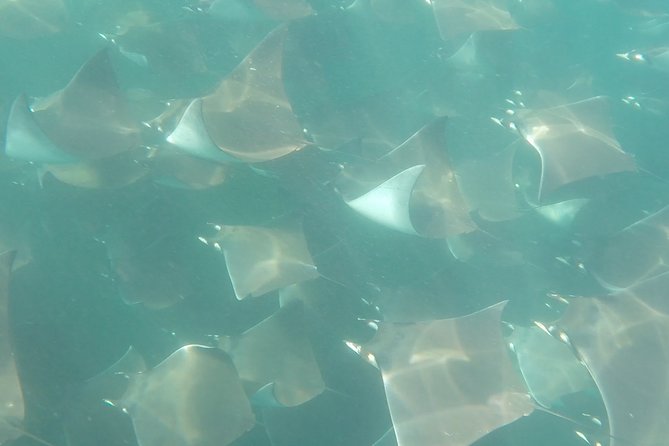
This tour caps at 8 travelers. That’s not just a number; it changes the feel of the day.
In a big group, you lose time. People spread out. Questions get delayed. When the guide spots something important, you either race to follow instructions or stand around waiting. In a small group, the guide can respond quickly—especially when you’re switching between scanning the water, managing gear, and getting everyone ready for a snorkel session.
The guides also bring real credibility. In customer feedback, the guides have been described as marine biologists, with strong command in the field and confidence managing mixed ages. Names that came up include Donna and Vanusa, and the captain mentioned was Adrian (with a skipper team that keeps things calm and organized).
So yes, you’re on a fun wildlife outing. But you’re also in hands-on learning territory. The tour is built to help you understand what you’re seeing while you’re seeing it.
The 3-Hour Flow: Arch of Cabo, Sea Lions, Then Ray Search
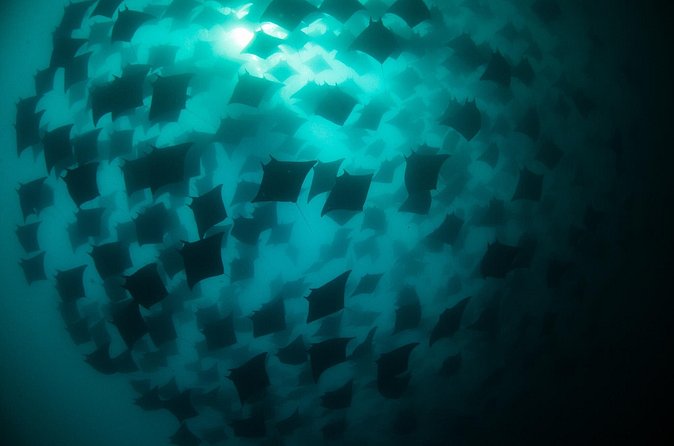
The day moves in a logical sequence, and the timing helps you stay mentally ready for each change.
You start at the meeting point at CaboTrekHotel Tesoro, Blvd. Paseo de la Marina 20-Local A, Centro, Cabo San Lucas, B.C.S., Mexico. The listed start time is 9:00 am, and the activity returns back to the same meeting spot.
Stop 1: El Arco de Cabo San Lucas
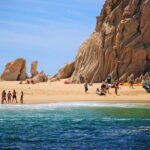
This is quick sightseeing with a purpose. The Arch area puts you into the right zone visually and helps set the context for the marine life you’re about to hunt. You also get some nice framing for photos before the boat work and water time start.

Wildlife Viewing: the Sea Lion Colony Area
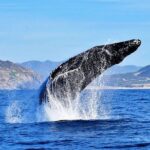
Right after the arch, the tour includes time around the sea lion colony. Even if your main target is mobula rays, this stop helps the day feel full. It also gives you a warm-up for watching wildlife without needing to commit to snorkel immediately.
The Main Mission: Finding Schools of Mobulas
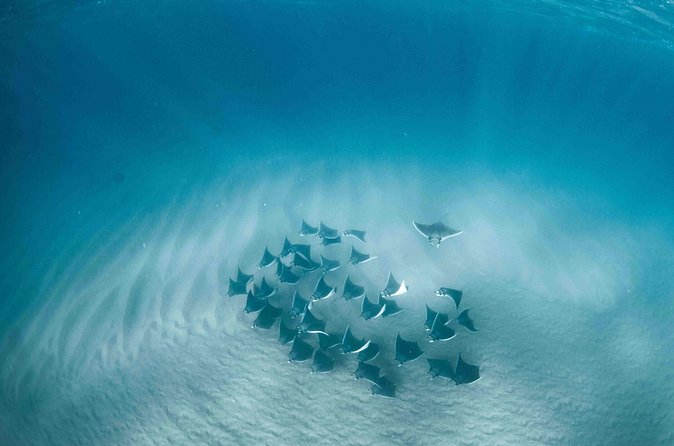
Once the guide starts searching, you’ll move through the water looking for the big schools. The key detail here is the “multiple chances” approach: once mobulas are found, the group isn’t stuck in one short attempt and then sent home. You’ll typically rotate into the water sessions based on where the rays are behaving at that time.
If you’re the type who gets nervous about snorkeling, this setup helps. You can choose when you want to go in and when you want to stay watching from above. And if you’re primarily a photographer, you’ll still get moments where the action rises high enough for shots—even from the surface.
Snorkeling Tactics: Getting Into the Water Without Losing the Moment
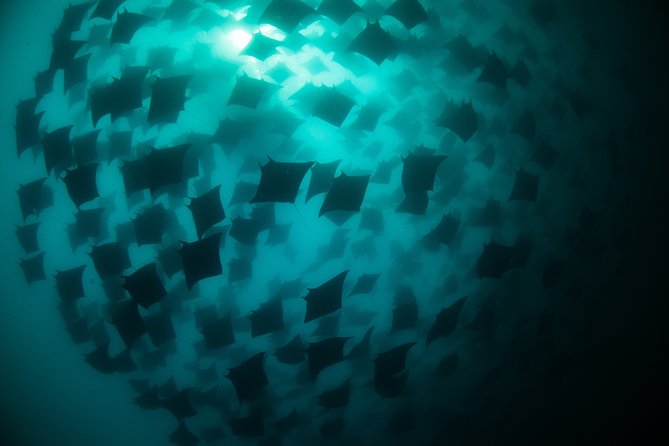
This is snorkeling, but it’s not a “grab flippers and hope for the best” situation. The tour is guided and structured around observing mobulas and reacting when conditions line up.
Here’s what to expect in practical terms:
- The guide watches and evaluates the situation before sending people into the water.
- Once the school is located, you’ll have repeat opportunities to snorkel rather than one quick window.
- Breaches can be seen 6–8 feet above the waterline, so you’ll have viewing chances even if you sit out a session.
Who benefits from the snorkeling focus?
If you like being in the water and watching animals at eye level, you’ll likely get the most enjoyment here. But you don’t have to be a hardcore snorkeler. The tour description specifically notes that even non-snorkelers can still see the rays breach.
The real value: learning + timing
A big part of why this tour gets such strong ratings is the way the guide helps people make sense of what’s happening. When you know what behaviors to look for, the experience stops being random. You’re not just waiting. You’re reading the water with the guide.
Boat Comfort and Photo Possibilities
Cabo boat days can range from uncomfortable to downright pleasant. For this one, the setup seems designed for real time on the water.
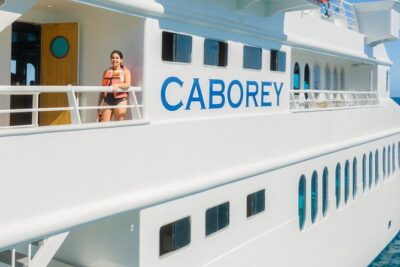
The boat includes both shade and open areas, which matters more than you’d think. If you’re out scanning for mobulas, sun exposure adds up fast. Shade gives you a chance to cool down between search moves.
Photo tips that match the tour reality
- Bring a waterproof phone case or a secure camera setup if you have one. Breaches happen quickly.
- Expect the best shots when rays breach high and close to the boat.
- Don’t ignore the “above-water” opportunities. Since sightings can rise 6–8 feet, you might get your best photos without ever being submerged.
And if you’re a first-time snorkeler who’s worried about missing the moment: you won’t be stuck staring at the boat deck all day. The tour is built around repeated chances once the mobulas show up.
Price and Value: What $169 Gets You (And What It Doesn’t)
At $169 per person for about 3 hours, the price isn’t cheap. I get the frustration behind comments that say it’s a lot of money for what might feel like a short outing. You’re paying for a targeted wildlife search, a small group, professional guidance, and the right gear.
Here’s what you do get that supports the cost:
- Snacks + soft drinks + water during the excursion
- All necessary snorkeling equipment and all fees included
- A guide led by marine biologists (as described in tour responses)
- A small maximum group size for more attention
- Time spent on the route to relevant sights like the arch and sea lion colony area
What you should not expect:
- A guaranteed mobula ray sighting every single time. This is nature. One departure described ended up with dolphins and other marine life instead of mobulas, even though the guide kept searching.
So the best way to think about the value is simple. You’re buying effort, expertise, and access to the right places and timing. You’re not buying a guaranteed animal appearance.
Morning vs Afternoon: How to Pick the Best Departure
The tour offers a choice of morning or afternoon. The details you have here list a 9:00 am start, but the important point for planning is that you can choose the time window that works best with your Cabo day.
When you pick morning, you may get a fresher start for wildlife scanning and photo readiness. Afternoon can fit better if you already have other activities planned earlier in the day.
Either way, keep in mind the tour requires good weather. That’s when the snorkeling and searching runs smoothly.
What Else You Might See When the Rays Are Active
Even though the star is mobula rays, the day can include other marine life. The structure of the tour includes the arch, the sea lion area, and then a search pattern that can bring you additional wildlife sightings if the mobulas aren’t in the exact location.
In feedback, people have reported dolphin sightings and other wildlife moments such as turtles, sharks, and spotted eagle rays when mobulas weren’t the only option in the area.
That matters because it changes the emotional risk. If you go in with the right mindset, you treat the mobulas as the main goal and the rest as bonus wildlife time rather than a disappointment.
Who This Tour Fits Best
This is a strong match if you:
- Want a guided wildlife experience with scientific context
- Prefer a small group outing where you can actually ask questions
- Care about photography and want high-breach moments
- Are comfortable with moderate activity levels (the tour lists moderate physical fitness)
It’s also a good pick if you don’t want to be locked into snorkeling the entire time. You can observe from the water and still get the highlights.
Before You Go: Practical Gear and Mindset
A few practical pointers make a big difference on a snorkeling day like this.
First, plan around the idea that weather matters. The tour needs good conditions, and the operator may adjust if the environment isn’t cooperating.
Second, because equipment is included, your checklist is lighter than you might expect. Focus on what you can control:
- Sun protection (the sun in Cabo adds up fast)
- Waterproof storage for phone/camera
- A plan for your comfort in the water (the tour is geared for snorkeling, but you get choice in how often you enter)
Finally, bring patience for wildlife searching. The day’s shape depends on where schools are at that moment. That’s not a flaw. It’s what makes it a real animal encounter instead of a scripted stop.
Should You Book Mobula Ray Snorkeling With Cabo Trek?
If you want a focused mobula experience with marine biologists, a small group, and the chance to see rays breach high enough for photos, I think it’s an easy yes. The included gear and the snack-and-soft-drink setup also make the whole thing feel like a complete outing rather than a sketchy add-on.
I’d book with extra caution only if you hate the idea of paying for nature and not having a 100% guarantee of the exact animal you came for. The tour’s format is designed to reduce that risk with multiple water chances and good wildlife time even beyond mobulas.
If you’re flexible, camera-ready, and interested in learning as you watch, this one fits beautifully.
FAQ
What is the duration of the Mobula Ray Snorkeling tour?
The tour lasts about 3 hours.
Where does the tour start and where do I meet?
You meet at CaboTrekHotel Tesoro, Blvd. Paseo de la Marina 20-Local A, Centro, 23450 Cabo San Lucas, B.C.S., Mexico. The activity ends back at the meeting point.
What time does the tour leave?
The start time listed here is 9:00 am.
Is the tour offered in English?
Yes, the tour is offered in English.
How many people are in the group?
The tour has a maximum of 8 travelers.
What’s included in the price?
Included items are soft drinks, water, snacks (such as chips and cookies), and all necessary equipment and all fees for the snorkeling activity.
What is not included?
Transportation to the office is not included.
Can I watch mobula rays without snorkeling?
Yes. The tour is designed so you can still see the rays breaching 6–8 feet out of the water, even if you’re not interested in getting in for snorkeling.
Is there a weather requirement?
Yes. The experience requires good weather. If it’s canceled due to poor weather, you’ll be offered a different date or a full refund.
Do I need strong physical fitness?
The tour lists a moderate physical fitness level requirement.