REVIEW · CABO SAN LUCAS
Los Cabos Open Water Diver Course
Book on Viator →Operated by Sunrider Tours · Bookable on Viator
Three days to start scuba safely. This SSI Open Water Diver course in Cabo San Lucas is built for beginners who want clear teaching, friendly pacing, and real underwater practice. You get English instruction, a small group (max 4), and training that leads to an internationally recognized certification.
Two things I like a lot: the patient, skill-focused coaching (names like Angelo, Camila, Armando, and Rogelio show up in real experiences) and the fact that Sunrider Tours and Scubaja handle the basics—gear, study material, snacks, bottled water, and lunch—so you can just show up and learn. You also get multiple underwater locations, including open-water work at the Sea of Cortez, which is where the course starts to feel like an actual Cabo adventure.
One consideration: the advertised price is $555, but you should budget for extra cash-only fees on top (a dock fee and a park access fee). Also, the schedule is morning-based, so you’ll be dealing with an early start.
In This Review
- Key things to know before you go
- SSI Open Water Diver in Cabo San Lucas: what the 3 days really teach you
- Training set-up with Scubaja: gear, snacks, and a small-group pace
- Confined skills first, then open-water practice at the Sea of Cortez
- Underwater locations: fish life, Pelican Rock chaos, and what to expect
- Instructors and crew: patience that turns nervous into confident
- Price and value: $555 plus two cash-only fees
- Where the morning schedule helps—and where it can feel annoying
- Who should book this Open Water Diver course (and who should wait)
- Should you book this Sunrider Tours Open Water Diver course?
- FAQ
- FAQ
- What certification do I earn?
- How many sessions are included in the course?
- What’s included in the price?
- What fees are not included?
- What language is the course taught in?
- How long is the course and when does it run?
Key things to know before you go
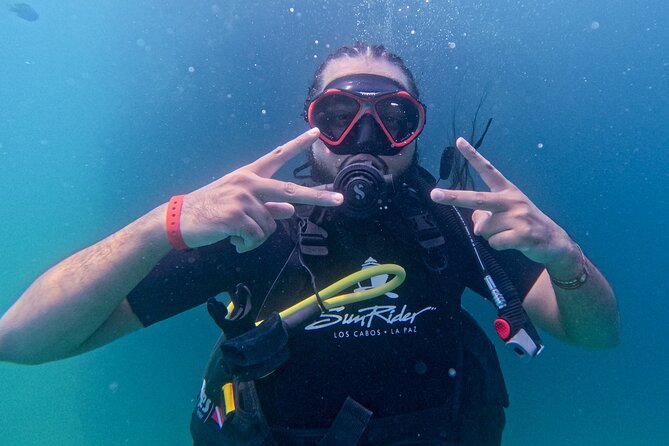
- Max 4 people keeps the course calm and coach-heavy, not rushed
- Confined-water skills first (1 session in confined space) helps you build confidence before open water
- Sea of Cortez open-water sessions give you the real setting behind the certification
- Gear + snacks + lunch included via Scubaja, so you travel lighter
- Coaches who explain skills tests clearly can be a huge help if you feel nervous
SSI Open Water Diver in Cabo San Lucas: what the 3 days really teach you
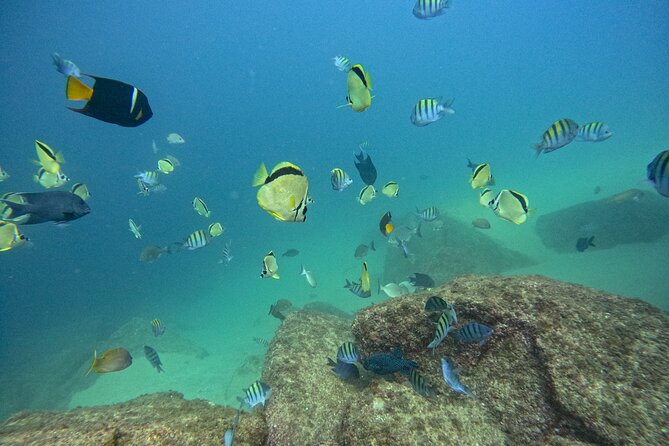
This course is designed to take you from first-time uncertainty to controlled underwater comfort—step by step, not all at once. You’ll move through video presentations, theory, and practical lessons, then apply it during your course water sessions. The goal is simple: learn the skills in a way you can repeat, even when you’re not with the instructor.
What makes this course feel practical is the pacing. Instead of only “being in the water,” you work skills on purpose—things like communication, buoyancy control, and basic procedures—so when it’s time to be in open water, you’re not guessing. That’s the real difference between a fun trip and training that actually sticks.
Another smart point: the certification you earn is the first professional level for scuba, and it allows international diving up to 18 meters. Even if you only want this once right now, that opens the door for future trips without starting from scratch.
You can also read our reviews of more tours and experiences in Cabo San Lucas.
Training set-up with Scubaja: gear, snacks, and a small-group pace
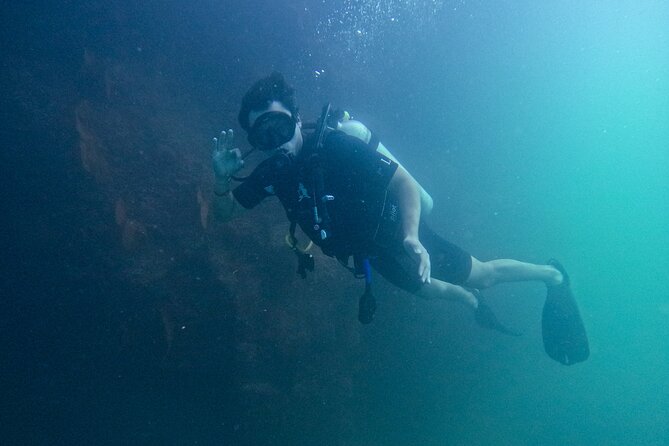
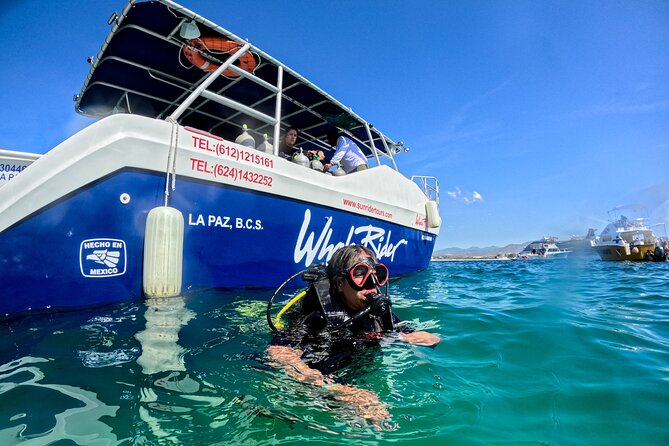
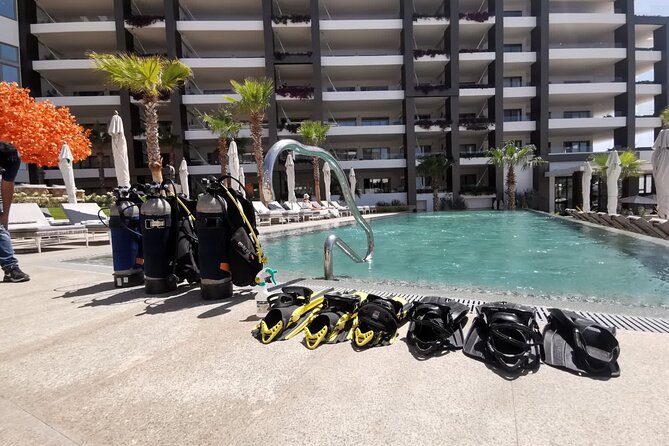
Sunrider Tours (working with Scubaja) takes care of much of what usually makes courses feel like a production. The price includes use of SCUBA equipment, plus study material, fresh fruit and cookies, and bottled water. Lunch is also included.
Why that matters: a beginner course goes better when your brain isn’t distracted by logistics. You don’t want to spend your energy figuring out what tank to rent or where to find the right adapter. Here, the equipment is handled, and you can focus on learning and staying comfortable.
The group size is also key. With a maximum of 4 travelers, you’re less likely to get lost in a crowd. In a small class, instructors can watch for tiny issues—like how you’re breathing or where your attention goes—then correct them before they become habits.
Language is another plus: it’s offered in English, which is helpful if you want your training explanations to be direct and easy to follow. And the meeting point is at Sunrider Tours in Centro Marina, which is a straightforward start for a morning session.
Confined skills first, then open-water practice at the Sea of Cortez
The course includes 4 water sessions total, with 1 in confined space. Then you have open-water sessions in different locations over the three days, including open-water training at the Sea of Cortez.
That confined-space session isn’t there to “check a box.” It’s the safety bridge between reading about scuba and actually doing it. You’ll get to practice the core skills in a controlled environment, which is a relief if you’re nervous. In multiple experiences shared by families and students, instructors were described as patient and focused on building comfort before pushing forward.
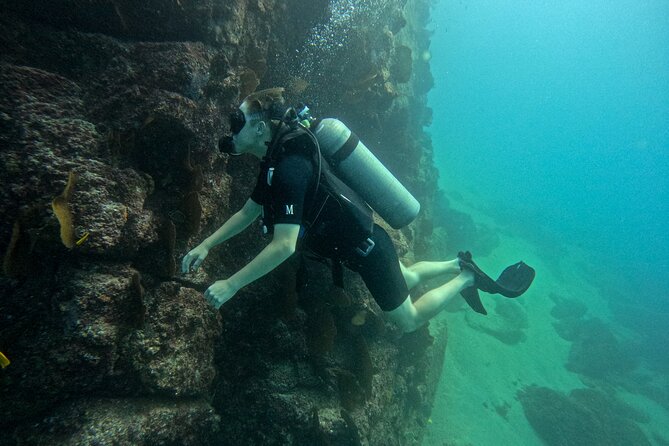
Once you move into open water, the training becomes more “real-world.” Water movement, visibility changes, and the fact that you’re further from the edge all make practice matter. The course design works because you’re not thrown into the deep end—your skills come first, then the ocean.
A practical tip: if you’re at all unsure, don’t treat the first day like a warm-up you can coast through. Treat it like the foundation. The best open-water outcomes come when you learn how to control your breathing, your buoyancy, and your equipment checks while you still feel supported.
Underwater locations: fish life, Pelican Rock chaos, and what to expect
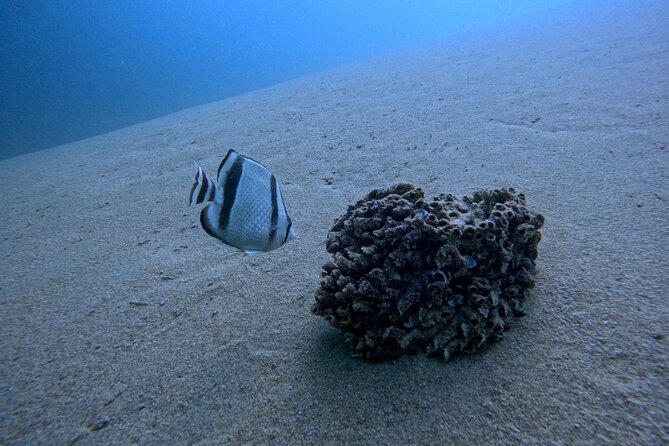
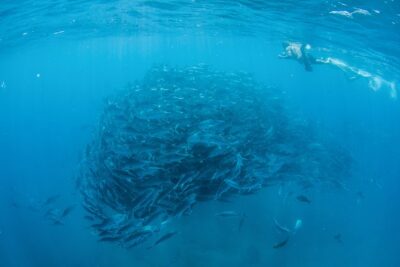
The Sea of Cortez is a big reason people come to Cabo for underwater experiences, and this course specifically includes open-water sessions there. In one shared experience, an adult couple doing additional two-tank training on a later day reported lots of fish life, including their first guitarfish. That’s a reminder that even if you’re learning basics, you’re still likely to see real marine action.
Another helpful detail: one experience mentioned Pelican Rock and lots of boats around. In that situation, the captain—Jaime—helped keep everyone safe while traffic was heavy. This matters for beginners. It reduces stress because you’re not wondering if your boat team has everything under control.
What you can take from these details:
- You’ll likely see plenty of fish even during a beginner certification course.
- Boat traffic can be a factor, so a good captain and clear procedures matter.
- The instructor experience influences how comfortable you feel while you learn.
Instructors and crew: patience that turns nervous into confident
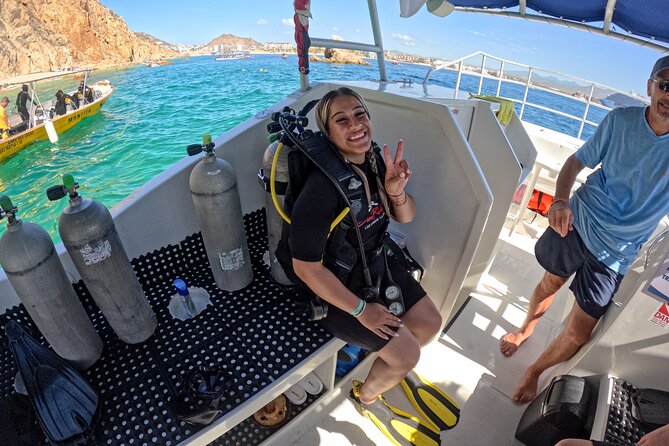
Instruction quality is the heart of this course, and the names that show up in feedback are a big part of why people recommend Sunrider Tours.
- Angelo is credited with being through and patient, and with explaining the skills tests clearly. That kind of explanation reduces fear, because you know what you’re being evaluated on and why.
- Camila helped a granddaughter finish her SSI Open Water course after initial nerves. The highlight was that Camila put her at ease and the student felt comfortable by the second day (described as the fourth dive in that experience). Calm, step-by-step coaching matters when someone is anxious.
- Rogelio was described as professional and thorough, making a beginner student feel comfortable quickly.
- Armando is praised for making a student feel super comfortable and safe at all times, with skills practiced patiently and each underwater session described as different.
- The captain Jaime is repeatedly mentioned for safety and good handling, including in boat-heavy conditions near Pelican Rock.
You don’t need to memorize every name, but you should care about the pattern: these instructors don’t just run the course—they teach it in a way that reduces panic. For a beginner, that can be the difference between “I survived this” and “I actually want to do it again.”

Price and value: $555 plus two cash-only fees
The course price is $555 per person, and it’s not just a ticket. You get gear, study material, 4 water sessions (including 1 confined-space session), plus snacks, fresh fruit, cookies, bottled water, and lunch.
In other words, the $555 covers a lot of the usual “hidden” costs that make lessons feel expensive once you arrive. You’re not paying separately for basic equipment or food.
Then there are the two extra fees you should plan for:
- Dock fee: $5.00 per person (cash only)
- Park access fee: $8.00 per person (cash only)
So your realistic total usually lands around $568 before any optional spending, assuming the fees apply to you as stated. It’s not a deal-breaker, but it’s a good one to remember so you don’t get surprised at the dock.
If you’re comparing options, don’t only compare the base price. Ask what’s included and what requires additional cash. Here, a meaningful chunk is already handled for you.
Where the morning schedule helps—and where it can feel annoying
The activity window shown for 2026 is Monday through Saturday, 8:30 AM to 12:30 PM. The course is listed as 3 days (approx.), so you’re working within morning hours most days.
The upside: you get your learning done early, and the rest of your day is still open for exploring Cabo. The downside: you’ll want to be ready to move fast—early starts can be harder if you’re staying farther from the Marina area or if you’re not naturally a morning person.
Also note: confirmation is provided at booking time except when you book within two days of travel, in which case you receive confirmation within 48 hours subject to availability. That matters if your schedule is tight.
Who should book this Open Water Diver course (and who should wait)
This course is a strong fit if:
- You’re new to scuba and want structured training with theory, video, and practical lessons.
- You want small-group attention (max 4) instead of feeling like a number.
- You’re nervous and need an instructor who explains skills clearly and moves at a comfortable pace (names like Angelo, Camila, Armando, and Rogelio are known for that style).
- You’re looking for an SSI credential with international recognition up to 18 meters.
You might think twice if:
- You’re very sensitive to early starts or prefer a full-day outing.
- You strongly dislike cash-only fees, since dock and park fees are listed as cash only.
- You don’t have moderate physical fitness. The course indicates a moderate physical fitness level is needed.
If you’re already experienced (like AOW divers described doing two-tank sessions during a course-related trip), you may still enjoy the underwater locations. But your main “value” as an experienced diver comes down to whether you want the learning course experience or just the underwater sites.
Should you book this Sunrider Tours Open Water Diver course?
I think this is a smart booking if you want a beginner certification that feels organized and supportive. The strongest reasons are the teaching style and the small group size. When instructors are described as patient, safety-minded, and clear about skills tests, that’s exactly what you want when your brain is learning a new set of procedures.
Also, the value math is friendly. You’re not just buying a certification stamp; you’re getting equipment use, study material, multiple structured sessions, and meals/snacks. The only real “extra” surprises are the cash-only dock and park fees, which you can handle easily if you plan a few bills in advance.
If you’re choosing between courses in Cabo, I’d treat Sunrider Tours as a top contender—especially if you care about being taught calmly. If your biggest fear is not understanding the steps, not knowing what to expect, or feeling rushed, this setup is built to reduce those problems.
FAQ
FAQ
What certification do I earn?
You earn the SSI Open Water Diver certification, which is the first professional level and allows you to dive internationally up to 18 meters.
How many sessions are included in the course?
The course includes 4 water sessions total, with 1 in confined space, plus open-water sessions at different locations including the Sea of Cortez.
What’s included in the price?
Included are study material, use of SCUBA equipment, snacks (fresh fruit and cookies), bottled water, and lunch, along with the course sessions.
What fees are not included?
Two fees are not included: a dock fee of $5.00 per person and a park access fee of $8.00 per person. Both are listed as cash only.
What language is the course taught in?
The course is offered in English.
How long is the course and when does it run?
The course is listed as 3 days (approx.), and the operating hours shown for 2026 are Monday to Saturday, 8:30 AM to 12:30 PM.