REVIEW · LOS CABOS
Los Cabos 3-Hour Certified Scuba Diving Tour
Book on GetYourGuide →Operated by Cabo Adventures · Bookable on GetYourGuide
Cabo’s underwater sites feel unreal, even on a short schedule. I like the way this tour packs two tank sessions into about 3.5 hours, with a small group size (up to 6) that keeps things calm and personal. I also love the mix of scenery you’re likely to see: shipwrecks, caves, reefs, and even sand falls, plus the chance for stingrays, turtles, and eels. One thing to plan for: equipment rental is extra (40 USD per person), and there’s also a 2 USD dock fee at check-in.
I’d call this a “good-structure” experience. You get a guided boat cruise, a safety briefing, and an instructor-led approach designed for certified beginner divers, not hardcore technical stuff. The Sea of Cortes can be spectacular in the right months, with visibility that can exceed 100 feet and warm water around 78–85°F.
If you’re sensitive to medical limits, double-check the rules before you book. This activity isn’t suitable for people with certain health conditions, and you’ll be asked to meet PADI medical requirements and sign a waiver.
In This Review
- Key highlights worth knowing before you go
- Sea of Cortes in a half-day: what you’re really buying
- Getting there fast: pickup options and the van ride
- Two underwater stops: what those site names tell you
- What you can see: marine life, plus how to spot it
- Sea conditions and season: when the water is most rewarding
- The boat and the human factor: why small groups matter
- How the itinerary flows (and what to pay attention to)
- Price and extras: where the real cost can land
- What to bring (so your day stays easy)
- Medical rules and who should skip this
- When this tour is the right fit
- Should you book Los Cabos 3-Hour Certified Scuba?
- FAQ
- How long is the Los Cabos certified scuba tour?
- What’s included in the price?
- Do I need to rent equipment?
- Where do pickups happen?
- Do I need my certification card?
- Is this tour suitable for children or pregnancy?
Key highlights worth knowing before you go
- Two tank sessions near Cabo San Lucas: you’ll hit varied underwater sites instead of repeating the same spot.
- Sea of Cortes visibility and warmth: June to December often brings the best combo of clear water and calm conditions.
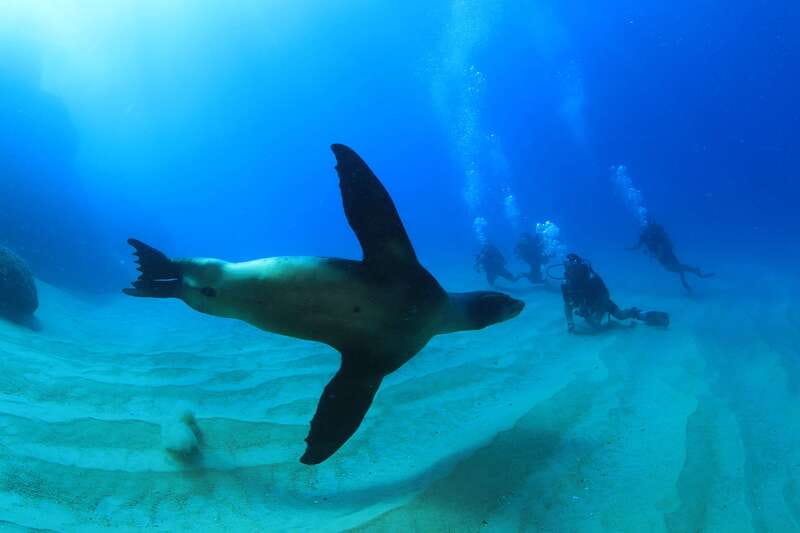
- Big-picture variety under the surface: shipwrecks, caves, reefs, and sand falls all show up as possible scenery.
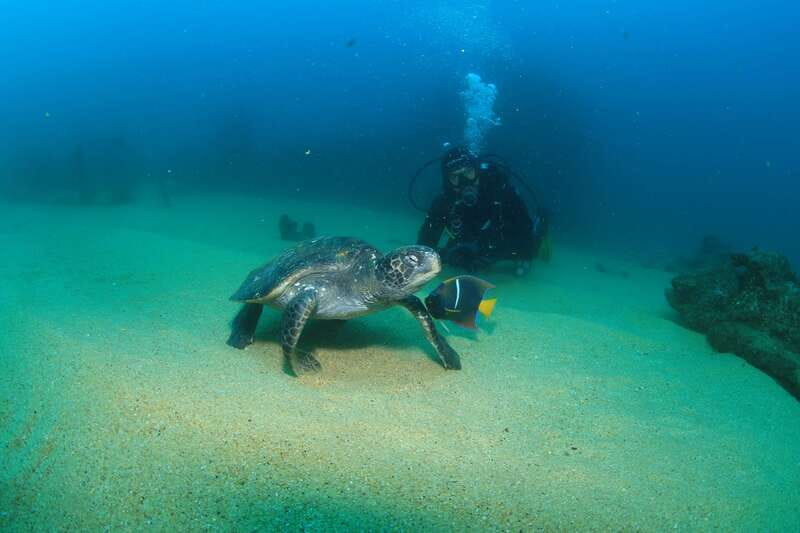
- Wildlife moments you can actually spot: tropical fish, eels, stingrays (sometimes), and turtles (sometimes).
- Small group experience: limited to 6 participants, which usually means less rushing and better attention.
- Organizer-friendly setup on the boat: pickup timing and boat cleanliness/organization come through strongly in past customer feedback.
Sea of Cortes in a half-day: what you’re really buying
This tour is built for people who want a real scuba experience without losing a whole day to logistics. You’re looking at about 3.5 hours total, and the core of it is two separate underwater sessions led by your guide. That structure matters more than you might think.
First, two sessions gives you more chances to make the most of the conditions. If visibility is great early, you’ll enjoy that twice. If one site is calmer or has better light, the second site can still deliver something fresh.
Second, it’s designed for certified beginner divers. That means you should expect guidance focused on controlled, safe underwater time rather than long technical targets. In plain terms: you’re there to see wildlife and formations, not to chase complicated problems.
The overall vibe is also practical. You’ll do a safety briefing, go out by boat, and then follow the plan at the water. It’s not a “free swim and hope for the best” setup.
You can also read our reviews of more scuba diving tours in Los Cabos
Getting there fast: pickup options and the van ride
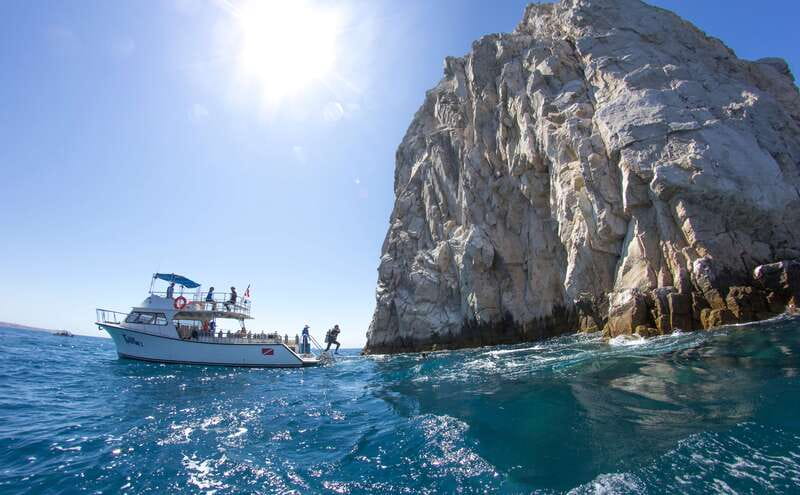
You can start from either San José del Cabo or Cabo San Lucas. The operator uses a van (about 1.5 hours), then you move to the boat portion. That van leg is part of the value: it reduces your stress and keeps you from having to coordinate your own transport to the departure point.
Look for a white Cabo Adventures van. It’s a small detail, but it saves time when you’re tired from travel and trying to match faces to instructions.
Two pickup locations also help if you’re basing yourself in different parts of the Cabo corridor. If you’re staying in the Cabo San Lucas area, you won’t be forced into a long cross-town trek. If you’re closer to San José del Cabo, the pickup avoids the reverse problem.
Two underwater stops: what those site names tell you
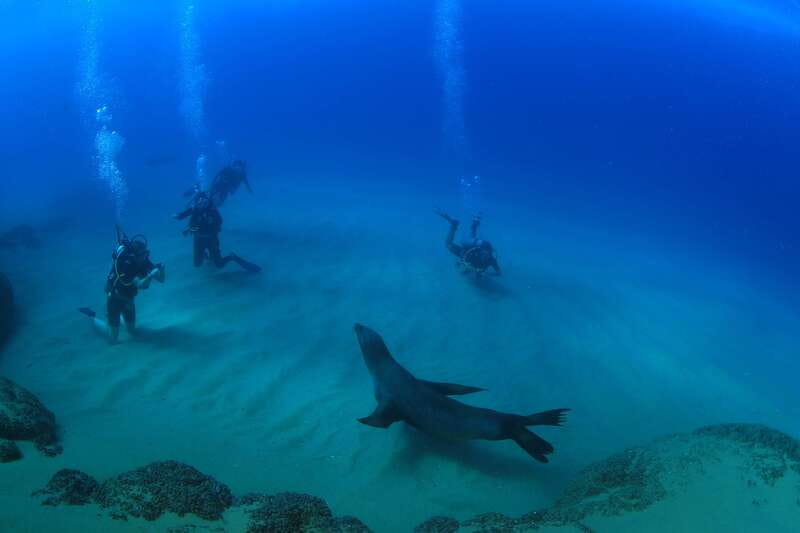
This experience is built around the idea that the underwater world near Cabo San Lucas isn’t one-note. Instead of repeating the same reef, you’re set up for a range of features. The operator highlights several favorite sites that are commonly used for beginner-friendly conditions, including:
- Pelican Rock
- Land’s End
- Neptune’s Finger
- North Wall
- Sand Falls
What you should take from those names is variety in terrain.
Pelican Rock and Neptune’s Finger are the kind of places where you’ll often see rock structure close to the surface. That’s useful for beginners because you can concentrate on buoyancy and breathing while still enjoying scenery.
Land’s End often suggests a different feel—more open water interaction and big-water presence nearby. That’s where you might notice current changes, which is exactly the kind of thing an experienced guide helps you read.
North Wall and Sand Falls point to deeper structure and more dramatic underwater “sets.” Sand falls are especially memorable because they look like the sea is quietly pouring sand from a ledge. Even if you’re focused on the mechanics of the dive, formations like this keep you engaged.
Also, the tour description specifically mentions that you’ll admire shipwrecks, caves, reefs, and sand falls. That’s your signal that you’re not just seeing flat coral gardens.
What you can see: marine life, plus how to spot it
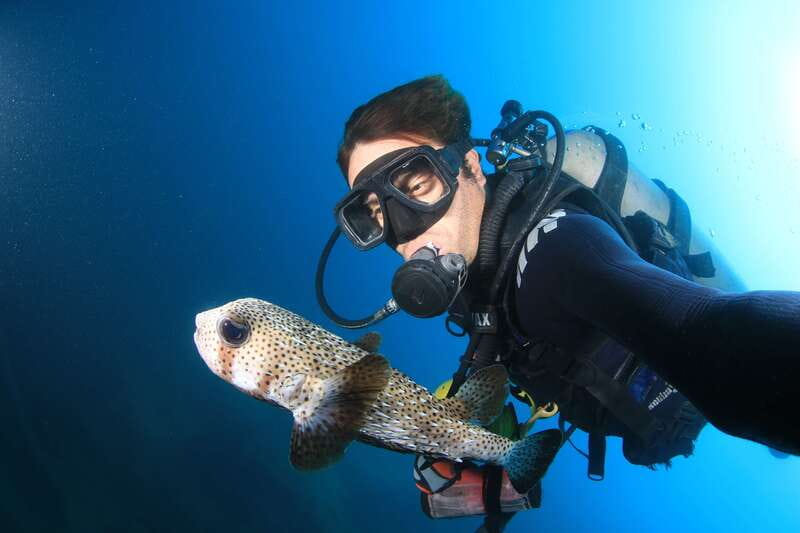
Wildlife is the headline here, but the best part is the realistic range of possibilities.
The tour lists wildlife you may encounter such as:
- tropical fish
- eels
- stingrays (sometimes)
- turtles (sometimes)
- mobula rays (sometimes)
- stingrays and rays passing by depending on conditions
- guitarfish (mentioned as a possibility)
It also calls out visual structure: swim next to huge boulders covered with sea fans, then look for sponges and gorgonian coral. That matters because it trains your eyes. Instead of hunting for animals only, you learn to notice the habitat they use.
Here’s a practical way to think about it underwater:
- Watch the rock and sand features first (sea fans, coral, sponges).
- Then scan the “in-between” areas—where fish move and where larger animals glide.
- When something larger appears, don’t chase. Let it come into your line of sight and keep your position.
You’ll likely see a mix of small-to-medium fish life plus the occasional “bigger moment,” like a turtle passing by or a ray sweeping through. The tour also notes that conditions are good all year round, with June to December typically offering better visibility and warmer water.
Sea conditions and season: when the water is most rewarding
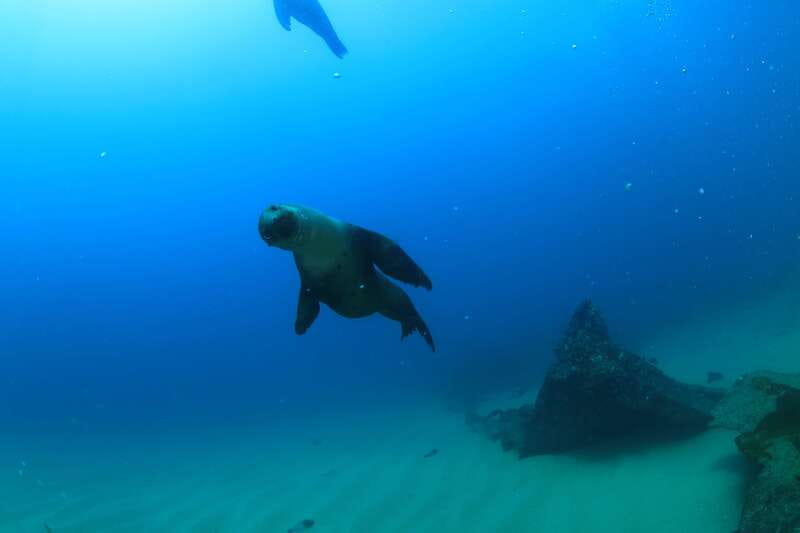
You don’t have total control over visibility, but you can choose the season that gives you the best odds.
The tour notes:
- June to December: greatest visibility, warmest water, and longer periods of calm weather
- Visibility can exceed 100 feet
- Water temperature averages between 78 and 85°F
That combination is a big deal for two reasons.
1) Comfort: Warm water keeps the experience from feeling rushed. If you’re not fighting cold, you stay present longer.
2) Confidence: Clearer visibility makes navigation easier for beginners and makes it easier to enjoy shipwrecks, caves, and sand falls.
If you travel outside June–December, you can still have a great time. “All year round” is stated, but the best numbers show up in those months.





The boat and the human factor: why small groups matter
This tour caps the group at 6 participants, and that changes the feel. It usually means:
- easier communication during the safety briefing
- less waiting around for gear checks
- a better chance that the guide can notice if someone needs a hand
Past feedback also emphasizes that the boat was clean and well organized and that pickup timing was on point. That points to a provider who respects your time and keeps the experience orderly. You’ll want that, because the schedule is tight and the water time depends on everyone being ready.
Language support is also part of the practical comfort here. The instructor/guide speaks Spanish and English, which helps if your diving certification came from one system but your confidence in underwater terms is in another language.
How the itinerary flows (and what to pay attention to)
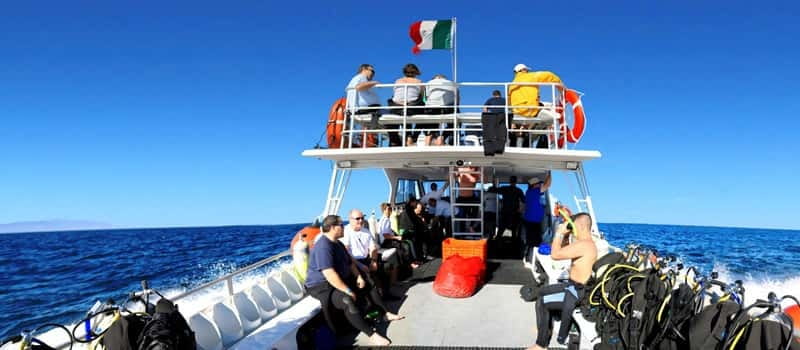
You’re looking at three main phases: pickup/van ride, boat cruise with briefing, and the two underwater sessions.
1) Pickup and van ride (about 1.5 hours)
This is where you should use the time to get set for sun and water. Bring what you need so you’re not improvising at the dock.
2) Cabo San Lucas boat portion
Once aboard, you’ll get:
- a safety briefing
- a guided outing
- time to enjoy the marine environment from the water as part of the experience (marine life viewing and wildlife viewing are part of the program)
- then you move into the underwater sessions
3) Two tank sessions
You’ll do two underwater stops at varied sites. The guide is there for route planning underwater, safety, and helping you see the features and wildlife you came for.
The only real “watch-out” in the flow is that the entire day is short. That means you’ll want to eat and hydrate beforehand, and you’ll want your gear ready quickly so everyone stays on track.
Price and extras: where the real cost can land
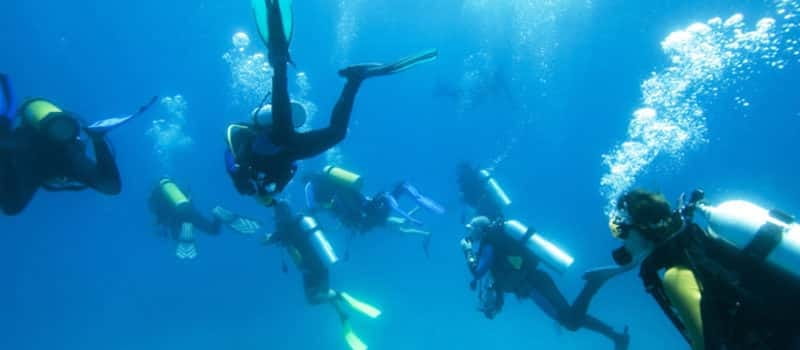
At 129 USD per person, the price isn’t just “getting on a boat.” It includes:
- a professional scuba guide
- 2 tank underwater sessions
That’s the backbone value.
But you should budget for extras. Not everything that affects your final bill is included:
- Equipment rental: 40 USD per person
- Optional photos (extra cost, not priced here)
- Towels are not included
- A 2 USD dock fee per person is required at check-in
- There’s also mention of a 10 USD per person round-trip transportation fee (5 USD for children), even though pickup is offered at selected hotels
How to think about value:
- If you bring your own gear, the tour price looks more straightforward because you avoid the equipment rental.
- If you need rental gear, your effective cost becomes higher, but you’re still getting two guided underwater sessions within a half-day time window.
Also consider the tradeoff: paying for rental can still be cheaper than lugging extra luggage through airports. If you’re flying in, rental often makes sense.
What to bring (so your day stays easy)
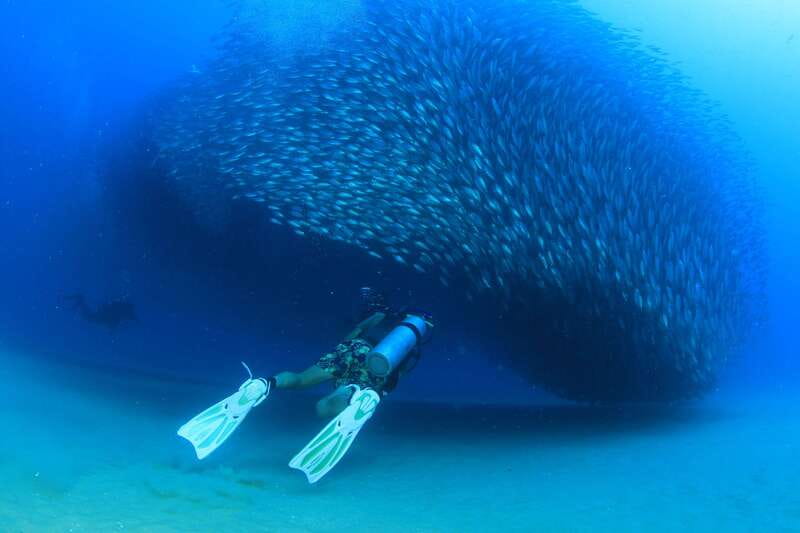
The tour lists a simple packing set. Bring:
- Passport or ID card
- Sunglasses
- Swimwear
- Towel
And because towels aren’t included, don’t count on a last-minute fix. You’ll get wet, you’ll be in the sun, and you’ll want to dry off without hunting around.
If you plan to rent equipment, wear gear that plays nice with rental fins and a rental mask/BCD setup. The goal is comfort and less fiddling during short time windows.
Medical rules and who should skip this
This is important. You’ll be asked to meet PADI medical requirements and sign a waiver.
The tour also says it’s not suitable for:
- children under 12
- pregnant women
- people with heart problems
- wheelchair users
- people with diabetes
- people with recent surgeries
If you’re unsure about medical eligibility, don’t gamble. Use the PADI medical requirements as your starting point. If a condition is borderline, it’s worth checking before you spend money on a non-refundable plan.
One more item that’s easy to overlook: you’ll need your scuba certification card. The guide needs to see it at each underwater stop, so keep it in an easy-to-reach spot rather than buried in a bag.
When this tour is the right fit
I’d point you toward this tour if:
- you’re certified beginner and want two structured underwater sessions
- you want a mix of features like shipwrecks, caves, reefs, and sand falls
- you care about seeing wildlife like tropical fish, eels, and the chance of turtles or stingrays
- you like a small group setup that keeps the experience organized
I’d also say it fits well if you’re time-limited. You’re in and out within about 3.5 hours, and the ride + boat time means you don’t waste half a day driving around.
It’s not a match if you fall into the stated medical/safety categories, or if you need wheelchair-friendly access as listed.
Should you book Los Cabos 3-Hour Certified Scuba?
If your goal is a well-run, beginner-friendly scuba experience with real variety, I think this is a strong choice. Two tank sessions for 129 USD, plus a small group and a guide-led approach, gives you good odds of enjoying the Sea of Cortes in a short window.
Book it if you’re prepared for the extras (possible rental gear, dock fee, and bringing your own towel), and if you’re eligible under the PADI medical rules. Skip it if you’re in any of the listed non-suitable categories or if you’re unsure about certification documentation—because the guide will check it at each underwater stop.
If you’re aiming for maximum comfort, try to plan for June–December for warmer water and better visibility.
FAQ
How long is the Los Cabos certified scuba tour?
The tour duration is listed as 3.5 hours.
What’s included in the price?
The included items are a scuba guide and 2 tank underwater sessions.
Do I need to rent equipment?
Equipment rental is not included. The onsite equipment rental fee is 40 USD per person, and towels are not included.
Where do pickups happen?
Pickup is available at selected hotels in either San José del Cabo or Cabo San Lucas. The van is described as a white Cabo Adventures van.
Do I need my certification card?
Yes. You must bring your scuba certification card and show it to the guide at each underwater stop.
Is this tour suitable for children or pregnancy?
No. It is not suitable for children under 12 or for pregnant women.
If you want, tell me your travel month and whether you’ll bring your own gear. I can help you estimate the most realistic total cost and what to prioritize for comfort.