REVIEW · CABO SAN LUCAS
Los Cabos 2 tanks dive to The Corridor (Certified divers)
Book on Viator →Operated by Sunrider Tours · Bookable on Viator
Two tanks and big marine energy. Around Cabo San Lucas, this Sea of Cortez route puts certified scuba people on classic rock-and-wall sites where currents feed a surprising mix of fish, sharks, rays, and sea lions.
I especially like the small-group feel (max 8) and how the guides keep the plan clear so you’re not guessing underwater. Names like Angelo and Camila keep showing up for a reason: safety-first guidance and a laid-back, organized day.
One thing to plan for: there are extra cash-only fees at the dock and the marine park, plus a 24-hour surface interval before flying to altitude.
In This Review
- Key things I’d plan around
- Why the Corridor area is a standout for Sea of Cortez wildlife
- The 4-hour rhythm: what the timing feels like
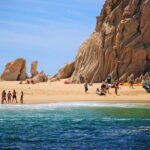
- El Arco de Cabo San Lucas: a scenic breather between tanks
- Tank one at around 60 feet: how to make the most of your time
- Tank two: shallower water, different momentum
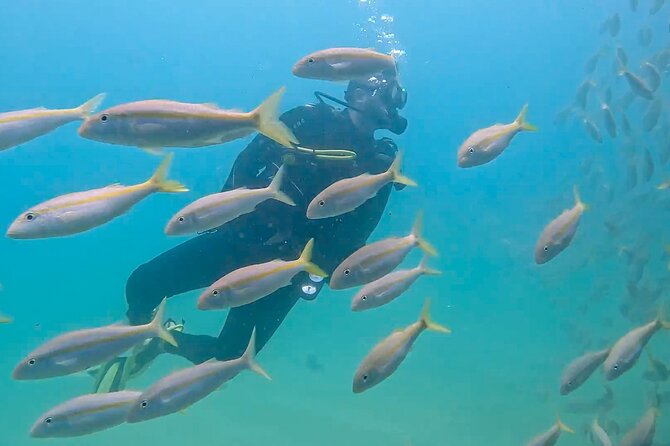
- Marine life you’ll want your guide to scan for
- Price and value: what $147 covers (and what to budget for)
- Who this trip suits best (and who should reconsider)
- Should you book this two-tank Corridor outing?
- FAQ
- What’s the duration of this experience?
- How much does it cost, and what’s included?
- What fees are not included?
- Do I need to be a certified scuba diver?
- How deep are the dives, and how long are they?
- Is the tour offered in English?
- Is there a recommended wait period before flying to altitude?
Key things I’d plan around
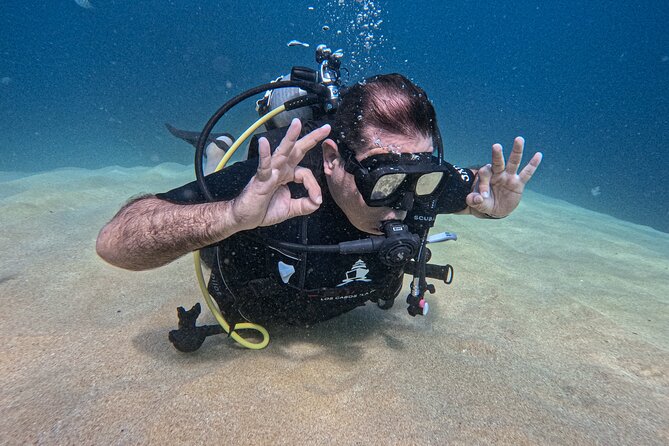
- Small group size (max 8) helps you get real attention on buoyancy, timing, and safety checks.
- Two tanks with a smart pacing: a deeper first session around 60 feet, then a shallower second one.
- El Arco during the surface break gives you a fast, scenic reset between underwater moments.
- Extra cash fees: dock fee ($5) and park fee ($8), both cash only per person.
- English-led with a modern, comfortable boat setup that includes snacks, water, and a restroom.
Why the Corridor area is a standout for Sea of Cortez wildlife
Cabo San Lucas sits where ocean currents mix, and that mixing matters. The local waters feed the “World’s Richest Sea” idea for a reason: lots of fish species plus plenty of invertebrates. In plain terms, it means your chances of seeing different kinds of marine life in one outing tend to be better than in calmer, less-connected water.
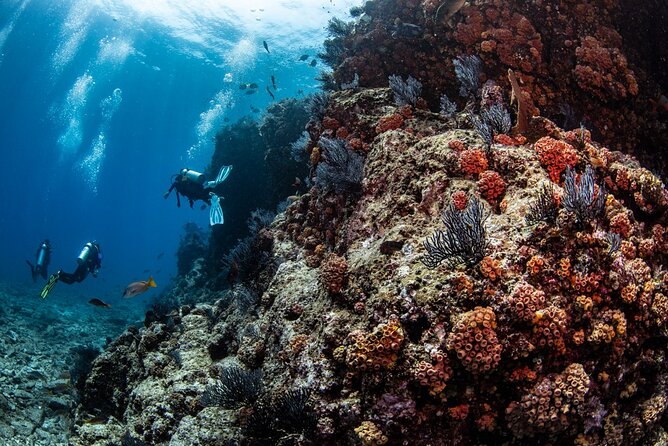
This trip focuses on The Corridor’s underwater variety, and that variety is built into the site options. You can look toward Land’s End for the classic meeting of Sea of Cortez and the Pacific, with fish, barracudas, and manta rays often part of the picture. Other areas on the route—Middle Wall and North Wall—are more about wall life and the small stuff that moves between rock and sand: octopuses, crabs, sea urchins, and seahorses are the kind of sightings you’ll want your guide to scan for.
Then there’s Pelican Rock, close to the marina (about 20 minutes out). That’s a good fit if you want more action near the start: manta rays, turtles, goatfish, trumpet fish, plus playful sea lions.
The big “value” behind all this isn’t just the animal list. It’s that the sites cover different underwater neighborhoods. You’re not doing the same view twice.
You can also read our reviews of more scuba diving tours in Cabo San Lucas
The 4-hour rhythm: what the timing feels like
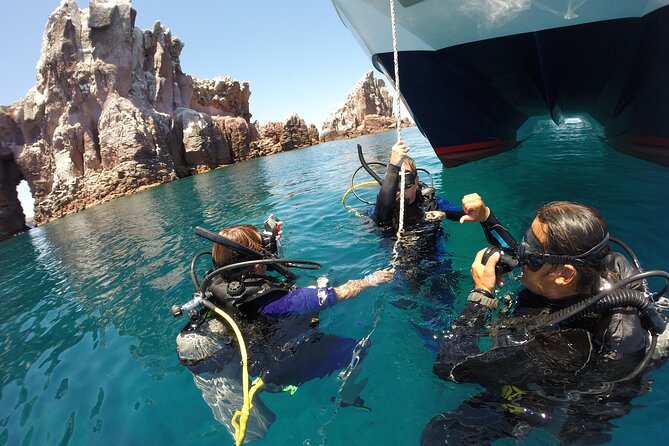
This experience runs about 4 hours total, and the day is structured so you’re not stuck in a long, boring transit loop. You’ll meet at Sunrider Tours near the Marina area (Sunrider Tours, Blvd Marina S/N | Int Gali Plaza Local No. 41, Centro, Marina, 23450 Cabo San Lucas, B.C.S., Mexico), and you’re back at the same spot when it’s done.
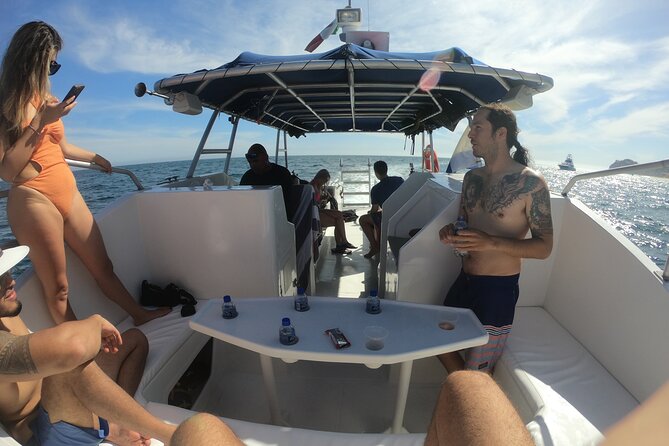
You’ll get snacks and water onboard, plus bottled water and access to a restroom on board. That sounds basic until you’re actually on a boat. It helps keep energy up so you’re not rushing your gear or your body before the first tank.
For most people, the flow works like this:
- First underwater session: average depth around 60 feet, typically 30 to 45 minutes, with air permitted.
- Between sessions: you’ll be on the surface long enough to do a quick pass for the arch at El Arco de Cabo San Lucas.
- Second underwater session: shallower than the first, so your overall day pacing feels manageable.
You’ll also want to treat the schedule like a safety tool, not just a plan. If you’re organized on the surface—breathing steady, keeping up with instructions—you’ll get a smoother experience underwater.
El Arco de Cabo San Lucas: a scenic breather between tanks
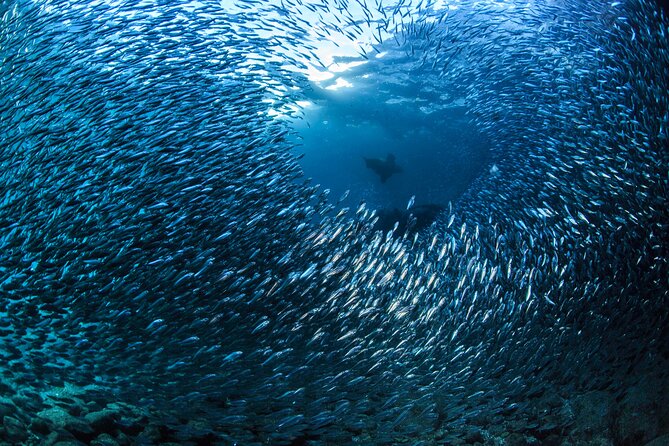
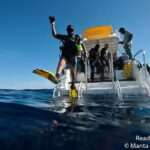
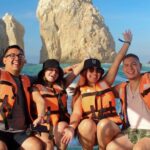
There’s a reason this stop is included: it breaks the day up in a way that feels good. After the first tank, the boat does a quick tour for El Arco de Cabo San Lucas before heading back into the second (shallower) underwater session.
This “surface break” is practical. It gives you time to reset your gear, hydrate, and shake out your shoulders before the next underwater timing. It also turns the outing from a straight shot of equipment prep into a real Cabo moment—sun on your face, the rock formations overhead, and a clear sense of where you are.
If you’re the kind of person who worries about losing the plot between underwater moments, this stop helps. You get a visual landmark, so the day feels anchored.
Tank one at around 60 feet: how to make the most of your time
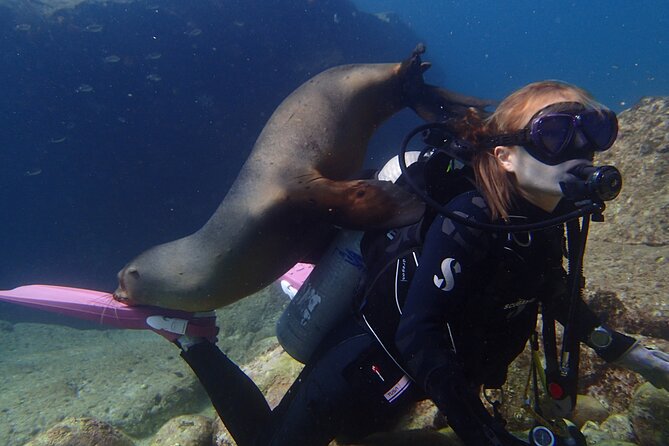
The first tank is typically the longer, deeper one: an average depth around 60 feet with sessions lasting 30 to 45 minutes. That depth range usually means you’ll spend real time working your buoyancy and watching rock texture and water movement.
Here’s what that should mean for you:
- Plan to keep your kicks short and controlled. At these depths, small adjustments are your best friend.
- Watch for motion in the water column. Many of the more dramatic sightings—like rays and larger fish—show up when you’re ready to follow gentle movement rather than chase it.
- Listen closely during the guide briefing. Clear plans are not just nice; they help you stay oriented when you’re focused on buoyancy and depth.
The site options associated with the route also matter for what you might see during tank one. Land’s End is where you’d expect the bigger-picture action—fish groups, barracudas, and manta rays—while wall areas like Middle Wall and North Wall are more about what hides in and around structure.
If your goal is to see a mix of “big animal” and “small detail,” tank one is often where that variety starts to show up.
Tank two: shallower water, different momentum
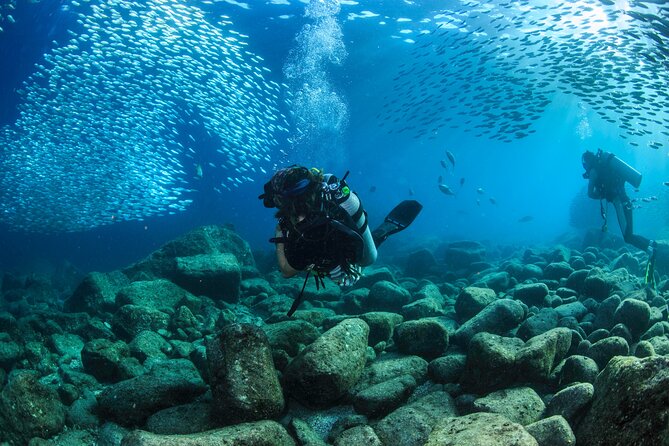
The second tank is done shallower than the first one. That choice tends to change the feel: you often get more time looking closely at the rock, and the overall experience can feel calmer, even if you’re still staying focused.
Second tank sites on this route can include options like North Wall and Pelican Rock. North Wall is a great place for the “counting critters” experience—things like octopus, crabs, sea urchins, and seahorses. Pelican Rock is more likely to bring playful sea lions into the mix, along with turtles and reef fish like goatfish and trumpet fish.
In other words, tank two often shifts from “finding the larger scene” to “enjoying the details and behavior.” That’s a good combo for certified scuba people who like both.


Marine life you’ll want your guide to scan for
This area is famous because currents bring life together. The route’s descriptions—and the guide focus people rave about—match that.
Here’s what I’d use as a mental checklist for the day. Not a promise, but a useful target list:
- Manta rays (especially tied to the Land’s End and Pelican Rock styles)
- Sharks like reef sharks and hammerhead sharks (often discussed as possible Corridor favorites)
- Whale sharks (not guaranteed, but part of the wider local wildlife reputation)
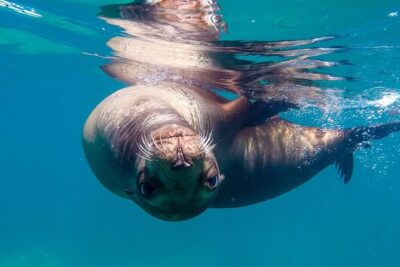
- Sea lions (playful encounters are specifically linked to Pelican Rock)
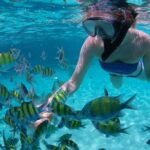
- Turtles and a variety of reef fish (parrotfish and puffer fish show up in the kind of sightings people highlight)
- Ceiling-to-rock life: octopus, crabs, sea urchins, and seahorses in wall areas
What helps you see more, in real life, is not speed. It’s patience and body control. If you’re stable and you stop hovering over one spot too long, you’ll catch more movement—schools of fish, a ray cruising through, or a critter peeking out when the water settles.
Also, choose your focus before you drop in. If you spend the first minute “searching,” you’ll miss the first wave of sightings. If you watch the direction of travel and the structure around you, you’ll start seeing patterns.
Price and value: what $147 covers (and what to budget for)
At $147 per person, the base price feels reasonable for a two-tank coastal outing—especially because key things are included:
- 2 scuba tanks
- snacks
- water and bottled water
- restroom on board
What’s not included is where you should do a little math:
- Rental equipment (not included)
- Dock fee: $5 per person, cash only
- Park fee: $8 per person, cash only
So your realistic planning number is $147 + $13 in cash-only fees, before any rental gear. That’s why I’d bring small bills. If you show up without cash for those fees, it can turn into an avoidable hassle.
Also think about value as attention time. Two tanks is a full chunk of underwater experience, and the max 8-person group limit helps you actually get coached, not just “sent in” with a quick wave.
Who this trip suits best (and who should reconsider)
This is built for certified scuba people, and the tour info also calls for a strong physical fitness level. So if you’ve got balance issues, significant breath-hold limitations, or you’re not comfortable with active boat movement, you’ll want to think twice and speak with the operator before booking.
It fits especially well if you:
- Want a classic Los Cabos mix of structure and wildlife (walls plus rock sites)
- Like small-group attention and a clear plan
- Are planning a short Cabo stay and want two underwater sessions without spending a full day driving around
It may be less ideal if you want a super laid-back, zero-activity outing. You’ll be working through gear, water entry, and two separate underwater windows.
Should you book this two-tank Corridor outing?
Yes, if your priority is a Sea of Cortez focused day with smart pacing, small-group attention, and a route that covers both wall life and rock sites like Pelican Rock. The included tanks, snacks, and water keep the day smooth, and the El Arco stop helps the timing feel like an actual sightseeing outing, not just transport.
I’d say hold off if you hate cash-only add-ons, don’t want to plan for possible equipment rentals, or you’re not confident in the physical demands. Also, if you’re flying soon, remember the guidance about a 24-hour surface interval before flying to altitude.
If you like structure, patience, and good guidance, this is the kind of Cabo scuba day that can genuinely feel worth the money.
FAQ
What’s the duration of this experience?
It’s about 4 hours total.
How much does it cost, and what’s included?
The price is $147. Snacks and water are included, along with 2 scuba tanks, bottled water, and a restroom on board.
What fees are not included?
Rental equipment isn’t included. There’s also a dock fee of $5 per person and a park fee of $8 per person; both are cash only.
Do I need to be a certified scuba diver?
Yes. This experience is for certified divers.
How deep are the dives, and how long are they?
The average depth is around 60 feet, and each underwater session lasts about 30 to 45 minutes. The second session is shallower than the first.
Is the tour offered in English?
Yes, it’s offered in English.
Is there a recommended wait period before flying to altitude?
Yes. Plan for a 24-hour surface interval after any scuba session before flying to altitude.