REVIEW · CABO SAN LUCAS
Half Day Guided Snorkel Tour in Los Cabos
Book on GetYourGuide →Operated by High Tide Los Cabos · Bookable on GetYourGuide
Starfish spotting starts fast in Los Cabos. This half-day guided snorkel puts you in the water at two top bays—Santa Maria and Chileno—with friendly English/Spanish guides who help you find sea life and stay comfortable. I love that you don’t need to figure anything out on your own: gear, life jacket, and a wetsuit if needed are part of the deal. You’ll also get snacks and a quick break, so the 3 hours feels like a real outing, not a rushed chore.
One thing to plan for is conditions. If you go later in the day, wind and chop can change how calm the water feels, especially in a spot like Chileno where calmer water is the whole point. The tour’s own tip is to start earlier—aim for the morning—because that’s when snorkeling usually feels easiest.
For families, this is a strong “try snorkeling” option because it’s structured, close to shore (no boat rides), and aimed at safe swimming. It’s also a good value when you want a guided experience without paying for a long full-day excursion.
In This Review
- Key things to know before you book
- Why Santa Maria and Chileno Bays Work for a Half-Day Snorkel
- What the 3-Hour Schedule Really Means on Your Morning
- Gear, Safety, and the Unsexy Stuff That Makes Snorkeling Better
- Santa Maria Bay: Craggy Cliffs and the First Wildlife Check
- Chileno Bay: Tidal Pools, a Finger Reef, and Calmer Water
- Hotel Pickup and Van Timing: Make the Morning Easier
- Price and Value: Is $95 Reasonable for This Tour?
- What to Bring (and What to Leave at Home)
- Who This Tour Suits Best (and Who Should Skip It)
- Tips to Get the Best Snorkel Conditions (Without Overthinking It)
- Should You Book This Half-Day Snorkel in Los Cabos?
- FAQ
- How long is the half-day guided snorkel tour?
- Which snorkeling spots do you visit?
- Do you go out by boat?
- What’s included with the ticket price?
- How does hotel pickup work?
- What are the age and health requirements?
- What days and times does the tour run?
- What should I bring, and can I bring a pet?
Key things to know before you book
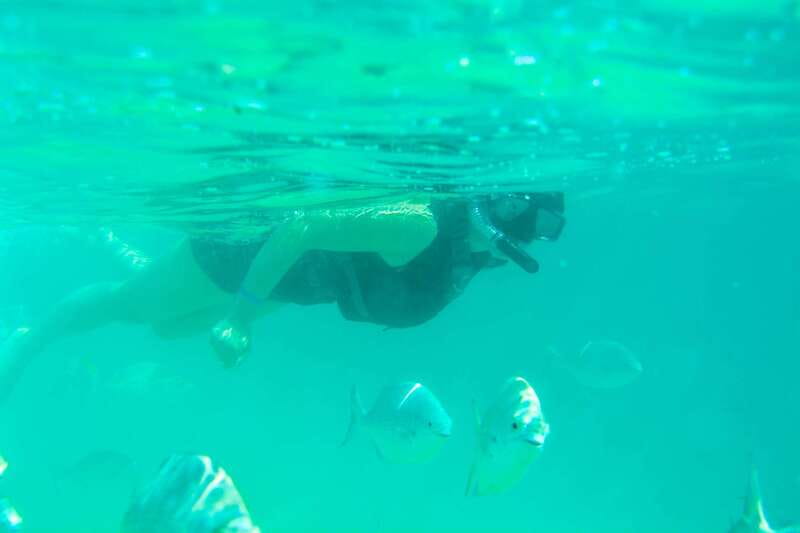
- Two bays in one half-day: Santa Maria first, then Chileno for a second round of spotting marine life.
- From the beach, not a boat: the tour keeps things simple and shore-based.
- Gear included: snorkel setup, life jacket, and a wetsuit if needed.
- Morning is smart: the 9 a.m. start is recommended when afternoons tend to be windier.
- Family-friendly, with limits: minimum age is 6; not suitable for pregnancy or back problems.
Why Santa Maria and Chileno Bays Work for a Half-Day Snorkel
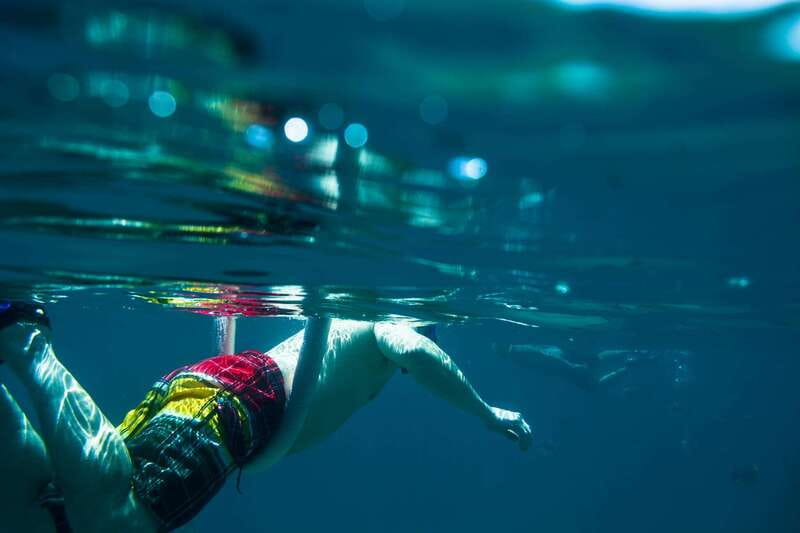
Los Cabos snorkeling is one of those activities where location matters more than you’d think. This tour focuses on two bays that are described as the safest and best for swimming and snorkeling, and that choice shows up in how the trip is designed: you spend about an hour at Santa Maria and about an hour at Chileno, with the rest of the time built around transportation and a break.
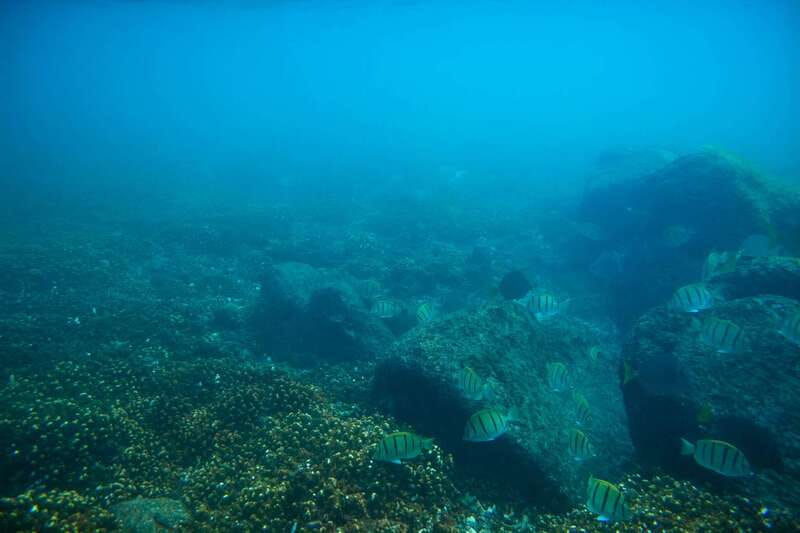
Santa Maria is set in a bay framed by craggy cliffs. That “rocky bowl” effect helps you stay in an area with interesting underwater structure—coral formations and rocky habitat—without having to travel far offshore. You’re also told it’s an ideal first snorkel stop, which makes sense if you’re pacing a group. People can get their bearings, learn how the guide wants everyone to snorkel, and then you move on.
Chileno Bay is the second act, and it’s a different kind of underwater show. The tour highlights tidal pools to explore and a finger reef that creates calmer, shallower water. If you’ve ever had snorkeling turn into a frantic swim just to stay upright, calmer water is a huge quality-of-life improvement.
You can also read our reviews of more guided tours in Cabo San Lucas
What the 3-Hour Schedule Really Means on Your Morning
This is sold as a 3-hour tour, but the timing makes it feel like a true half-day rather than a quick look. Here’s how it breaks down:
- A van ride connects you from your hotel zone to the snorkeling area (about 30 minutes).
- You snorkel at Santa Maria Bay for about 1 hour with the guide.
- Then you snorkel at Chileno Bay for about 1 hour.
- There’s a 30-minute break time in Los Cabos.
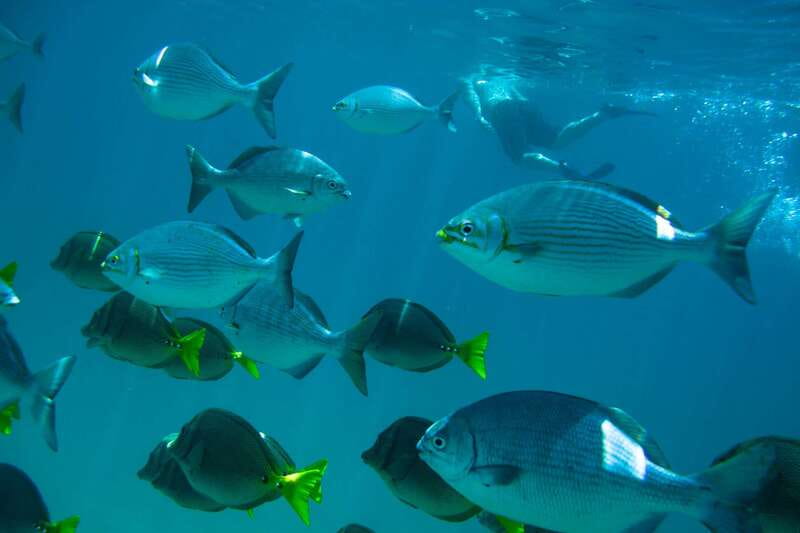
Because it’s only two snorkeling sessions, the guide can actually guide. Instead of trying to squeeze four stops into one morning, you get a more relaxed rhythm: gear up, learn the local rules of the water, and then focus on seeing things—starfish, urchins, and tropical fish—without the constant “next stop, next stop” pressure.
That also affects value. At $95 per person, you’re paying for two guided snorkeling windows plus round-trip transportation and the safety basics (life jacket and gear). You’re not just paying for access to water—you’re paying for someone to help you make it count.
Gear, Safety, and the Unsexy Stuff That Makes Snorkeling Better
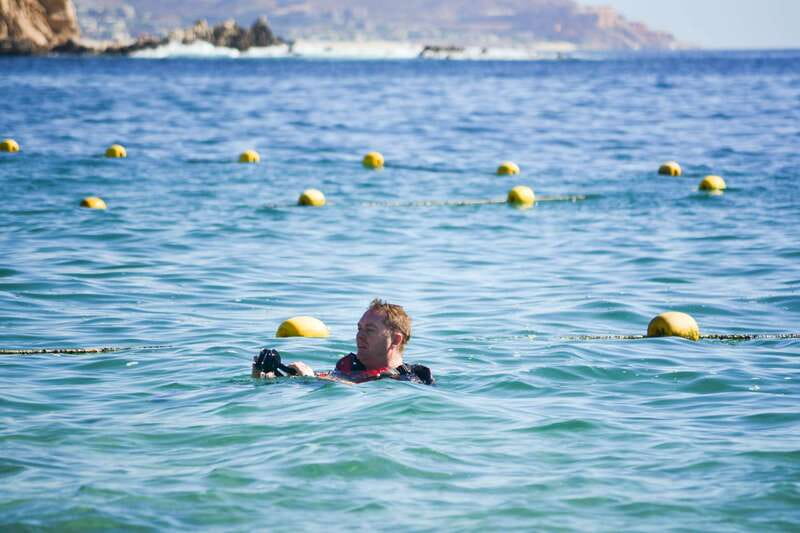
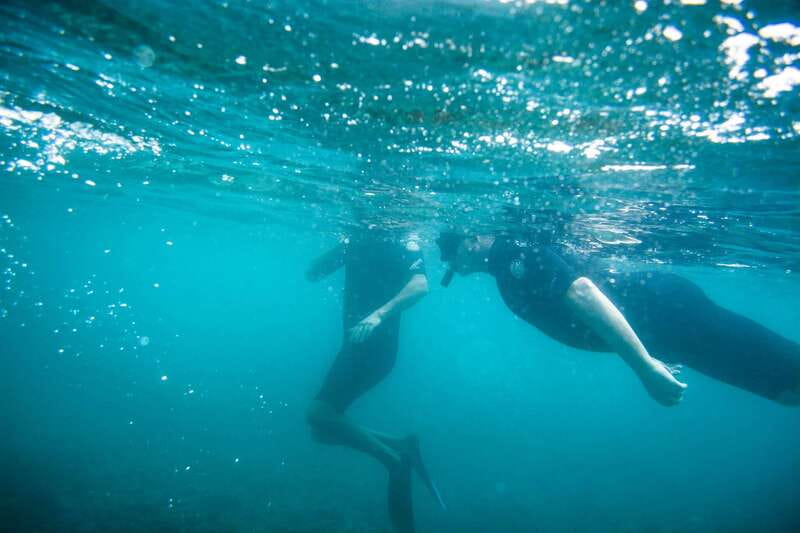
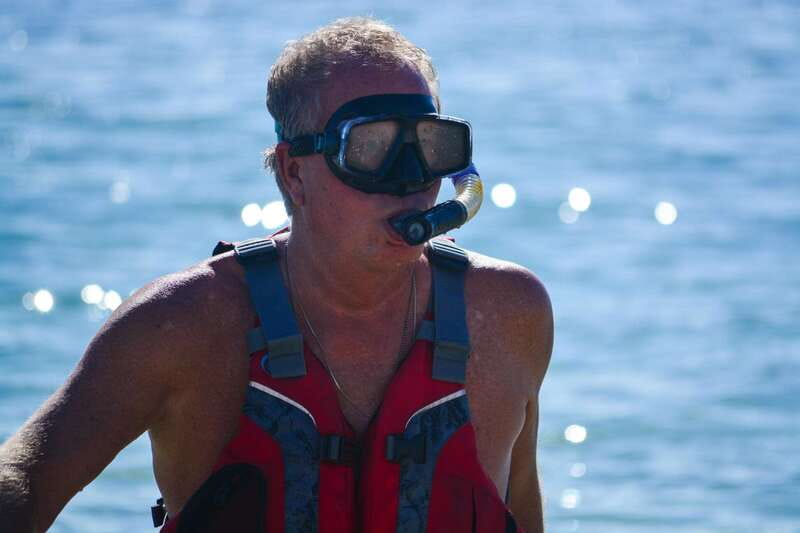
The included gear is basic in the best way: you get snorkel gear, a life jacket, and you’re also offered a wetsuit if needed. That last detail matters. Los Cabos can be sunny and warm on land, but water temps can still feel cool depending on the season and the day’s conditions.
You’ll also want to remember that this tour starts from the beach—no boat. That changes your safety equation. You don’t need to worry about getting in and out of a boat, but you do need to be ready for shore entry and getting your balance before you swim out.
One practical tip: inspect your mask before you go in. A couple of past issues were tied to mask cleanliness and, separately, to guide pacing and communication. You can’t control everything, but you can reduce your risk by doing your own quick check: fit first, then seal, then go.
Guide quality seems to vary by personality and day, but there are some names to watch for. Maury has been praised for spotting wildlife like turtles and giving a very hands-on experience. Maui has also been mentioned for showing starfish and sea urchins. If you’re the type who wants a guide who talks you through what to look for, those names are good signals.
Santa Maria Bay: Craggy Cliffs and the First Wildlife Check
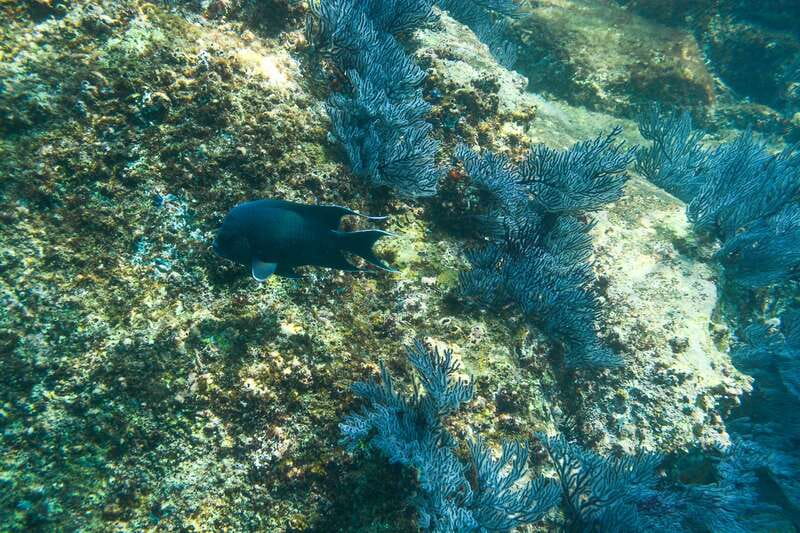
Santa Maria is your first snorkel stop, and the way it’s described tells me it’s meant to be approachable. The bay is surrounded by craggy cliffs, which helps shape the underwater area into something structured: coral and rock formations instead of plain open water. When you have structure, you have places for fish to hang out—and for creatures like starfish and urchins to be spotted.
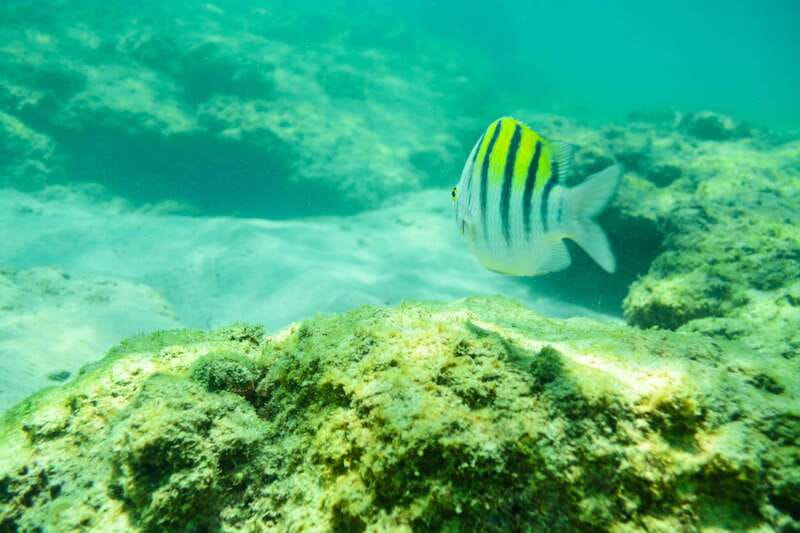
The tour sets expectations clearly: you’re there to see tropical and sub-tropical fish, along with starfish and urchins among coral formations. The guide’s job is to get you to the right places (and keep you from drifting too far). In places like this, current and depth can sneak up on you, so having someone watch the group helps.
This first hour is also your chance to practice being a snorkeler. You’ll likely find yourself spending time on basics like:
- staying calm and keeping your breathing smooth,
- adjusting the mask so it doesn’t leak,
- and learning where to focus your eyes so you’re not just staring at the surface.
If you’re new to snorkeling, Santa Maria is a smart start because the guide can get you comfortable before you move to Chileno’s calmer shallows and tidal pools.
Chileno Bay: Tidal Pools, a Finger Reef, and Calmer Water
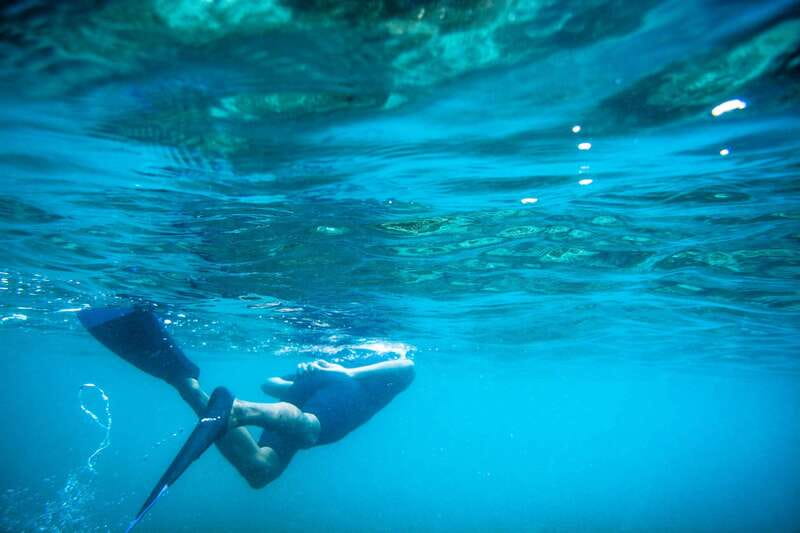
Chileno Bay is where the trip can feel especially rewarding, especially if you’re traveling with kids or you’re not a confident swimmer. The finger reef is specifically mentioned as creating calm, shallow waters, and the bay also has tidal pools you can explore.
That combo is a big deal. Tidal pools are usually where you can find the small, “oh wow” creatures without needing to swim deep. And shallow calmer areas make it easier to control your position. For families, that reduces the frantic scrambling that can happen when everyone has different comfort levels.
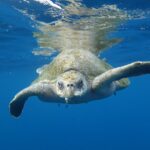
The underwater menu here is described as excellent for marine life—tropical fish plus the possibility of bigger sightings like turtles. You might also encounter eels. This is the kind of place where you get rewarded for looking slowly. Don’t rush past rock and crevices; that’s where wildlife tends to show up.
If your goal is to come home with a few clear memories—starfish, urchins, and bright fish in coral and rock—you’ll probably feel it most strongly at Chileno, because the water conditions are meant to be swimmer-friendly.


Hotel Pickup and Van Timing: Make the Morning Easier
Round-trip transportation is included, which is one of the main reasons this tour is worth considering. You don’t want to waste half of your precious half-day driving yourself, parking, and hunting down a meeting point.
Pickup is available in San José del Cabo, Cabo San Lucas, and the corridor, and your confirmation includes a set of pickup options. In practice, that means you’ll likely get picked up near where you’re already staying rather than having to trek across town.
That said, one caution keeps coming up: timing can be confusing. A couple of people reported the van arriving earlier than what their confirmation suggested. The fix is simple: confirm your pickup time the day before, especially if your tour starts at 9 a.m. and you’re trying to keep the morning calm for kids.
Also, remember the tour is structured. If you miss the pickup window, your half-day becomes a very different day. Think of the pickup as part of the experience, not an afterthought.
Price and Value: Is $95 Reasonable for This Tour?
At $95 per person, this isn’t a budget-only snorkeling bargain, but it also isn’t priced like a private guide. Here’s what you’re paying for, based on what’s included:
- Two guided snorkeling sessions (Santa Maria and Chileno)
- Snorkel gear plus a life jacket
- Wetsuit if needed
- Bilingual guide (English/Spanish)
- Refreshments and snacks
- Round-trip transportation from your hotel or cruise area
When you add that up, the money mostly buys you time and confidence. It’s not just “access to the sea.” It’s access to a plan that targets the best bays for safe swimming, with someone steering you toward the underwater spots where you can actually see wildlife.
If you can snorkel on your own, you might decide you don’t need a guide. But if you’re traveling with family, you’re new to snorkeling, or you simply want to maximize what you see in two hours of water time, guided value is real.
What to Bring (and What to Leave at Home)
The tour gives you gear and basic safety items, but you’ll want your own comfort kit. Bring:
- swimsuit
- towel
- beach sandals
- sunblock
- sun hat
- sunglasses
Also bring a pair of dry clothes for after. After snorkeling, the sun does its thing fast, and you’ll want to change before you start your day’s next stop.
What not to bring: pets aren’t allowed. If you’re traveling with a companion animal, plan for a kennel or skip this outing.
Who This Tour Suits Best (and Who Should Skip It)
This is best for families and mixed groups because it’s structured and shore-based. The minimum age is 6 years old, so it’s not a toddler activity. If your child is comfortable in the water and you’re ready to follow guide directions closely, the pace works well for a half-day.
It’s also a good match for first-time snorkelers who want help spotting marine life and learning how to stay stable in the water.
But skip it if you fall into the not-suitable categories. This tour is not apt for individuals with:
- back problems
- pregnancy
- serious medical conditions
One more note: even though the activity is listed as wheelchair accessible, the “not apt” medical limits still apply. If mobility or safety is a concern, it’s worth checking with the operator before you go.
Tips to Get the Best Snorkel Conditions (Without Overthinking It)
The tour recommendation is to choose the 9 a.m. departure when possible. The reason is pretty straightforward: mornings usually have less wind and fewer waves, which tends to make the experience smoother.
Here are practical ways to follow that advice:
- If you’re choosing between morning and afternoon, pick morning.
- Arrive ready for a quick gear-up and a calm start.
- Keep expectations simple: your goal is two hours of good water time and wildlife sightings like starfish, urchins, and fish. Turtles can happen, but don’t build your trip around one certainty.
And do one small quality check:
- Confirm your pickup time the day before.
- Inspect your mask and snorkel fit right when you receive gear.
If you do those two things, you dramatically reduce the most common “annoyance risks.”
Should You Book This Half-Day Snorkel in Los Cabos?
I’d book this tour if you want a guided snorkeling plan that targets two of the best bays for shore-based swimming, you like the idea of seeing starfish and urchins up close, and you prefer a half-day schedule over a full-day excursion.
I wouldn’t book it if you’re sensitive to rougher water later in the day, you have a back issue, you’re pregnant, or you have serious medical conditions that make physical activity unsafe. Also skip it if you want total independence—this is built around a guide and a set route.
If you’re on the fence, my decision rule is simple: you’re paying $95 largely for guidance, gear, and transportation, and you’re getting two snorkeling windows. That’s a solid deal when you want maximum underwater time in a short morning, especially with a guide who knows how to help you spot wildlife like Maury or Maui have done for others.
FAQ
How long is the half-day guided snorkel tour?
The tour lasts about 3 hours, including transportation time and two snorkel sessions.
Which snorkeling spots do you visit?
You snorkel in Santa Maria Bay and Chileno Bay.
Do you go out by boat?
No. The water activities start from the beach, not from a boat.
What’s included with the ticket price?
Round-trip transportation is included, along with snorkel gear, a life jacket, a bilingual guide, refreshments and snacks, and a wetsuit if needed.
How does hotel pickup work?
Pickup is included. Hotel pickup is available in San José del Cabo, Cabo San Lucas, and the corridor.
What are the age and health requirements?
You must be at least 6 years old. The tour is not apt for children under 6, pregnant women, people with back problems, or serious medical conditions.
What days and times does the tour run?
It runs on Mondays, Wednesdays, Thursdays, and Saturdays. The 9 a.m. tour is recommended because afternoons historically have more wind.
What should I bring, and can I bring a pet?
Bring a swimsuit, beach towel, beach sandals, sunblock, sun hat, and sunglasses. Pets are not allowed.