REVIEW · SAN JOSE DEL CABO
San José del Cabo: Whale Watching Experience
Book on GetYourGuide →Operated by Open Water Expeditions · Bookable on GetYourGuide
One look at a humpback surfacing is pure wow. This San José del Cabo whale watching trip puts you close enough to notice the details, like breaches and those tail raises, while a trained crew helps you understand what you’re seeing. I also like that the focus stays on respectful distance and real whale behavior, not just a quick wildlife stop.
If you get seasick easily, this may not be your best match, since the boat outing can be choppy and it is not recommended for people prone to seasickness.
On the water, the experience leans into learning and spotting. Guides such as Marina and Bernardo (and captains like Jimmy on some departures) make the trip feel personal, with clear info on migration, behavior, and what to watch for in the blow and movement. The potential drawback is also why preparation matters—warm clothing helps, and your best viewing comes when you can stay comfortable and steady.
In This Review
- Key things that make this whale watching stand out
- Humpback whales in Baja: why this tour feels magical
- Meeting at Open Water Expeditions and getting set for 2 hours on the water
- The San José del Cabo route: how the time works and what you’ll actually look for
- How the crew makes whale watching better without bothering the whales
- Small-boat viewing, friendly crews, and what guides like Marina and Bernardo bring
- Price and value: is $110 worth it for a 2-hour humpback trip?
- Who should book this and who should skip it
- Should you book the San José del Cabo whale watching experience?
- FAQ
- FAQ
- How long is the whale watching tour in San José del Cabo?
- What months can I see humpback whales on this trip?
- Where is the meeting point?
- Is hotel pickup and drop-off included?
- What languages are the guide and captain?
- What should I bring for the boat tour?
- Who should not take this whale watching experience?
- What’s included in the ticket price?
Key things that make this whale watching stand out
- Humpback whale viewing during Dec–Apr when they migrate into Baja’s warm waters
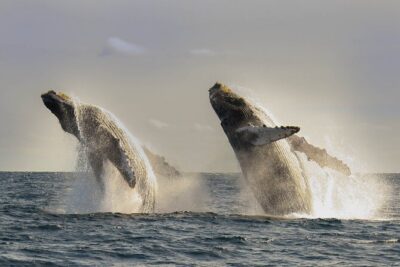
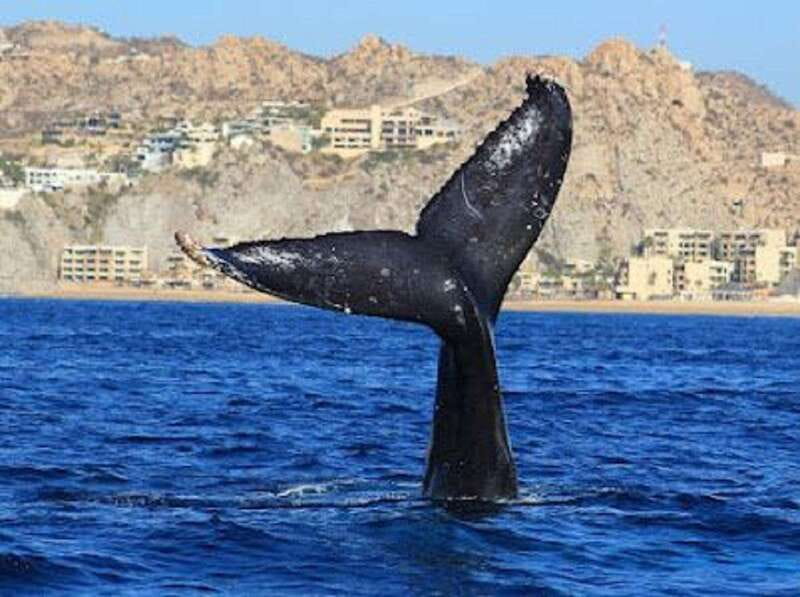
- Close, controlled sightings of breaches, tail flips, and gliding near the surface
- Bilingual experts who explain behavior, migration, and what each moment means
- Powerful blow sounds you can actually hear when whales surface for air
- Small craft and small groups for a more focused feel on the water
- Mother-and-calf moments are a real possibility, not a marketing promise
Humpback whales in Baja: why this tour feels magical
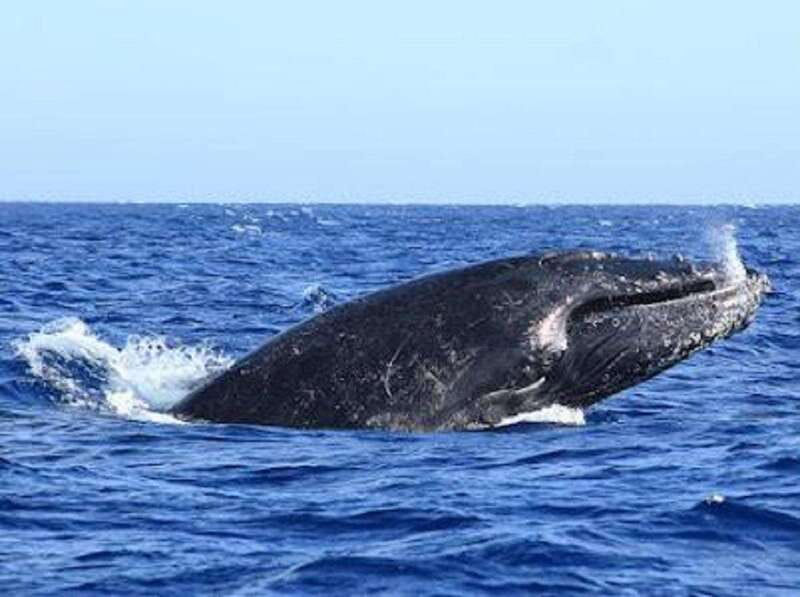
San José del Cabo is whale country in winter. From December to April, humpback whales come into Baja California Sur’s warmer waters, and this tour is built around maximizing sightings while keeping things calm for the animals.
What makes humpbacks so special is how much of their behavior is visible from the surface. You’re not just looking for a single spout; you’re watching patterns—where they travel, when they surface, and how they interact with each other. The best moments are usually quick: a sudden breach, a raised tail, or a glide that looks almost effortless.
Even the soundtrack adds to it. When a humpback exhales, the blow can be loud and unmistakable. That sound is often your cue that something is happening just beyond what you can see clearly at first.
You can also read our reviews of more whale watching tours in San Jose Del Cabo

Meeting at Open Water Expeditions and getting set for 2 hours on the water
Your trip starts at Open Water Expeditions in San José del Cabo. There’s no hotel pickup and drop-off, so you’ll want to plan your own way to the meeting point. If you’re staying somewhere spread out, give yourself extra buffer time rather than rushing.
Once you arrive, the best advice is to treat this like a short sea outing, not a casual stroll. Bring warm clothing—even in Baja, it can get chilly out on the water—plus sunscreen and a camera. Binoculars are also useful if you like tracking movement before the whales come close enough for details.
Because this is only a 2-hour tour, you also don’t want to be underprepared. You’ll feel it faster if you’re cold, distracted, or fumbling for gear when the action starts.
The San José del Cabo route: how the time works and what you’ll actually look for
The schedule is simple: you meet at Open Water Expeditions, head out with a guide, spend your time watching humpbacks, then return to the starting point. That simplicity is a plus. When your trip is short, you want the crew focused on finding whales and managing your viewing.
On the water, the crew’s job is twofold: spot whales and explain what you’re seeing. You’ll learn about migration and why humpbacks move into these waters, plus the behavior that comes with feeding and travel. The goal is to make your whale sightings feel connected, not random.
Here’s what to watch for during the viewing windows:
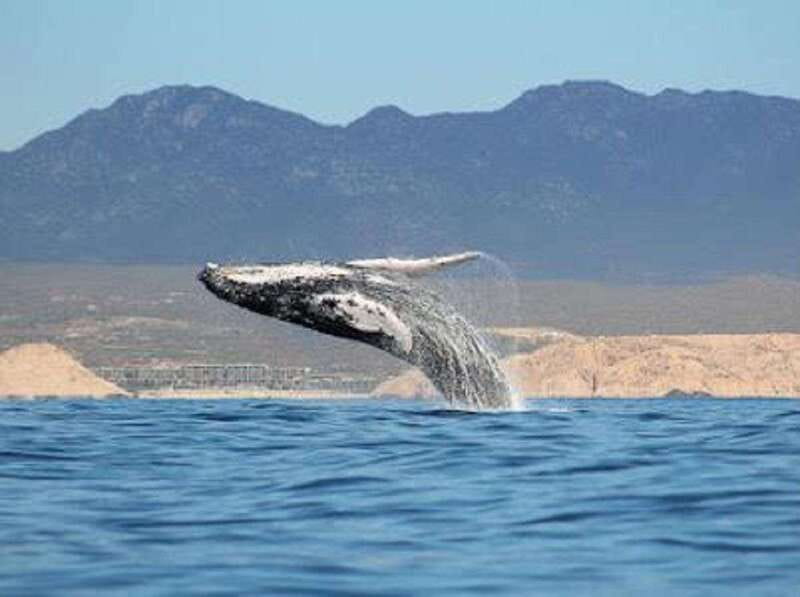
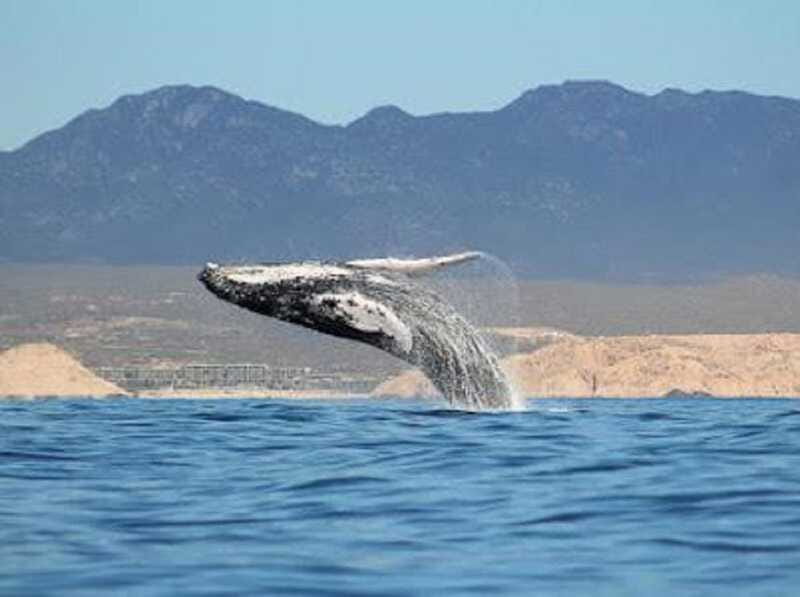
- Breaches: a whale launching upward, often catching everyone’s eye at once
- Tail raises: when you see that massive tail lift out of the water
- Gliding near the surface: that slow, almost graceful movement that’s easy to miss if you’re not watching consistently
- Blow timing: when you hear the blow, you can anticipate the next surfacing moment
- Mother-and-calf behavior: the tour is designed for sightings that can include teaching moments, where a mother helps a calf navigate
These are the kinds of moments that keep repeating across the season. And based on past experiences, humpbacks can be active—sometimes you’ll see several pairs, and sometimes one close group steals the show.
How the crew makes whale watching better without bothering the whales
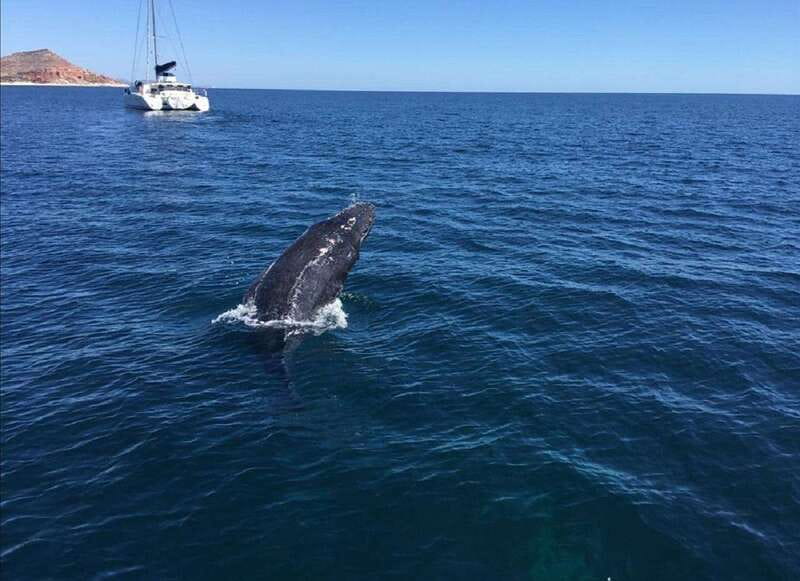
A good whale watch is measured by what it does not do. This one is designed to maximize sightings while maintaining a respectful distance, so you’re not witnessing distress—you’re witnessing normal behavior.
That matters because whales are sensitive to disruption. When boats crowd too close or hang around too aggressively, whales change their behavior. When the crew stays disciplined, you get better chances of seeing natural actions like surface breathing, calm travel, and those attention-getting displays like tail raises.
In practice, you’ll feel the difference in how the tour runs. The guide is looking for whales and timing your time on them, rather than treating every encounter like a crowd-control event. The result is a trip that feels both exciting and controlled.
Small-boat viewing, friendly crews, and what guides like Marina and Bernardo bring
There’s a real advantage to being on a comfortable boat with small groups. Fewer people usually means fewer lost sightlines. It also tends to make spotting whales easier, because you can actually focus your attention without constantly craning around strangers.
The crew also seems to be a big part of why people rate the experience so highly. Names that come up include Marina and Bernardo, plus captains like Jimmy on certain departures. The pattern is consistent: the guide explains whale behavior in a way that’s practical, not just scientific trivia.
That coaching helps you get more from each sighting. Instead of only thinking, there’s a whale, you start noticing things like the sequence of surfacing, the angle of movement, and how a whale’s position relates to what it’s doing.
And yes, the trip includes downtime comfort too. You get snacks and drinks, and some departures have a fun, casual feel—like the cold beer vibe described by previous guests. So you’re not just bundled up waiting; you’re getting supported between sightings.





Price and value: is $110 worth it for a 2-hour humpback trip?
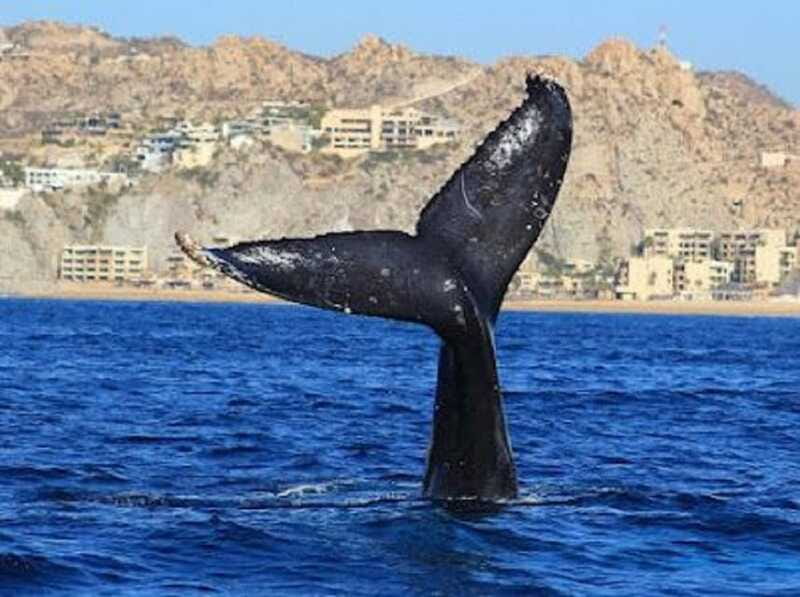
At $110 per person for a 2-hour tour, this is not a bargain-bin activity. It’s priced like a real guided wildlife outing, and you should judge it by what affects your odds of a good day.
Here’s what you’re paying for:
- A guide trained in whale behavior (not just someone who points)
- A dedicated boat tour focused on whale sightings
- Small-group viewing, which improves your ability to see and understand what’s happening
- Included snacks and drinks, so you’re not doing the day hungry
- A format that aims for sightings without pushing whales out of their normal routine
If you’re traveling in peak season (Dec–Apr), you’re also paying for timing. Whale watching is inherently weather- and location-dependent. Even so, a well-run operator can reduce wasted time by staying focused on spotting and maintaining viewing standards.
If you want the best value, treat this as a “do it right” whale day, not a half-planned add-on. Come prepared, show up rested, and keep expectations aligned with a short outing.
Who should book this and who should skip it
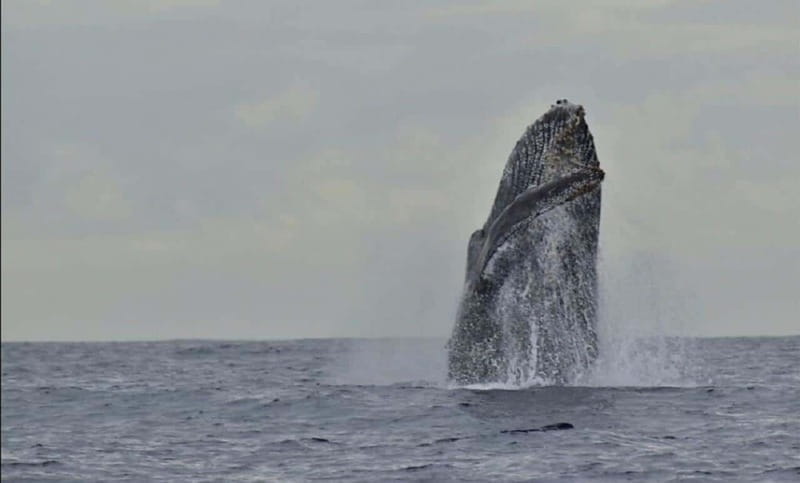
This tour makes sense for lots of people who want a memorable nature experience without a full day commitment. You’ll likely enjoy it most if you:
- Want humpback whale viewing during the season window (Dec–Apr)
- Enjoy learning on the water and want help spotting behavior like breaches and tail raises
- Prefer a small-group feel over crowded boat tours
- Have decent tolerance for a short boat ride
It is not suitable for:
- Pregnant women
- People with back problems
- People prone to seasickness
If any of those apply, don’t force it. The tour’s format and recommendations are pretty clear that comfort and safety come first.
Should you book the San José del Cabo whale watching experience?
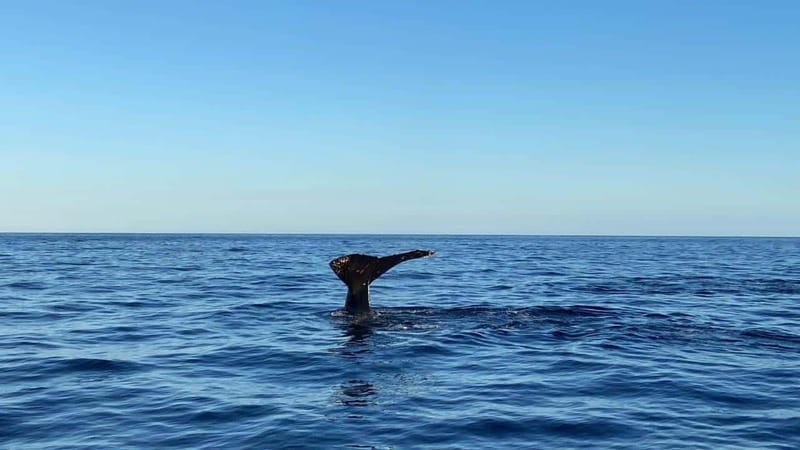
Book it if you want a short, guided outing where you focus on humpback behavior and come away with more than a blurry photo. I especially like the combination of expert interpretation (with bilingual guides) plus the chance to see active behaviors like breaches, tail raises, and loud blows from the surface.
You should also feel good about flexibility. The trip is offered with free cancellation up to 24 hours in advance for a full refund, and there’s a reserve now and pay later option, which is handy if your weather window is tight.
Skip it if you know you’ll struggle on boats. And if you’re easily cold, plan for wind and spray with warm clothing—don’t assume “Mexico” means you’ll be comfortable without layers.
FAQ
FAQ
How long is the whale watching tour in San José del Cabo?
The tour duration is 2 hours.
What months can I see humpback whales on this trip?
The whale watching season is December to April.
Where is the meeting point?
You meet at Open Water Expeditions.
Is hotel pickup and drop-off included?
No. Hotel pickup and drop-off are not included.
What languages are the guide and captain?
The tour offers live guidance in English and Spanish.
What should I bring for the boat tour?
Bring warm clothing, a camera, sunscreen, and binoculars.
Who should not take this whale watching experience?
It is not suitable for pregnant women, people with back problems, or people prone to seasickness.
What’s included in the ticket price?
The experience includes an expert guide on whale behavior, the boat tour, snacks, drinks, and a bilingual captain.