REVIEW · LOS CABOS
Los Cabos: Whale Watching Safari & Free time at Lovers Beach
Book on GetYourGuide →Operated by Fortuna Los Cabos · Bookable on GetYourGuide
Whales feel surprisingly close from a small panga. I love the real-time route that chases actual whale activity, and I also like that this trip builds in Lovers Beach free time after the ocean action. It is a quick, efficient way to see Baja’s winter stars without turning your day into a long, complicated ordeal.
The main thing to plan around: the whale-watching portion is about 45 minutes, so it is not a half-day sea cruise.
In This Review
- Key takeaways before you go
- Humpback whales in Los Cabos: the season that makes this trip work
- La Terminal de Cabo to the water: the short stops that set the mood
- Cabo coastline cruising: Balconcito to the Arch photo moment
- The whale-watching “hunt”: what you should actually watch for
- The eco-friendly approach: why it matters for animals and for you
- Lovers Beach: using your 2 hours well after the whales
- Photographer on board: how to think about the extra photo cost
- Price and logistics: why $58 can feel fair here
- Who should book this whale safari, and who might reconsider
- Practical tips from the ground: small choices that save time
- Should you book Los Cabos Whale Watching Safari with Lovers Beach time?
Key takeaways before you go
- Real-time route: you follow what whales are doing that day, not just a fixed script
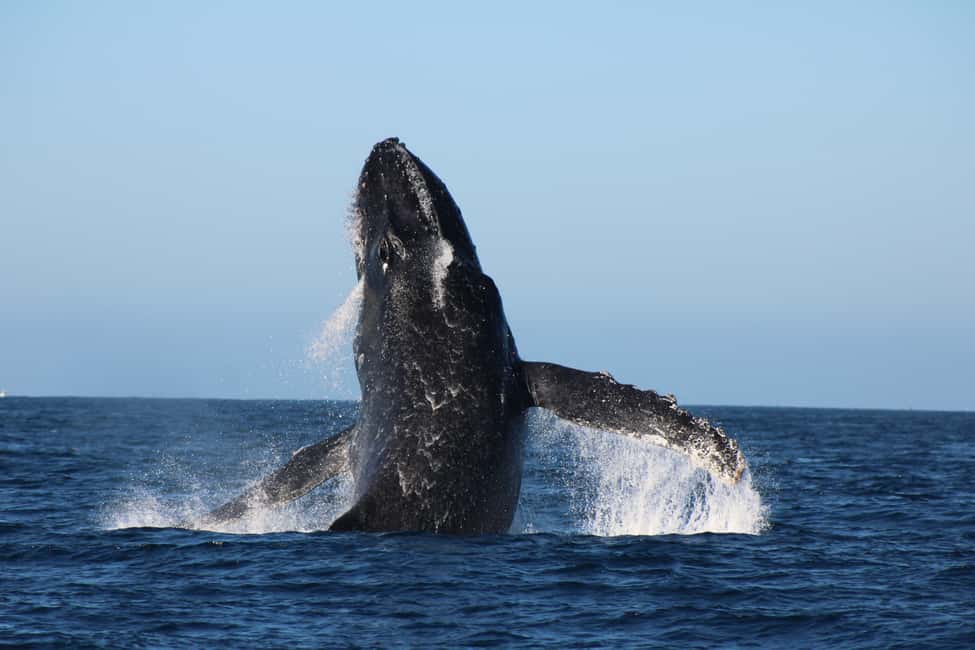
- Close humpback behavior: breaching, tail slaps, and calves with mothers are part of what to watch for
- Small boat feel: the panga setup helps you get better sightlines than big-ship crowds
- Guaranteed sightings backup: a second tour is included for free if you miss out
- Iconic Cabo coastline stops: quick viewpoints plus a photo break at the Arch of Cabo San Lucas
- Photographer included: you get onboard photos, but photo downloads usually cost extra
Humpback whales in Los Cabos: the season that makes this trip work
This outing is built around humpback whales that migrate to warm Baja waters from December to April. That timing matters. If you book outside those months, your odds shift from “great chance of humpbacks” to “maybe, maybe not.”
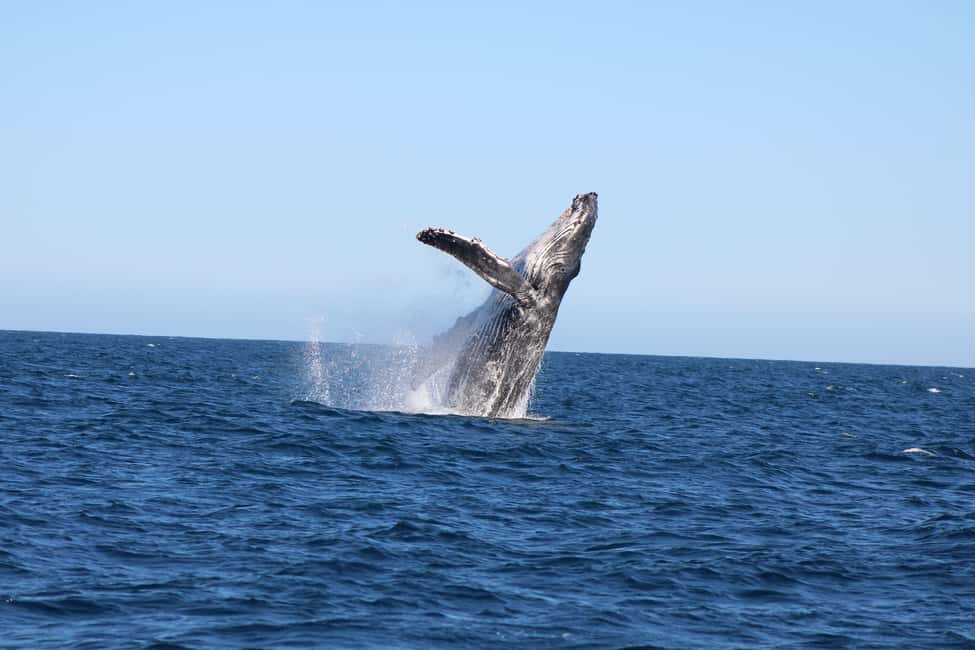
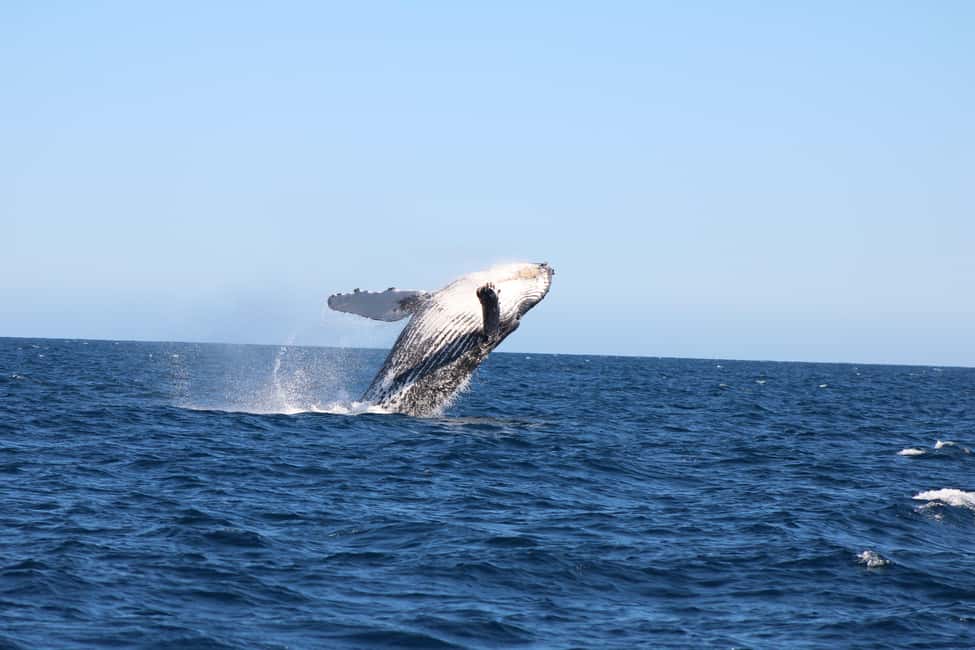
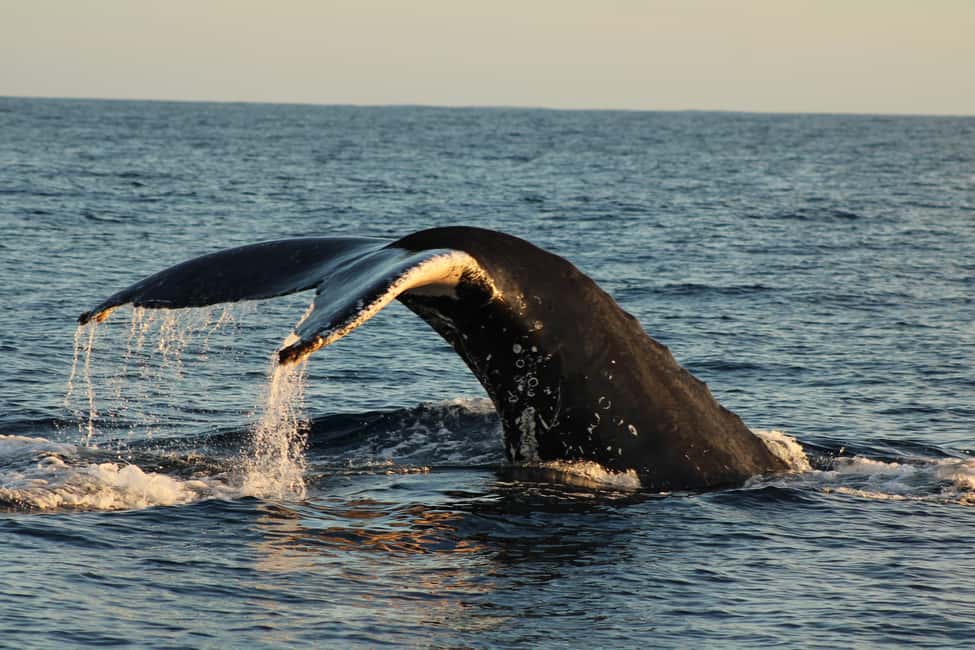
What I like about how this tour is framed is that it is not just about seeing a whale spout. The goal is behavior: whales breaching, tail slapping, and nursing moments with calves. Those are the scenes that make your photos look alive, not like distant dots on water.
Also keep your eyes open for other wildlife. The trip often includes dolphins, sea turtles, and seabirds. Even when humpbacks are quiet, the coastal Pacific can still deliver a fun mix of sightings.
You can also read our reviews of more tours and experiences in Los Cabos


La Terminal de Cabo to the water: the short stops that set the mood
Your day starts at La Terminal de Cabo, at the check-in area. From there, you hop onto a water taxi for about 10 minutes. This is one of those small details that makes the whole trip feel efficient: you are already on the right side of the harbor before you spend time hunting for buses or parking.
Then the tour makes quick guided stops:
- Balconcito Beach (about 5 minutes): think of this as a warm-up and orientation. You get your bearings and learn what to look for along the nearby coastline.
- Pelican Rock (about 5 minutes): a short viewpoint stop. You do not get long here, but it is the kind of place where seabirds can be active.
- Lovers Beach (about 5 minutes, guided): you get a taste of the area before you get your proper free time later.
Even though these are brief, they help you understand where you are. When you later see the Arch of Cabo San Lucas and then head into whale-watching waters, the geography feels less random.
One practical note from real-world experience: if you are arriving by car, parking can mean a short walk to the port area. It can be around 10 minutes. Build in a little buffer so check-in does not feel rushed.
Cabo coastline cruising: Balconcito to the Arch photo moment
After the quick guided coastline preview, you head toward a classic Cabo photo stop at the Arch of Cabo San Lucas. You get about 15 minutes for photos.
This is not a slow sightseeing tour. It is a focused route that gives you the must-see landmarks without stealing time from the main event. That is a good trade if your goal is whales first, not a long day of driving around.
The coastline route also includes a feel for Land’s End (the dramatic tip of Cabo) as you move along the iconic shoreline. You’ll notice how the coast shapes the water conditions and where wildlife tends to show up. You may not get a long lecture at each point, but you do get the context that makes the whale-watching area feel connected to what you saw earlier.
The whale-watching “hunt”: what you should actually watch for
Now for the star of the show. The viewing portion happens after another water taxi segment, then you reach a viewpoint for about 45 minutes of whale watching.
A big value point here is that the route is flexible and follows real-time whale activity. In plain terms, the guide is not just taking you to one generic spot and hoping for the best. You are moving with the day’s sightings.
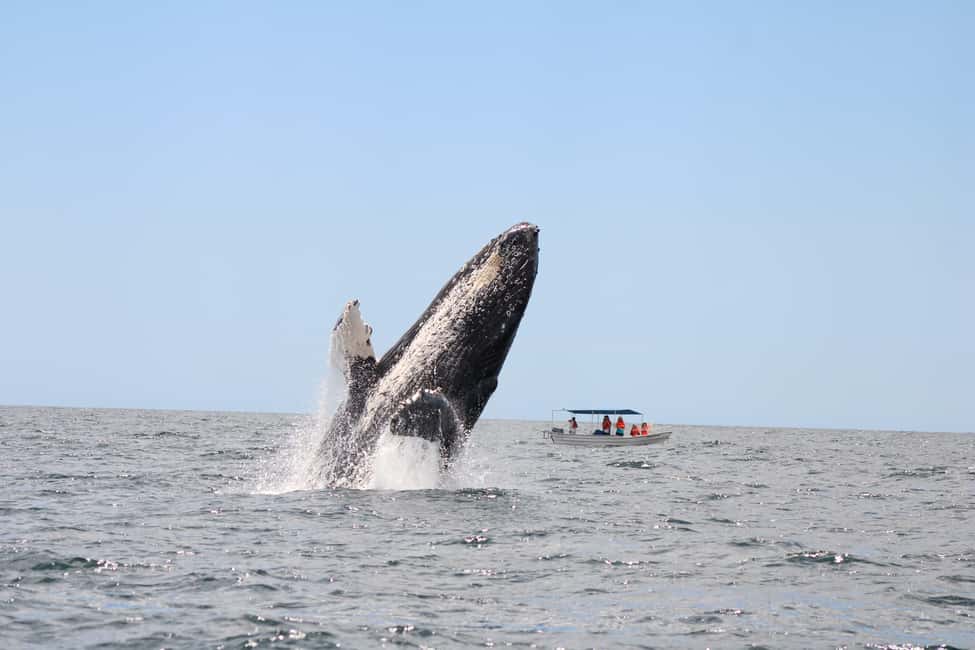
Onboard, you’ll be in a small vessel (a panga setup), which helps you spot animals without the distance problem you get on larger boats. When whales surface, the guide can point you toward the telltale signs. Look for:
- Spouts that give away where the whale has surfaced
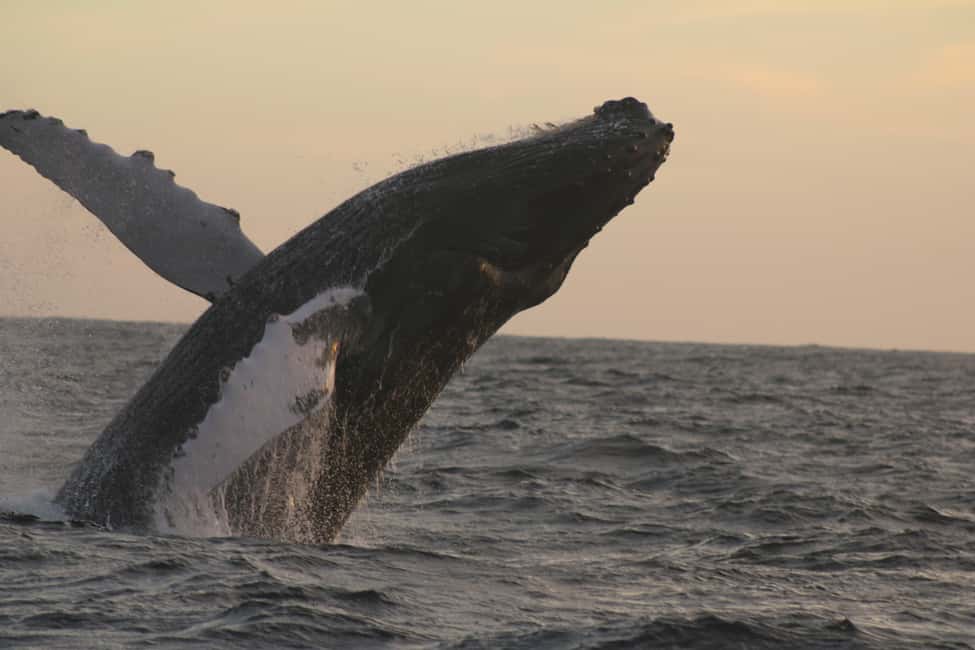
- Breaching, when they launch out of the water
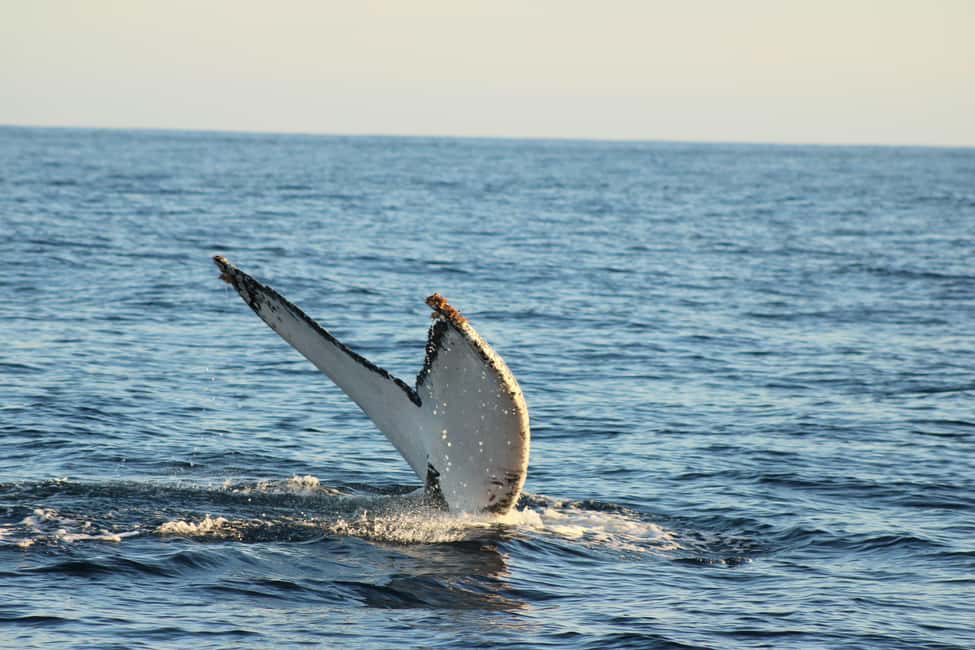
- Tail slaps, where the tail hits the surface with a loud-looking impact
- Calves with mothers, a standout moment if you’re lucky enough to see it
The tour also positions you for photography and observation. You’ll have opportunities to take pictures without constant rearranging. That matters, because whale sightings are fast and you do not want to waste time fighting for a spot.
The other big reassurance is the “backup plan.” This includes guaranteed sightings via a second tour for free if you do not get the whale experience you came for. That turns the trip from a hope-based activity into something you can book with more confidence.
The eco-friendly approach: why it matters for animals and for you
The experience is described as using an eco-friendly approach with a local guide. You may not get heavy technical talk on board, but the practical outcome is what you should care about: less disruption and more responsible watching.
That tends to improve your odds in two ways. First, it supports the chance of seeing whales because the operation is less aggressive. Second, it makes you feel like you are participating in a conservation-minded activity, not just treating wildlife like an amusement ride.
You can also read our reviews of more whale watching tours in Los Cabos
Lovers Beach: using your 2 hours well after the whales
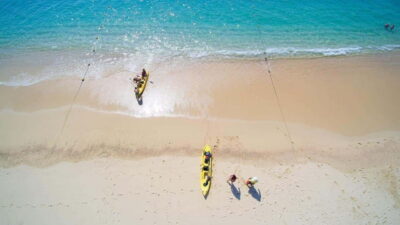
After whale watching, you return by water taxi for about 15 minutes and then get two hours of free time at Lovers Beach.
This is where the tour earns its keep as a value pick. You are not rushed directly back to the harbor. You get a proper beach break after you’ve worked your attention muscles watching the ocean.
Here is how I’d use the time:
- Sunscreen on before you relax. You will be out in Baja sun even if clouds show up.
- Bring water and snacks if you want them. You are explicitly free to bring your own drinks and food, so pack what you like.
- Plan for shade and wind. Even if you want to swim, take a minute to watch conditions. If you feel chilled, you’ll be glad you brought the recommended jacket.
This is also where you can take a calmer set of photos. Whale action is chaotic and fast. Beach time is slower, and you’ll get shots that look like vacation, not like wildlife documentary footage.
Photographer on board: how to think about the extra photo cost
This tour includes a professional photographer and says photos are part of the service in a practical way. The catch is clear: photos are not included in the base price.
What you should do is plan your decision in advance. If you love having a photographer catch whales and dolphins while you focus on watching, it can be worth paying afterward. One guest experienced a package around $40 for about 140 pictures. Pricing can vary, so treat that as a ballpark and confirm the options on the day.
My advice: if you buy photos, wait until you see what you got. The best whale shots often look the most impressive only after you zoom in. If the images you want are there, great. If not, you have still gotten the memories from being on the water.
Price and logistics: why $58 can feel fair here
At $58 per person for a 2-hour outing, this is not just “get on a boat and hope.” You get a bundle of items that usually cost extra on separate tours:
- Life jacket
- Bottled water
- Port fee tax
- Bilingual guide (English and Spanish)
- Professional photographer
- Free taxi to the beach
- Guaranteed sightings with a second tour for free
Even the rhythm of the day supports the price. You see major Cabo points, get a real whale-watching window, then get two hours at Lovers Beach. That mix is hard to beat if you want variety but do not want a long all-day itinerary.
The only “price caution” is the photos. You may end up paying for them later. If you are strictly budget-first and you dislike optional add-ons, go in knowing you will be paying for images only if you choose to.
Who should book this whale safari, and who might reconsider
This is a great fit if:
- You are traveling in winter, December through April, and want humpbacks on your schedule
- You like wildlife watching with a small-boat feel
- You want a guided experience that also includes a beach break afterward
- You care about having backup if sightings are slow (the free second tour helps)
I’d reconsider if:
- You want a long, slow ocean cruise. This is a short and focused trip with a 45-minute whale window.
- You get very seasick and hate boat time. The itinerary is designed for efficiency, but it still involves time on the water.
If you are the type who gets restless with short tours, set your expectations. This is an action-to-beach format, not a full-day expedition.
Practical tips from the ground: small choices that save time
A couple of details can make your day smoother.
First, the water taxi route can save your legs. One helpful hint: take the water taxi via the ship tender pier to the Breathless hotel pier, then walk back at a relaxed pace. It was described as worth paying extra for the shorter route, especially if you are arriving when walking distances feel longer than expected.
Second, don’t feed fish just for show. One person pointed out that handing out bread to attract marine life should not be encouraged. If you see anyone doing it, skip it. Let the ecosystem do its own work.
Third, pack for comfort. You’ll want sunglasses, sunscreen, a camera, and a jacket. Even in Cabo, the breeze can make you feel cooler once you’re out on the water.
Finally, bring cash. The tour data specifically recommends it, and it often helps for any beach purchases or photo add-ons.
Should you book Los Cabos Whale Watching Safari with Lovers Beach time?
If your goal is humpback whales plus a real beach break, I think this is a smart booking. The mix of flexible whale searching, a small panga-style experience, and the guaranteed-sightings backup makes it feel more reliable than many bargain whale tours.
Book it if you are in the humpback season and you want a day that actually fits into a travel schedule. Skip it if you want a longer whale cruise or you hate short boat windows. Either way, go prepared to watch closely. When humpbacks decide to perform, the best moments usually happen fast.