REVIEW · CABO SAN LUCAS
Los Cabos turtle release conservation program
Book on Viator →Operated by Rancho Carisuva · Bookable on Viator
One little race for the ocean. This Los Cabos turtle release program brings you to Rancho Carisuva and then Playa Migriño for a guided sea turtle release timed for survival. Baby turtles are the main event, and the education piece is built in.
What I like most is the mix of ranch time and real conservation work: you’re not just watching a show, you’re supporting a nest-protection effort that aims to raise survival rates. The second win for me is the guide-driven pacing, including a marine biologist talk before you head to the beach.
One thing to consider is that the release depends on baby turtles hatching and conditions that allow a safe release. When that timing doesn’t line up, the day’s plan can change.
In This Review
- Key things to know before you go
- Sea turtle conservation in Los Cabos: what this experience really gives you
- Price and timing: how the 4 hours can feel longer (and why)
- Rancho Carisuva (about 20 minutes): what you’re doing there
- Playa Migriño and the turtle release at sunset: the heart of the program
- What you’ll actually need to know before you arrive
- Group tour vs private option: what changes in your day
- Conservation context: why “nest protection” is the real story
- Cancellations and changes: the part of nature you can’t control
- Who this Los Cabos turtle release fits best
- Should you book the Los Cabos turtle release program?
- FAQ
- What is the location of the Los Cabos turtle release?
- How much does the tour cost?
- What time does the tour start?
- How long is the tour?
- Is hotel pickup included?
- What language is the tour offered in?
- How big are the groups?
- What is included in the price?
- What is not included?
- What cancellation options are available?
Key things to know before you go
- Turtle release happens at sunset so the team can manage risks like seabird attention
- Rancho Carisuva visit is short and focused (about 20 minutes) so you’re not rushed on the beach
- A marine biologist guides you on Playa Migriño with conservation context, not just facts-on-facts
- Small groups (max 20) make it easier to hear the talk and follow safety instructions
- Hotel pickup is included, but the exact pickup time may feel tight on your schedule
Sea turtle conservation in Los Cabos: what this experience really gives you
If you care about marine life, this tour hits in a direct way. You’ll be part of a turtle release tied to nest protection and egg care during the weeks when baby turtles develop underground. That means your time isn’t only about the moment you see tiny hatchlings; it’s also about supporting the behind-the-scenes work that makes the moment possible.
I also like how the experience stays grounded in what turtles actually need. The tour frames why the team works to raise survival rates, and why timing matters—especially around sunset. You’re learning the logic of the conservation, then you help carry it out on the sand.
Now, keep your expectations human-sized. Even with the best program, nature controls hatch timing. So the day you go is still a chance, not a guaranteed turtle parade.
You can also read our reviews of more tours and experiences in Cabo San Lucas.

Price and timing: how the 4 hours can feel longer (and why)

The listed price is $85 per person, and it can be worth it if you want a meaningful activity that’s tied to a living conservation project. You’re paying for transportation (air-conditioned vehicle), certified guidance, and the structured release experience on the beach. In many cases, you’re also buying access to that sunset window, which is harder to replicate on your own.
The duration is about 4 hours, but that doesn’t always mean 4 hours of turtle time. Plan for extra transport and waiting—because the release is timed. Some people find that most of the real action may be closer to about 90 minutes, with the rest being ride time and the lead-up before the beach moment.
A practical tip: don’t schedule anything critical right around pickup time. Reviews mention you may need extra buffer before the listed start time, and pickup windows can be tighter than you’d guess. If your day is packed, build in slack.
Rancho Carisuva (about 20 minutes): what you’re doing there
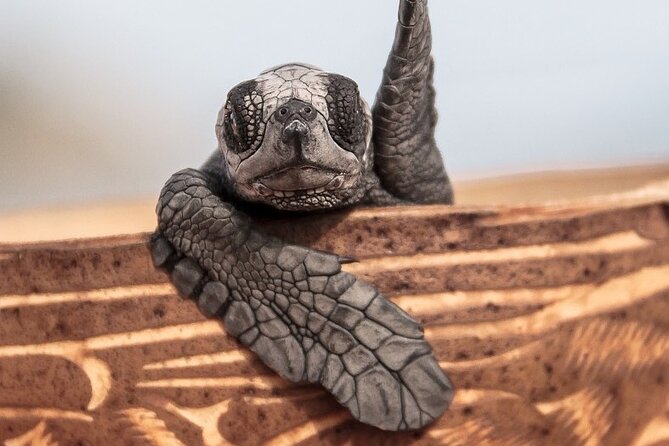
Your first stop is Rancho Carisuva, a ranch visit designed to introduce the conservation work before you go to the coast. You’ll see the ranch programs for donkeys and turtles, and you’ll likely get a quick orientation so the next part makes sense.
This stop is intentionally short (about 20 minutes). The value is that it gets you in the right frame of mind. Instead of being dropped straight onto the beach with no context, you get a ranch setting and a link to the broader animal-care program.
One small drawback: ranch access can feel remote, and the whole day’s timing leans toward road time. If you prefer zero driving and maximum activity time, this isn’t a quick, walk-out-the-door kind of excursion.
Playa Migriño and the turtle release at sunset: the heart of the program
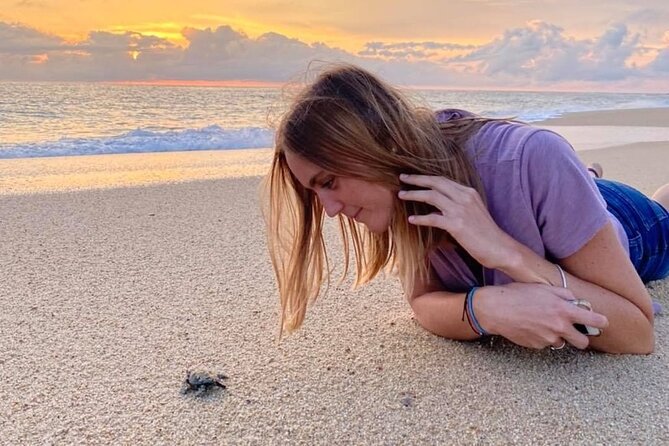
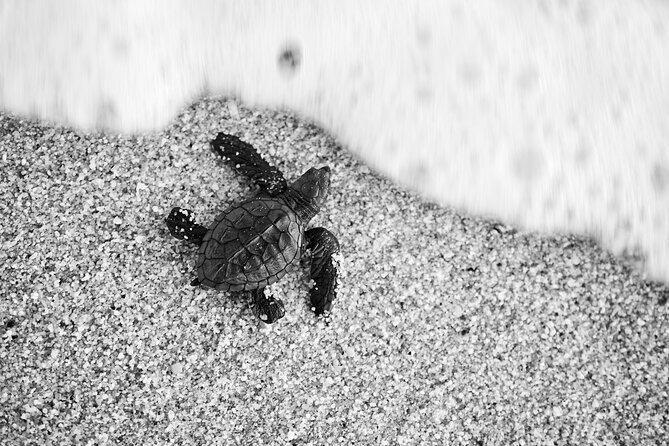
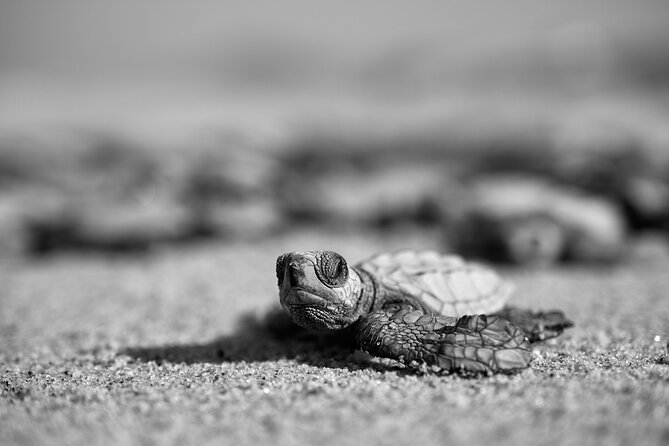
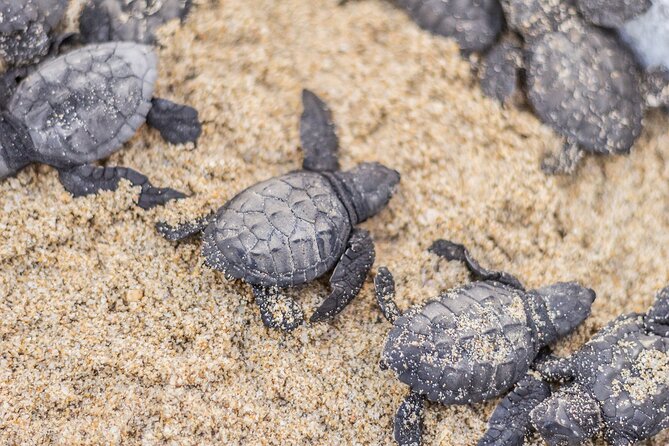
Playa Migriño is where you go from learning to doing. From July to September in Cabo, Olive Ridley and Black turtles come ashore to lay eggs deep in the sand. About 45 days later, baby turtles hatch—then the nest is protected so more hatchlings can reach the sea.
On the tour, you’ll be guided through that process by a marine biologist, including how the program works to raise survival chances. Then you participate in releasing baby turtles back into the ocean in a careful, nature-first way. A big theme here is safety for the turtles, and handling rules that keep hatchlings stress low. You’ll generally follow instructions rather than improvise.
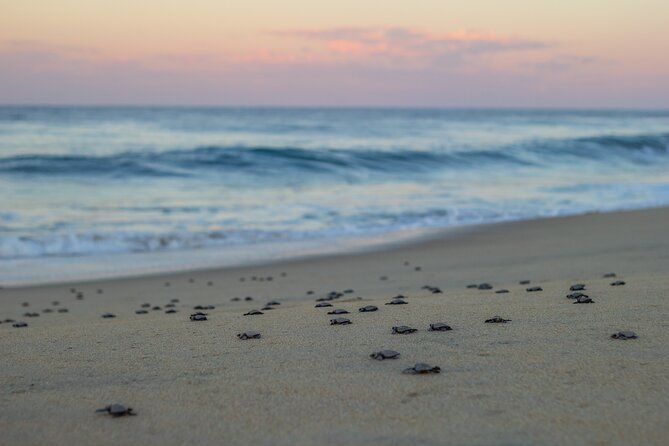
Timing matters for a reason. Multiple reviews mention waiting until sundown helps reduce seabird risk, since birds may try to eat hatchlings if released too early. Even with that planning, you may still see seabirds around during release—so expect a setting that feels alive and busy.
If you like “rooting” for a tiny target, this is the moment. You’re watching hatchlings move from the sand toward the water, and the closer the waves get, the more your brain starts tracking every inch. It’s not fast. It’s not dramatic like a movie. It’s something better: a real animal doing what animals do.
What you’ll actually need to know before you arrive
Here’s how to set yourself up so you don’t spend the day trying to catch up.
You’re picked up from your hotel lobby in Cabo San Lucas (the van waiting you is part of the deal), and you’ll ride in an air-conditioned vehicle. Bottled water is included, and there are bathrooms on-site. That matters because the release is timed and you don’t want bathroom stress right before the main event.
You should also plan for the food situation. The program does not list meals as included. One review notes that pizza and merch may be available to buy at the end, so if you think you’ll want something afterward, bring some cash and a little patience.
What about the turtle-related logistics?
- You’re part of a guided release, not a free-for-all
- You should follow staff directions about not touching hatchlings and keeping them safe
- There’s an education portion while waiting for the release window
One more note: the tour is offered in English, and the group size tops out at 20 travelers. That keeps the talk more audible and the release instructions easier to follow.





Group tour vs private option: what changes in your day
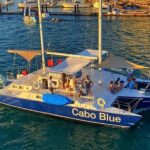
You can join the group tour, or you can upgrade to a private tour if you want more space and a different pacing. Private upgrades are popular when you’re traveling as a family, or when you want extra release time and less crowding around the release area.
Some reviews suggest the private option allows releasing more turtles per person and helps reduce the number of people watching close-up during the main moment. If your priority is maximizing your hands-on involvement (within safe rules), the upgrade can feel like better value than it first appears.
If you’re a solo traveler or a couple and you’re fine being in a small group, you can usually keep it simple with the standard tour.
Conservation context: why “nest protection” is the real story

The release is emotional, but the conservation work is practical. During the period before hatchlings emerge, nests and eggs are protected, with the goal of raising survival rates. That protection is what turns a fragile event into something that can happen repeatedly across seasons.
The biologist talk connects the dots: why Olive Ridley and Black turtles nest in Cabo seasonally, what the incubation timeline looks like, and why survival is the outcome the program tries to influence. Even if you already know about sea turtles in general, this framing helps you understand why the release doesn’t happen whenever you show up. It happens when the program is ready to protect the moment.
This is also where your $85 feels most meaningful. You’re supporting a chain of actions: nest care, egg protection, and a careful release process that reduces avoidable threats.
Cancellations and changes: the part of nature you can’t control
Here’s the honest part. The tour requires good weather, and the operator may reschedule or refund if conditions aren’t right. That’s normal for ocean-area activities.
But there’s another reality you should plan for: turtle hatch timing. Some cancellations in the real world have occurred when no baby turtles hatched on the scheduled day, even when the program was ready. In those cases, an alternative date may be offered, or the tour may be canceled. Communication quality can vary, so if this matters to you, keep your schedule flexible and your expectations calm.
If you’re going to Cabo and you really, really want the release itself, consider building in extra time so you have a second shot if the first date doesn’t line up with hatch timing.
Who this Los Cabos turtle release fits best
This is a strong pick for:
- Families who want a kid-friendly conservation experience and a clear “wow” moment
- Nature lovers who like learning how conservation works, not just spotting animals
- People who don’t mind a bit of driving for an event with a serious purpose
It may be less ideal if:
- You hate waiting around for sundown
- Your schedule is tight with no buffer
- You’re expecting a guaranteed release every time, no matter what
If you’re the type who enjoys calm, hands-on moments, you’ll probably love this.
Should you book the Los Cabos turtle release program?
I think it’s a book-worthy experience if your goal is conservation with a real-time outcome. The combination of ranch context, a marine biologist explanation, and the chance to support a protected nesting cycle makes this more than a bucket-list photo.
Book it if you can handle a timing window and you’re okay with the idea that hatch timing and conditions guide the final plan. Skip or downgrade your expectations if you need a guaranteed activity regardless of nature’s schedule.
FAQ
What is the location of the Los Cabos turtle release?
The tour starts at Rancho Carisuva at Playa Migriño, Libertad, 23473 Cabo San Lucas, B.C.S., Mexico.
How much does the tour cost?
The price is $85.00 per person.
What time does the tour start?
Start time is 4:30 pm.
How long is the tour?
Duration is approximately 4 hours.
Is hotel pickup included?
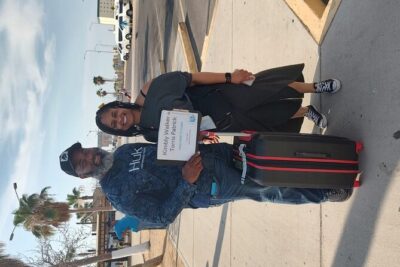
Yes. Pickup is offered, and the van waits at your hotel lobby.
What language is the tour offered in?
The tour is offered in English.
How big are the groups?
The tour has a maximum of 20 travelers.
What is included in the price?
Included: air-conditioned vehicle, bottled water, certified guides, bathrooms, and admission ticket at the ranch stop.
What is not included?
Not included: certificate of birth (turtle), merchandising, and a photo session.
What cancellation options are available?
You can cancel for a full refund up to 24 hours in advance of the experience start time, and the experience requires good weather. If it’s canceled due to poor weather, you’ll be offered a different date or a full refund.