REVIEW · SAN JOSE DEL CABO
Los Cabos Turtle Release Eco-Experience
Book on Viator →Operated by CalypsoTrip · Bookable on Viator
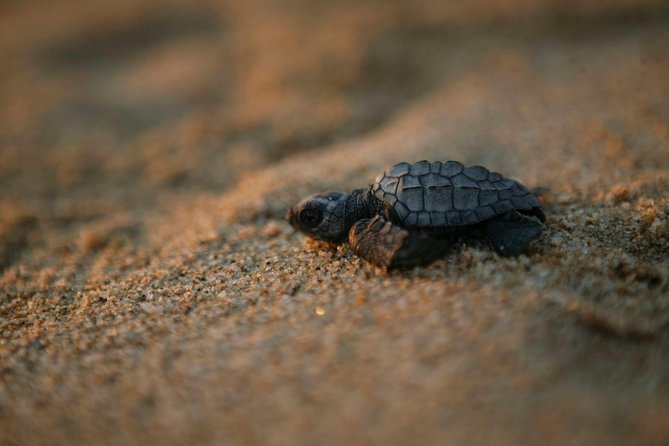
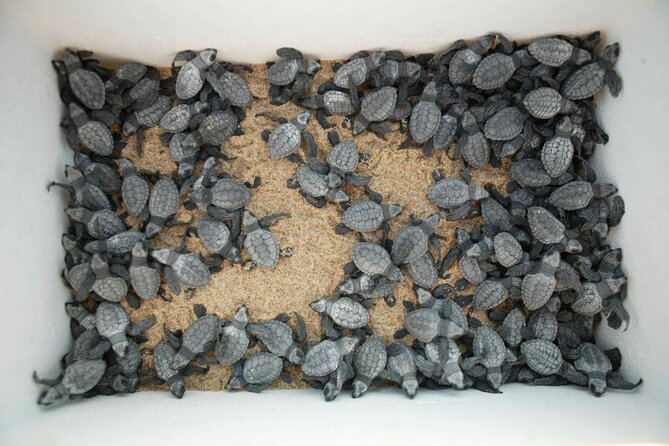
Baby turtles on a beach at sunset.
I like that this is equal parts hands-on release and real learning, with an environmental-focused guide who explains what you’re seeing. I also like the hotel pickup and drop-off, because it keeps the logistics simple and lets you spend your energy on the moment.
I love the small-group feel (up to 20 people) and the personal touch of getting an adoption certificate even though you’re helping more than one hatchling. Depending on the group size and how many turtles are available that day, you may release a lot of babies, not just the one on your certificate.
One thing to plan for: this is an outdoor beach activity, so weather and surf can affect the experience, and you should expect the natural chaos of seagulls and a crowd near resorts depending on where the release happens.
In This Review
- Key Things I’d Watch For Before You Go
- The 4:00 pm Turtle Release in San José del Cabo: What the Timing Really Means
- Hotel Pickup and Easy Returns: How the Day Stays Low-Stress
- Where You’ll Actually Release the Turtles: La Bocana or Costa Azul
- The Hands-On Moment: Holding and Getting Hatchlings to the Water
- The Conservation Education You’ll Get (and How to Get More Out of It)
- Crowds, Seagulls, and Beach Reality: What Might Surprise You
- How Much Time You’ll Spend There (and What to Do Beforehand)
- Price and Value: What $95 Buys You in Real Terms
- Who This Tour Fits Best (and Who Should Rethink It)
- The Conservation Impact Angle: Why This Feels Worth It
- Should You Book Los Cabos Turtle Release Eco-Experience?
- FAQ
- FAQ
- How long is the Los Cabos Turtle Release Eco-Experience?
- Where does the tour take place?
- Is hotel pickup included?
- What time does the tour start?
- What’s included in the price?
- Are meals included?
- What language is the tour offered in?
- What should you know about children?
- What happens if weather is poor?
Key Things I’d Watch For Before You Go
- Hotel pickup that matches your hotel lobby: you get a set pickup window tied to your location, then return to the same meeting area.
- Beach release happens right where you can see it: expect a short walk and quick instructions so you can get into position safely.
- You’ll likely help release dozens of hatchlings: your certificate covers one sea turtle, but the team may bring many more to release.
- Environmental commentary is part of the program: guides explain turtle biology and behavior during the release.
- Seagulls are part of the circle of life: the team often has a plan, but you’ll still want to be mentally ready.
- Turtles aren’t guaranteed on every day: the tour runs only if there are hatchlings available for release.
The 4:00 pm Turtle Release in San José del Cabo: What the Timing Really Means
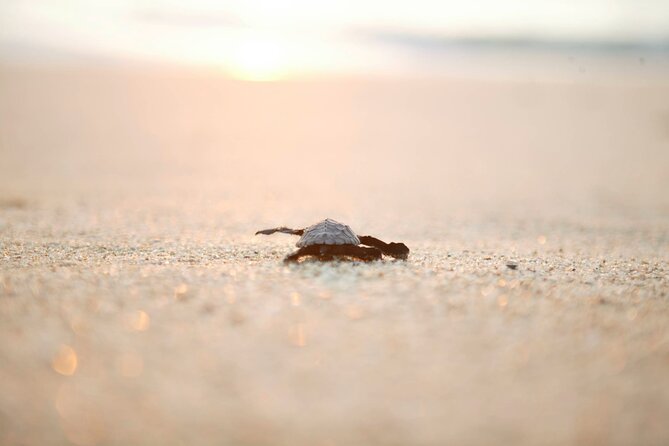
This tour starts at 4:00 pm, which is a smart choice. Late afternoon gives you cooler beach temperatures than mid-day, and it often makes the ocean release feel more dramatic and calm than the midday grind.
The trade-off is simple: you’re outside during the day’s last hours. If the light is fading and the weather turns, your guide and conservation team may adjust the pace to keep everything safe. That’s not a deal-breaker, but it does mean you’ll want to go in with a flexible attitude.
You can also read our reviews of more tours and experiences in San Jose del Cabo.



Hotel Pickup and Easy Returns: How the Day Stays Low-Stress
One of the best values here is time saved. If your hotel is in the pickup coverage area, the operator picks you up from the hotel lobby, assigns a pickup time based on where you’re staying, and then brings you back to the same meeting point at Paseo Malecon San José del Cabo.
That matters because Los Cabos traffic and beach logistics can eat time. By organizing pickup and drop-off, you avoid the hard part: finding parking, locating the conservation team, and guessing how long the beach walk will take.
If you’re the type who hates last-minute confusion, keep an eye on your message confirmation after booking. The transportation details arrive separately by message, and that’s usually where the specific timing gets locked in.
Where You’ll Actually Release the Turtles: La Bocana or Costa Azul
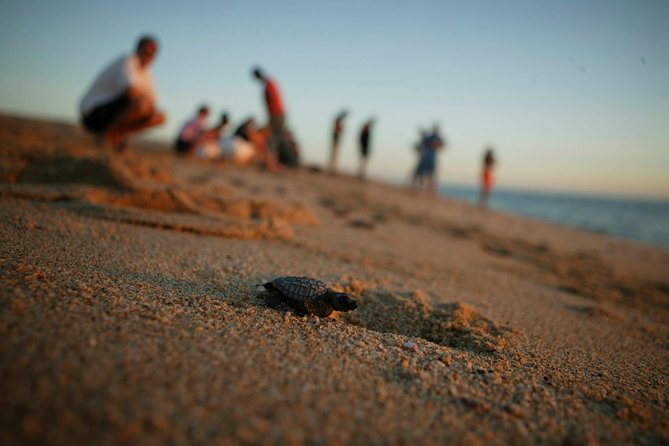
You won’t be stuck with one single beach location. The release takes place on San José del Cabo beaches, with the exact spot changing day-to-day. Based on the program notes, it may be around La Bocana or Costa Azul.
That flexibility is good for the operation. It helps the team choose the best conditions and turtle-handling setup. It also means you should expect slight differences in what you see: sand texture, how the surf feels at the moment, and how many people are nearby.
One practical tip: a guide can help manage where you stand so you’re not right on top of a busy resort crowd. In at least some cases, the conservation team walks the group down the beach before bringing the hatchlings closer, which keeps the release calmer and more focused.
The Hands-On Moment: Holding and Getting Hatchlings to the Water
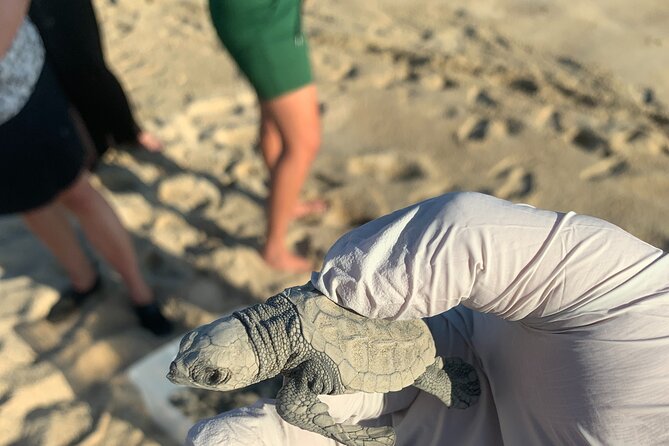
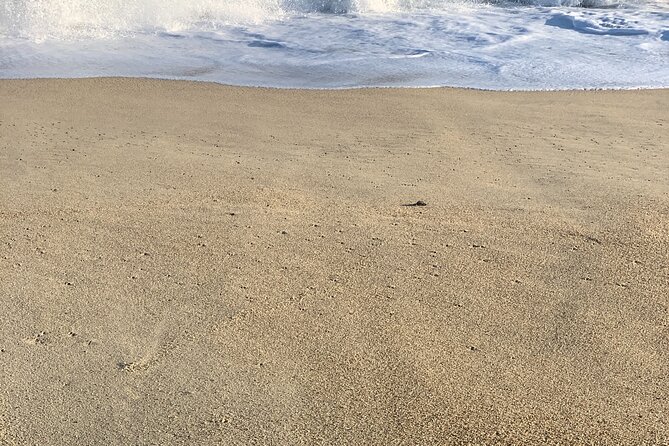
The heart of this experience is watching hatchlings make their first real swim. You’ll meet the conservation team, get clear instructions, and then take part in gently helping newborn turtles head toward the ocean.
People often describe two big parts of the moment:
- You physically assist the hatchlings (with guidance from the team and guide).
- You work as a group quickly and carefully, because you’re dealing with fragile newborns and a shifting beach environment.
In some releases, you may be asked to handle hatchlings in a specific way to prevent them from moving the wrong direction. One common detail from participants is using protective gloves when you help adjust them toward the water. The goal is simple: minimize stress and help them move forward naturally, without forcing anything.
You might also hear about protecting hatchlings from above. Several participants mention seagulls overhead and the need to be ready for that. The conservation team has its own methods, but your job is to follow instructions fast and keep your hands and body where you’re told.
Also, remember that the turtle count can vary a lot. Some groups release dozens, and some days are smaller. One couple noted a high number in their group, while others described fewer hatchlings. The consistent theme is that your real payoff is the process, not the exact headcount.
The Conservation Education You’ll Get (and How to Get More Out of It)
This tour includes environmental commentary from a professional guide, and that can make the release more than a photo moment. You’re not just watching baby turtles; you’re learning why these releases happen and what helps the survival odds.
From the names shared by participants, you may meet guides such as John Percy, Marcos, or Lino. People highlighted that the guides explain turtle biology and behavior, and they answer questions calmly during the activity.
One detail worth noting: the program includes the idea that eggs and nests are protected as part of the conservation work. In at least some runs, the group may visit an egg-protection area where eggs are moved into safer protected nests. If that’s part of your day, it gives you a fuller story: from eggs and hatching to the final step of getting hatchlings into the surf.
That said, be realistic. One person felt the tour’s education portion could have had more depth. If you want extra context, ask questions during the briefing. A small-group format is often the best time to get targeted answers instead of waiting for a generic lecture.






Crowds, Seagulls, and Beach Reality: What Might Surprise You
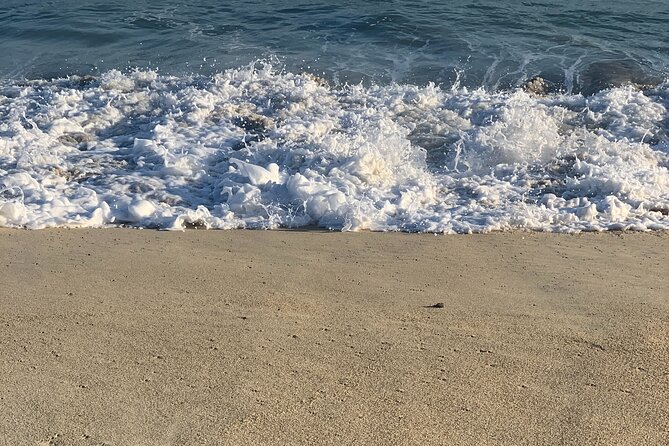
If you’re imagining a quiet, private beach, plan for the real world. In some locations near resorts, releasing turtles can attract a crowd quickly. One participant described lots of onlookers during their late afternoon release, even after the team tried to walk the group farther down the sand.
Seagulls are another common reality check. The natural urge to watch the hatchlings means birds may circle overhead. Participants mention a circle of life lesson, and some people note that a few hatchlings can be taken.
Here’s the practical way to handle that emotionally:
- You can’t control predation, weather, or the wild part of the equation.
- Your impact is still meaningful because the conservation team is improving chances and safety through careful work before release.
- Following rules matters. The faster you follow the guide and conservation team, the smoother the release tends to go.
If you’re sensitive to seeing a tough outcome, it helps to go in knowing conservation is not magic. It’s support, not guarantees.
How Much Time You’ll Spend There (and What to Do Beforehand)
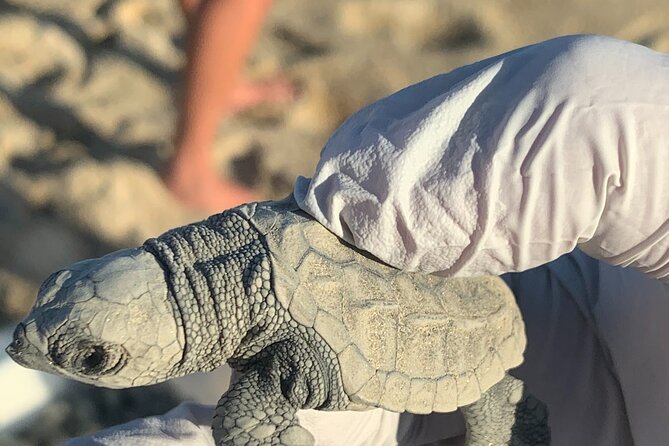
The total experience is listed at about 2 to 3 hours. Some participants report shorter on-the-beach time, like around 45 minutes, which fits with how these releases usually run: brief briefing, short walk, then the main release window.
That timing affects what you should do before you go. A late afternoon start is ideal for a lighter day. I’d eat a normal snack or meal earlier in the day since meals aren’t included. Then you can focus on water, sun, and movement without turning the experience into an energy crash.
Also, bring a mindset for quick action. You may need to bend, move along uneven sand, and wade in shallow surf to help release hatchlings. If mobility is limited, you might find that part challenging depending on the beach conditions on your day.
Price and Value: What $95 Buys You in Real Terms
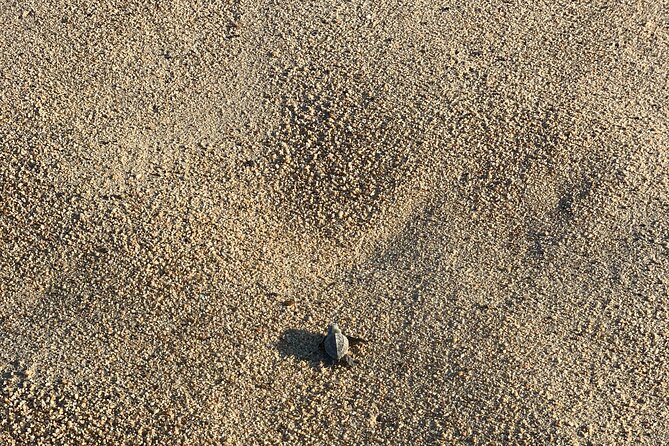
At $95 per person, this tour is priced in the sweet spot for “meaningful” nature activities in Cabo. You’re paying for more than a walk on the beach.
Here’s what your money covers:
- A professional guide and conservation-led instructions
- Hotel/port pickup and drop-off
- Bottled water
- An adoption certificate
The value gets even clearer when you connect the certificate to the bigger outcome. Your certificate is typically for one sea turtle, but release numbers can be much higher depending on group size and how many hatchlings are ready. In other words, your personal keepsake is tied to your participation, while the group contribution can be much larger.
It’s not a cheap “cute animal” activity. But it’s also not a luxury experience built around fancy extras. You’re paying for the conservation mission and the chance to help newly hatched turtles reach the ocean with proper guidance.
Who This Tour Fits Best (and Who Should Rethink It)
This is a strong match if you want:
- A nature-first activity that’s educational
- A short, focused outing instead of an all-day excursion
- A hands-on role in conservation, not just watching from far away
Families often like it too. A participant described their 4-year-old enjoying it, and another noted a 14-year-old loved the experience. Still, the program states that children must be accompanied by an adult, and the release itself requires following rules and moving along the beach safely.
You should also be prepared for physical demands that come with any beach release:
- sand texture and potential uneven ground
- wading in changing surf
- bending and moving quickly when instructed
If you have trouble with mobility, balance, or getting into and out of shallow water, check with the operator before booking. The listing says most people can participate, but beach conditions can vary.
The Conservation Impact Angle: Why This Feels Worth It
The most praised part of this experience is the combination of action and explanation. People highlight the “interactive, magical” feeling of holding and releasing hatchlings, but what keeps it grounded is the guide’s conservation focus.
Even when the release is short, you get a real sense of turtle life cycles: hatchlings, behavior, and why survival is hard in the wild. The chance to assist them right after hatching is the emotional payoff, but the conservation work behind the scenes is the lasting takeaway.
If you’ve been looking for a Cabo activity that doesn’t just entertain you but also supports something real, this is one of the few options that fits that bill.
Should You Book Los Cabos Turtle Release Eco-Experience?
You should book if:
- you want a meaningful, short afternoon activity in San José del Cabo
- you like nature experiences with a guide and rules (so the release stays safe)
- you’re excited by hands-on conservation, not just observation
You might skip or ask extra questions if:
- you’re not comfortable with beach conditions like uneven sand, surf, and quick movement
- you dislike any possibility of predation or tough outcomes (seagulls can be part of what you see)
- you expect a long classroom-style education segment, rather than a focused guide-led briefing and release
If you’re flexible with timing and weather and you’re ready to follow instructions, this is a strong “Cabo bucket list” choice.
FAQ
FAQ
How long is the Los Cabos Turtle Release Eco-Experience?
The experience is listed as about 2 to 3 hours.
Where does the tour take place?
It takes place on San José del Cabo beaches, and the exact beach can vary, including options such as La Bocana to Costa Azul beach.
Is hotel pickup included?
Yes. The tour offers hotel/port pickup and drop-off.
What time does the tour start?
The start time is 4:00 pm.
What’s included in the price?
Included items are a professional guide, hotel/port pickup and drop-off, bottled water, and an adoption certificate.
Are meals included?
No. Meals are not included in the tour price.
What language is the tour offered in?
The tour is offered in English.
What should you know about children?
Children must be accompanied by an adult.
What happens if weather is poor?
The tour depends on favorable weather. If it’s canceled due to poor weather, you’ll be offered an alternative date or a full refund.